
 Tennis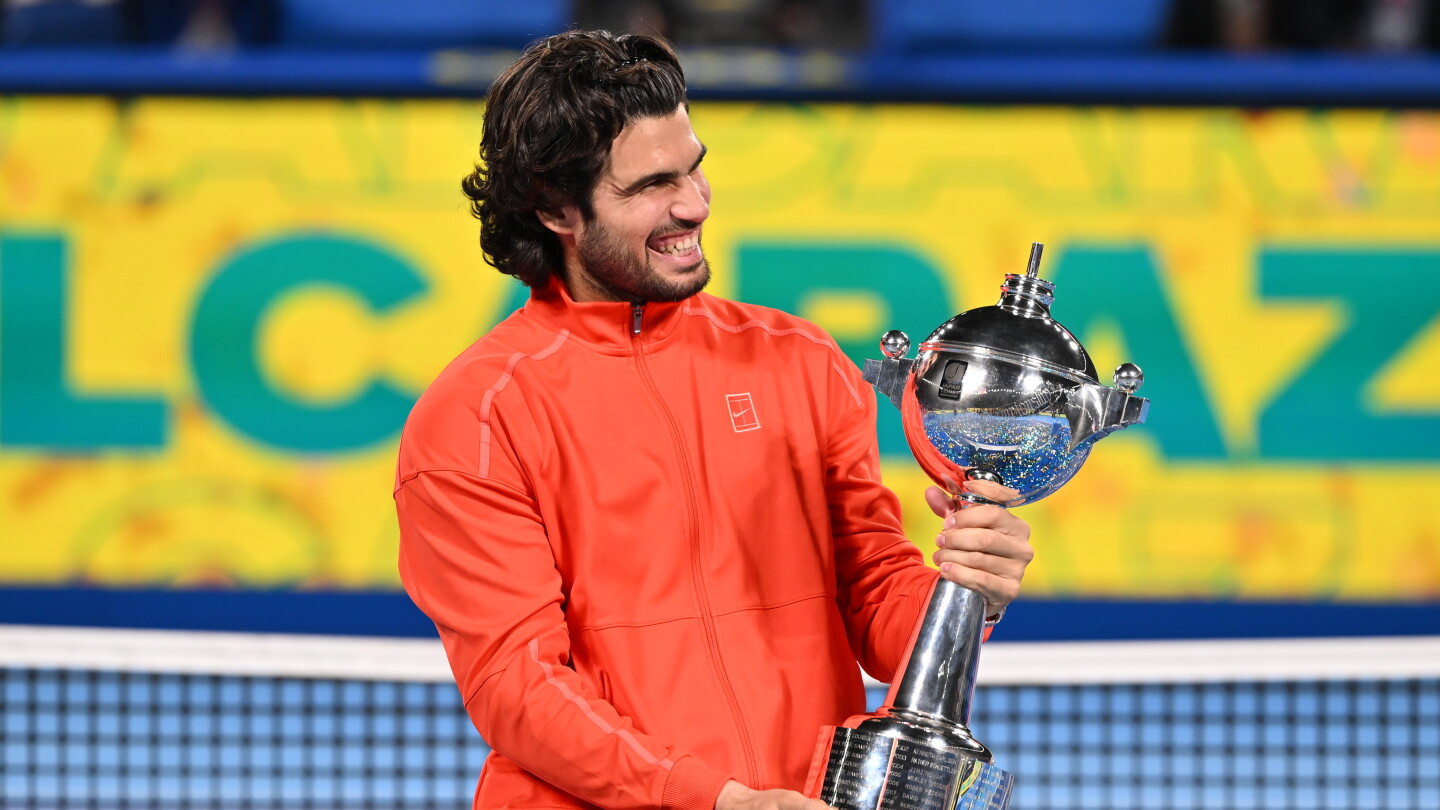
Tokyo got its answer fast. Carlos Alcaraz is not easing back into the tour. He is accelerating.
The Japan Open ended with Alcaraz holding the trophy again after beating Jiri Lehecka in the final, as reported by NBC Sports and Fox Sports. On paper, it is a title defense. In reality, it felt bigger than that. This was the first real signal flare after the injury layoff, the kind of week that shifts the mood around a player before the ATP calendar tightens and the margins get vicious.
The movement looked sharp. The timing looked clean. Most importantly, the competitive edge looked fully switched back on. Tennis players returning from injury often spend weeks searching for rhythm, protecting their body in long exchanges, testing confidence under pressure. Alcaraz skipped the cautious phase in Tokyo. He played like somebody tired of hearing the word recovery attached to his name.
That changes the equation immediately.
The ATP tour has spent months absorbing uncertainty around the top tier whenever injuries interrupt momentum. Alcaraz stepping back into a hard-court event and defending a title cuts through a lot of that fog. Tokyo is not a ceremonial stop on the calendar. It is a fast-court pressure test late in the season, where legs are heavy, players are carrying mileage, and concentration can crack for a set and never return.
Alcaraz stayed steady enough to repeat.
And repeat titles are different. Anybody can catch a hot week. Defending means every opponent arrives prepared for your patterns, your pace, your favorite routes in rallies. The target sits squarely on your back from the opening round. Alcaraz handled that weight while also carrying the questions that come with a comeback.
That is championship muscle memory.
Lehecka deserves his own mention here too. Reaching a final against Alcaraz on a hard court is not accidental traffic. The Czech continues to push deeper into the conversation on tour, particularly in these quick conditions where first-strike tennis carries real value. But Alcaraz absorbed the pressure moments and controlled the bigger exchanges when the match tightened. The difference sat in the transitions. Defense to offense in two shots. Neutral rallies suddenly turning into full sprint emergencies for the opponent. That is the Alcaraz effect when the body is cooperating.
The tone around him shifts now.
A week ago, the focus centered on health and return timelines. After Tokyo, the conversation swings back toward trophies and positioning. Elite tennis moves fast like that. One title can reestablish fear across the locker room. Players watch the draw differently when Alcaraz looks physically free.
And the timing is brutal for everyone else.
Late-season tennis rewards players who can summon explosiveness without draining themselves physically. Alcaraz at full throttle changes the geometry of a tournament because his ceiling is still one of the most violent shot-making combinations in the sport. Short angles. Sudden net pressure. Baseline defense that somehow becomes offense before opponents can reset their feet. Tokyo looked like a reminder that the variety remains intact after the layoff.
NBC Sports framed the win as a major step following the injury absence, and that tracks completely. Not because one ATP 500 title solves every long-term durability question, but because title runs expose weaknesses quickly. A compromised player usually gets stretched by the accumulated matches. Alcaraz instead finished the week with the trophy again.
That lands hard across the tour.
Fox Sports highlighted the simple headline point: Alcaraz retained the Japan Open title. Clean. Efficient. But underneath that headline sits a larger reality for men’s tennis entering the final stretch of the season. The top contenders are fighting two opponents at once now: each other and the calendar. Recovery windows shrink. Court speed matters more. Confidence swings become magnified because there is less runway left to correct them.
Alcaraz just grabbed momentum at exactly the right time.
The visual mattered almost as much as the result. Champions returning from layoffs often carry visible hesitation in lateral movement or shot selection. Tokyo did not look tentative. It looked aggressive. The kind of aggressive that forces opponents into reactive tennis instead of proactive tennis. That distinction decides titles at this level.
One clean week does not erase the physical demands waiting ahead. Tennis history is packed with comeback runs that looked smooth until the schedule bit back. But this performance gave Alcaraz something every elite player hunts after injury: proof. Proof the level is still there under match pressure. Proof the body can survive tournament intensity. Proof the instincts still arrive on instinct instead of thought.
That is dangerous territory for the rest of the field.
Looking Ahead: The hard-court swing now carries a very different pulse with Alcaraz back in rhythm and holding silverware again. Opponents no longer get the uncertainty version. They get the defending champion version. In October, that is a nasty draw waiting to happen.