
 College Basketball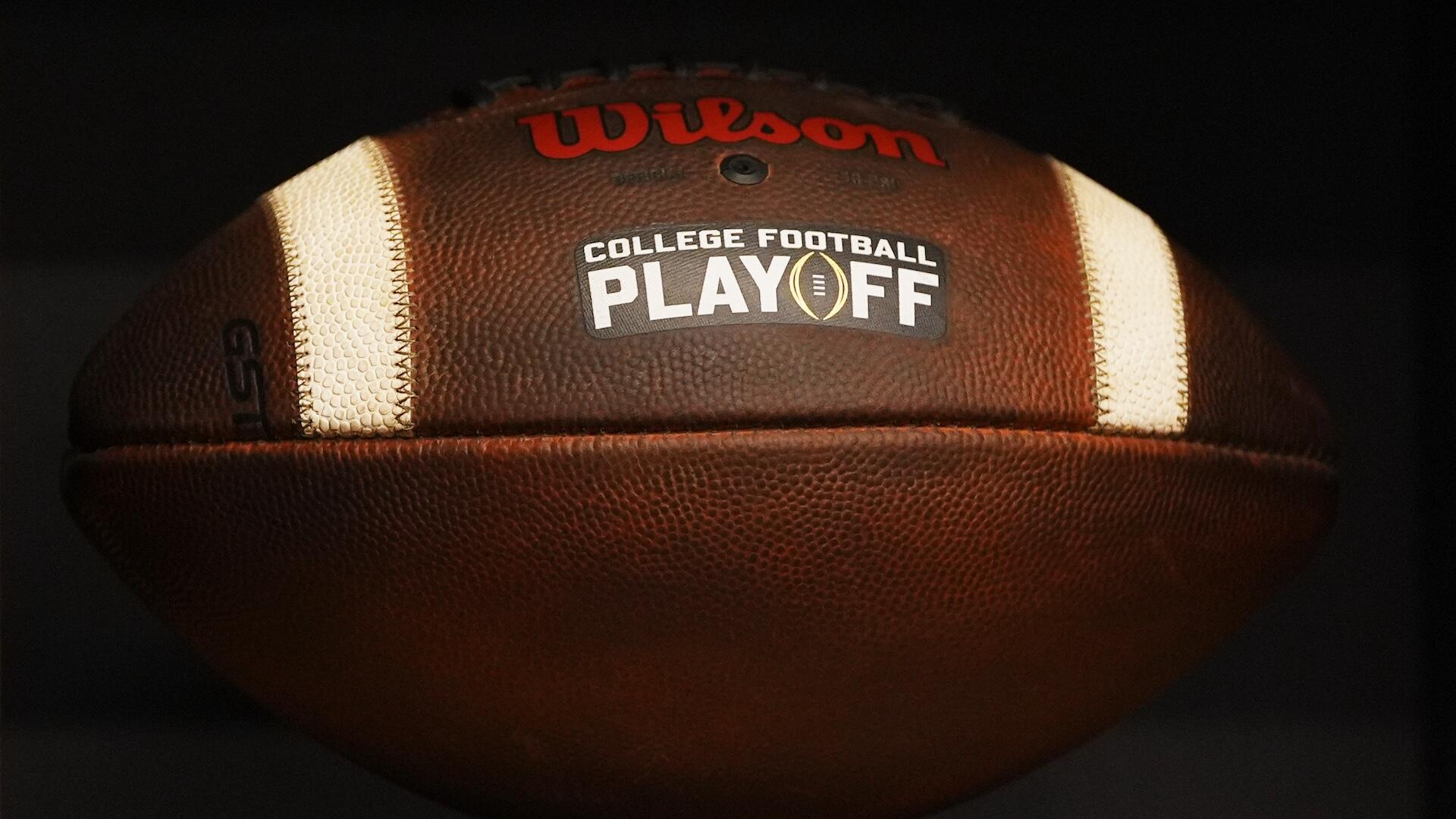
The arms race never really slowed down. It just changed uniforms.
CBS Sports dropped the kind of report that makes compliance offices light up like a war room on Selection Sunday: between five and 10 Power Four programs are facing investigation from the College Sports Commission over alleged NIL cap evasion tied to third-party arrangements. The report centered on football powers, including College Football Playoff contenders, but nobody around college athletics is pretending this stops at the hash marks. Men’s basketball programs live in the same ecosystem now. Same donor circles. Same collective pressure. Same chase for roster control before the portal opens and closes like a casino door at 3 a.m.
This is where college sports sits in 2026. The money is not hidden anymore. The fight is over where it flows, who controls it, and how aggressively schools push the edge before someone throws a flag.
And make no mistake, the timing matters.
Programs across the country are already building next season’s basketball rosters while football races toward the playoff. Coaches know every Final Four contender now needs elite retention as much as elite recruiting. One starter leaving for a richer NIL setup can flip an entire conference race. That pressure has turned collectives and outside business arrangements into the real backcourt action behind the scenes.
CBS Sports reported the investigations involve alleged efforts to skirt spending limits through third-party structures. That language lands hard because the entire post-NIL era has operated in gray space. Schools publicly preach compliance while boosters hunt for every legal inch available. The result? A recruiting environment where nobody wants to be the only program following the speed limit.
College basketball has already felt the shift. Veteran rosters cost more. Mid-major breakout players rarely stay put without serious financial backing. Bluebloods reload faster than ever because continuity now comes with a price tag attached. Coaches spend as much time managing roster economics as they do scouting pick-and-roll coverages.
The old recruiting pitch used to be minutes, development, banners.
Now it includes accountants.
That is why this story carries weight far beyond football headlines. If enforcement gains real traction, every athletic department has to recalibrate. Not publicly. Publicly, everybody says the right things. Quietly? Athletic directors are trying to figure out where the line actually sits and whether anybody truly plans to enforce it consistently.
The biggest danger for the NCAA ecosystem is not even the investigation itself. It is uncertainty. Schools can navigate strict rules if the rules are clear. What they struggle with is selective enforcement, shifting guidance, and public suspicion that some programs operate with wider lanes than others. College basketball has spent decades surviving on whispers, shoe-company rumors, and booster intrigue. NIL was supposed to bring sunlight. Instead, it created a newer, richer version of the same tension.
The pressure now shifts to the College Sports Commission. If these investigations produce meaningful penalties or public findings, the entire market reacts. If they fade into procedural fog, expect spending aggression to ramp even harder before next offseason. Nobody in a power conference wants to lose ground because a rival interpreted the rules more creatively.
That edge-chasing mentality is already baked into the sport.
Every March, analysts praise “experienced rosters” and “older guards.” Those players are expensive now. Keeping a proven scorer or rim protector can cost more than landing a celebrated freshman class. Coaches know it. Agents know it. Donors definitely know it.
The irony is impossible to miss. College athletics fought for years against open player compensation, warning it would damage competitive balance. Instead, the current landscape has created a professional-style marketplace without fully professional-style guardrails. That leaves schools balancing ambition against exposure in real time.
And nobody wants to be the test case.
For basketball specifically, the stakes feel especially sharp entering another season where roster continuity could define the national title picture. Veteran-heavy teams have dominated deep tournament runs recently because experience still wins when possessions tighten in late March. But retaining those veterans requires financial coordination that would have sounded impossible a decade ago.
Now the conversation is no longer whether money shapes recruiting.
It is whether the sport can regulate the chase without tripping over itself.
Looking Ahead: Expect more pressure on the College Sports Commission to clarify enforcement standards as the investigations develop. Coaches across football and basketball will keep working the portal, managing donors, and selling stability while everyone waits to see whether this becomes a turning point or just another headline in the modern NIL sprint. No noise. Just signal.