
 Boxing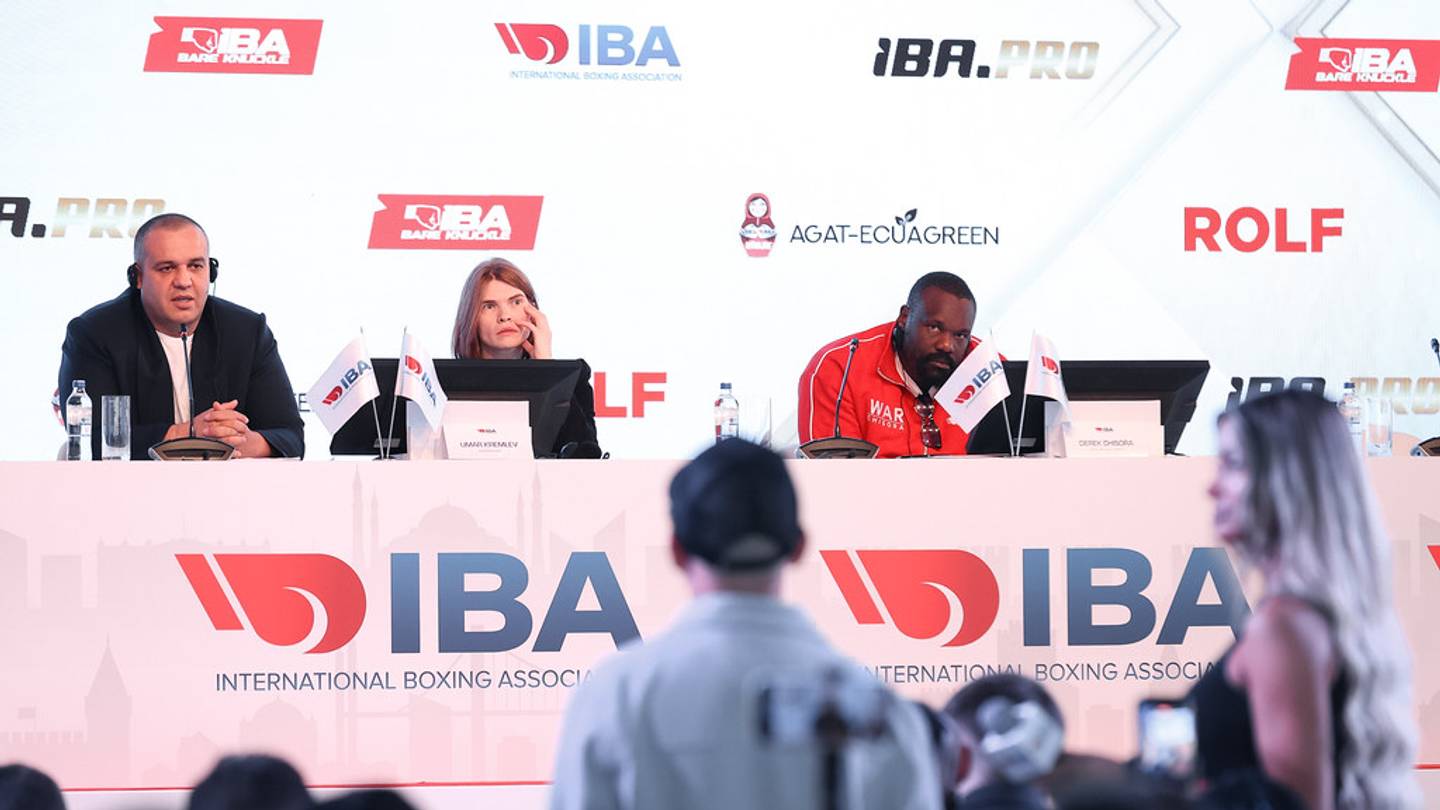
The fight game never stays still for long. One minute the conversation sits in sanctioning politics and title paths. The next, somebody throws the doors open and aims straight at the edge of the sport. This week, Sports Illustrated reported that the International Boxing Association plans to expand into bare-knuckle competition with the launch of a new platform. That is not a side quest. That is a direct swing into one of combat sports’ fastest-grabbing lanes.
The timing says plenty. Boxing has spent years fighting for oxygen in a crowded combat market where spectacle moves faster than tradition. Bare-knuckle events have carved out attention by stripping everything down to impact, damage and nerve. No extra wrapping paper. No long walk to nowhere. The IBA stepping into that territory feels like a governing body acknowledging where modern fight audiences drift when the lights get bright and the clips start flying online.
And make no mistake, this is a risk-heavy move.
Bare-knuckle is not just boxing with less equipment. The pacing changes. The psychology changes. Fighters approach exchanges differently because one clean shot can split skin, break rhythm and change a night in seconds. The IBA entering that space creates immediate questions about identity, regulation and fighter pathways. Is this an extension of boxing culture or a neighboring business with boxing DNA? Right now, those details are still emerging, but the intent is loud enough already.
Combat sports have always lived in the tension between legitimacy and appetite. Fans want skill. They also want danger they can feel through the screen. The IBA appears ready to test how far it can stretch toward the second category without losing the first. Sports Illustrated framed the move as an expansion effort tied to launching a competition structure around bare-knuckle fighting. Even without full competitive details available yet, the message lands clean: the organization sees opportunity where the sport gets raw.
That changes the conversation around boxing’s future lanes.
Traditional boxing still owns the deepest history, the richest archive and the cleanest route to global sporting legitimacy. But attention spans are shorter now. Fight fans bounce between disciplines quickly. One weekend can move from championship boxing to MMA to influencer cards to bare-knuckle scraps without blinking. Organizations know that. The IBA clearly knows that. Expansion today is not just about geography or sanctioning. It is about occupying more corners of the fight map before somebody else plants a flag there first.
The move also puts pressure on how combat sports define professionalism going forward. Bare-knuckle competition carries a built-in aura of outlaw energy even as promotions try to professionalize presentation and structure. If the IBA brings institutional branding into that world, it could shift public perception of the format. It could also sharpen criticism from purists who already believe boxing loses itself whenever spectacle outruns craft.
That tension is where this story lives.
For fighters, the implications could become significant depending on how the competition develops. New platforms create new paydays, new routes to visibility and new decisions about career identity. Some athletes chase belts. Others chase momentum, attention and opportunities that arrive faster outside traditional systems. Bare-knuckle has often marketed itself as direct and unforgiving, and that style appeals to a certain kind of fighter mentality. The IBA stepping in potentially widens that funnel.
Still, expansion announcements always sound cleanest before punches start flying. The operational side matters. Rules matter. Medical oversight matters. Fighter recruitment matters. Combat sports history is filled with launches that looked explosive on paper and faded once logistics hit the ropes. The IBA now carries the burden of proving this is more than a headline-grabbing pivot.
One thing is undeniable, though. The center of gravity in fight sports keeps shifting toward intensity-first viewing experiences. Promotions no longer compete only on rankings or championships. They compete on immediacy. On visual damage. On moments that travel in ten-second clips before the sweat even dries in the ring.
The IBA saw that traffic moving and decided not to stay parked.
Looking Ahead: More details on the IBA’s bare-knuckle structure, fighter involvement and rollout timeline will shape how seriously this venture lands inside the wider boxing world. Right now, the announcement feels like the opening bell on a much bigger gamble. In this business, every new lane eventually turns into a fistfight for relevance.