
 F1
F1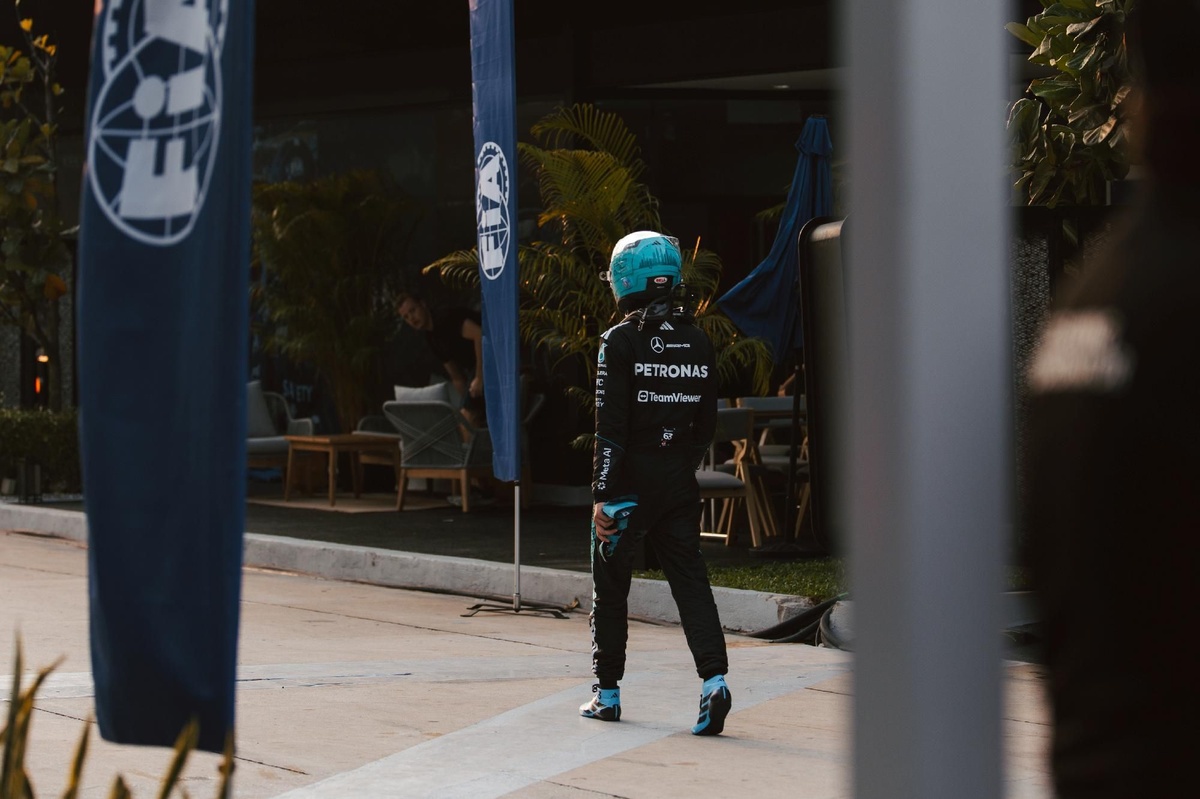
Formula 1 loves a clean excuse. Bad timing. Safety cars. Strategy misses. One mechanical failure at the wrong corner and suddenly an entire season gets filed under “unlucky.” George Russell is not buying that version of his own year. Motorsport.com detailed the latest hit for the Mercedes AMG Petronas F1 Team driver after a mechanical failure wiped out what looked set to become a podium at the relocated Bahrain Grand Prix. Painful? Absolutely. But Russell’s bigger point cut deeper than a lost result. He refused to hide behind luck while sitting in a massive deficit to Antonelli.
That changes the conversation around Mercedes immediately. A driver blaming fate sounds frustrated. A driver rejecting excuses sounds alarmed. Russell knows the championship table does not care how clean the pace looked before reliability stepped in. Sundays either cash the points or they do not. Right now, too many Mercedes weekends are ending with explanations instead of trophies.
And inside Formula 1, perception moves nearly as fast as the cars.
Antonelli has become the measuring stick in the same garage. That is the part that stings. In F1, teammates are mirrors with telemetry attached. Every sector comparison sits there in cold detail. Every missed opportunity gets amplified when the car across the garage keeps stacking cleaner weekends. Russell acknowledging the gap instead of dressing it up with “what if” language feels less like damage control and more like a driver trying to reset the tone before the season gets completely away from him.
The Bahrain setback only sharpened the edge around Mercedes. Mechanical failures always hit harder when the finish line is visible. A guaranteed podium disappearing into smoke and frustration can swing momentum for weeks in a sport this tight. The front-running teams are too ruthless to hand points back later. One DNF becomes two races of pressure. Two races become a narrative.
And narratives in Formula 1 are brutal.
Russell’s comments also land at an awkward moment for Mercedes itself. The team has spent years operating with title expectations baked into every race weekend. Even during difficult stretches, Mercedes rarely looked emotionally rattled. This season carries a different energy. There is tension in the results, tension in the reliability, and now a widening internal comparison that nobody inside the garage can ignore.
A paddock can smell uncertainty instantly.
What makes Russell’s stance compelling is that he did not dodge accountability. Drivers often protect themselves publicly when seasons drift sideways. That is standard F1 survival instinct. Russell instead leaned into the uncomfortable reality that pace flashes and hard-luck stories are not enough when another driver in the same machinery is creating separation. That kind of honesty can steady a team, but it also raises the pressure dial. Once excuses are removed, only answers remain.
Mercedes now enters the next phase of the season carrying two parallel fights. One is external — clawing back ground against the front of the grid. The other sits inside the garage, where Antonelli’s advantage over Russell keeps becoming harder to explain away as random variance or isolated incidents. Formula 1 history is filled with pairings that started cooperative and evolved into full internal stress tests once the points gap widened. Mercedes will want to stop that slide before every qualifying session turns into a referendum.
There is still enough season left for momentum swings. Formula 1 changes quickly when upgrades land, reliability stabilizes, or one clean weekend unlocks confidence again. Russell clearly understands that. His refusal to frame the year as simple bad luck sounds like a driver who believes the fix must come from execution, not sympathy. In a championship built on microscopic margins, that mindset probably gives Mercedes a better chance than pretending the standings are lying.
Looking Ahead: Mercedes needs a clean weekend more than a spectacular one. No drama. No mechanical heartbreak. Just points, rhythm, and proof that this season still has another chapter left in it before Antonelli’s advantage hardens into the defining story of the year.