
 Tennis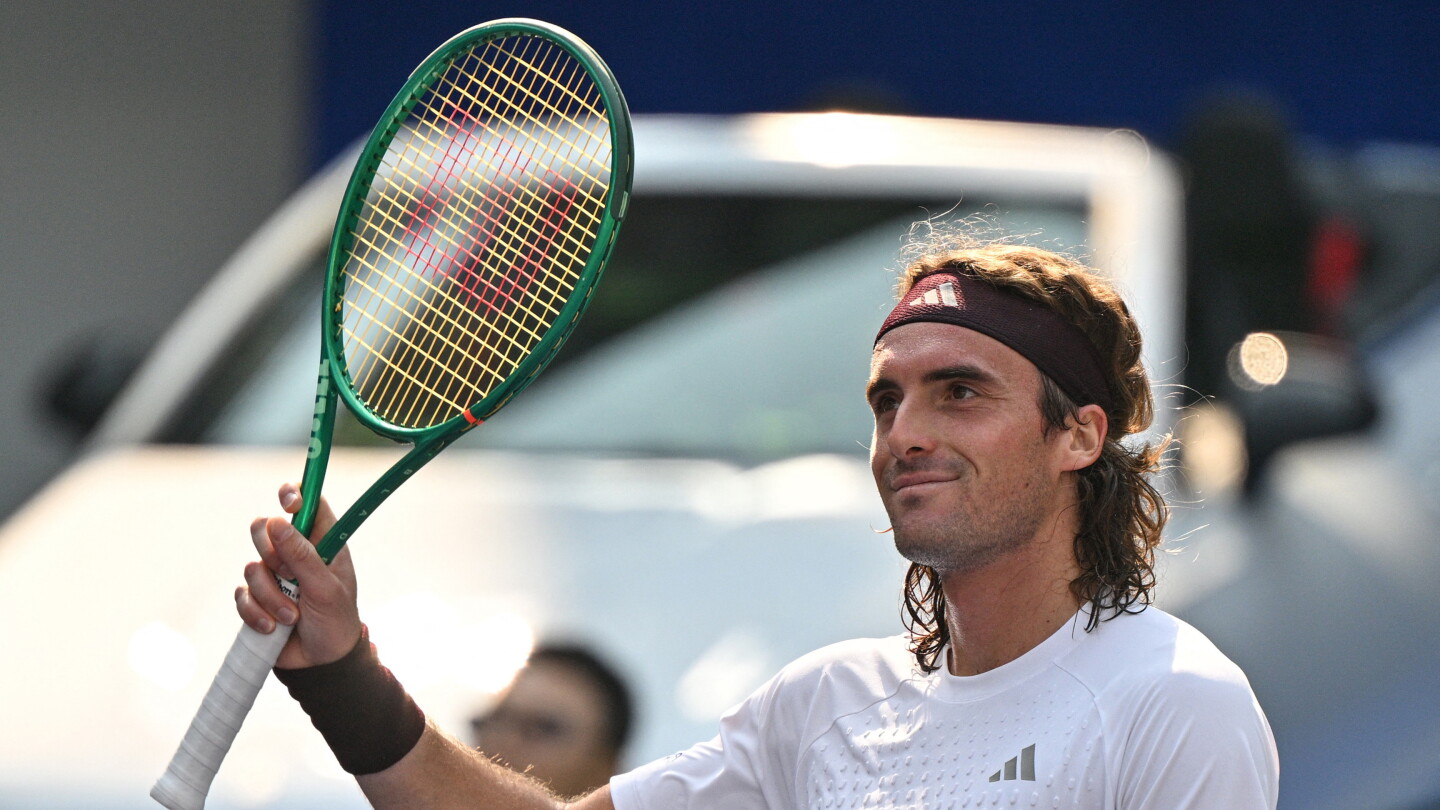
Shanghai is built for late-season pressure tennis. Fast courts. Thin margins. One loose service game and the whole week tilts sideways. The tournament already has that pulse. Stefanos Tsitsipas handled qualifier Kimmer Coppejans to reach the second round of the Shanghai Masters, while Hubert Hurkacz moved into position for a meeting with Novak Djokovic. Different paths. Same message. The draw is no longer easing anyone into rhythm.
NBC Sports and Fox Sports both tracked Tsitsipas’ opening move, and it looked like the kind of match he needed: clean, controlled, no unnecessary turbulence. A 6-3 opening set immediately settled the tone against Coppejans. Tsitsipas has spent enough stretches in recent seasons battling inconsistency that these early-round wins matter beyond the scoreline. Shanghai does not reward hesitation. Players either take the baseline early or get swallowed by the pace of the court.
Short points. Heavy first strikes. No room for drifting.
Tsitsipas advancing is not just another checkmark on the ATP calendar. It keeps a recognizable contender alive in a Masters event that always seems to expose shaky confidence by the third round. His game still carries the kind of shotmaking that can electrify a hard-court run when the timing clicks. The question hanging around him lately has been whether the week can stay stable once the pressure thickens. Early wins like this do not answer everything, but they stop the bleeding before it starts.
Then there is Hurkacz, who now lines up Djokovic. That matchup instantly changes the temperature of the tournament. Hurkacz has the serve to make elite players uncomfortable on quick courts. Djokovic, meanwhile, remains the standard for absorbing pressure and turning one loose point into a ten-minute avalanche. Shanghai has seen enough Djokovic masterclasses over the years that any potential meeting with a dangerous server carries extra intrigue.
One clean service hold can flip momentum in this city.
That is why the Hurkacz-Djokovic setup jumps off the draw sheet. Hurkacz does not need endless rallies to hurt opponents. He shortens exchanges, protects his delivery, and forces opponents to live on razor-thin margins in tiebreak territory. Against most players, that formula creates stress. Against Djokovic, it becomes a mental exam every few games. If the rallies extend, Djokovic drags matches into uncomfortable places. If Hurkacz keeps the points short, the pressure swings back toward the returner.
**Shanghai always rewards conviction. Half-steps get punished here before players even realize they are in trouble.**
The broader picture around this week feels important because the ATP season is now running on accumulated wear. Players are carrying long mileage into Asia. Timing gets fragile this late in the calendar. Confidence can disappear in a single bad service game and reappear just as quickly after one sharp win under the lights. Tsitsipas finding traction now matters. Hurkacz stepping into a marquee collision matters. Djokovic sitting in the middle of the draw matters most of all because every section starts bending around his presence.
There is also a stylistic tension forming in Shanghai already. Tsitsipas plays with visible emotion and rhythm. Hurkacz often operates with quieter efficiency, built around first serves and clean strikes. Djokovic remains the ultimate disruptor, turning opponents’ preferred patterns into exhausting negotiations. Put those ingredients on fast hard courts and the tournament suddenly starts carrying second-week energy before the bracket has fully settled.
No wasted motion. No free holds. Every service game feels like a small argument.
The ATP calendar can blur together by October, but Shanghai usually cuts through the noise because it asks direct questions. Can the biggest names still impose themselves after months of travel? Can confidence survive a fast court and a dangerous draw? Can an aggressive server hold nerve long enough to push a favorite into uncomfortable territory? Those themes are already surfacing after only a handful of headline results.
For Tsitsipas, the immediate task is simple: stack clean performances and keep the forehand dictating. For Hurkacz, the spotlight sharpens instantly with Djokovic waiting across the net. And for Djokovic, another Masters run means handling a field that knows exactly what it takes to beat him but still struggles to execute it over two sets.
**This is the stage of the season where every match starts feeling like a referendum on form, belief, and staying power.**
Looking Ahead: Shanghai now pivots toward its first real pressure matches, with Tsitsipas trying to build momentum and Hurkacz preparing for a collision that could swing the shape of the tournament early. Fast courts. Big names. Zero margin for drifting. If you missed it, you’re behind.