
 F1
F1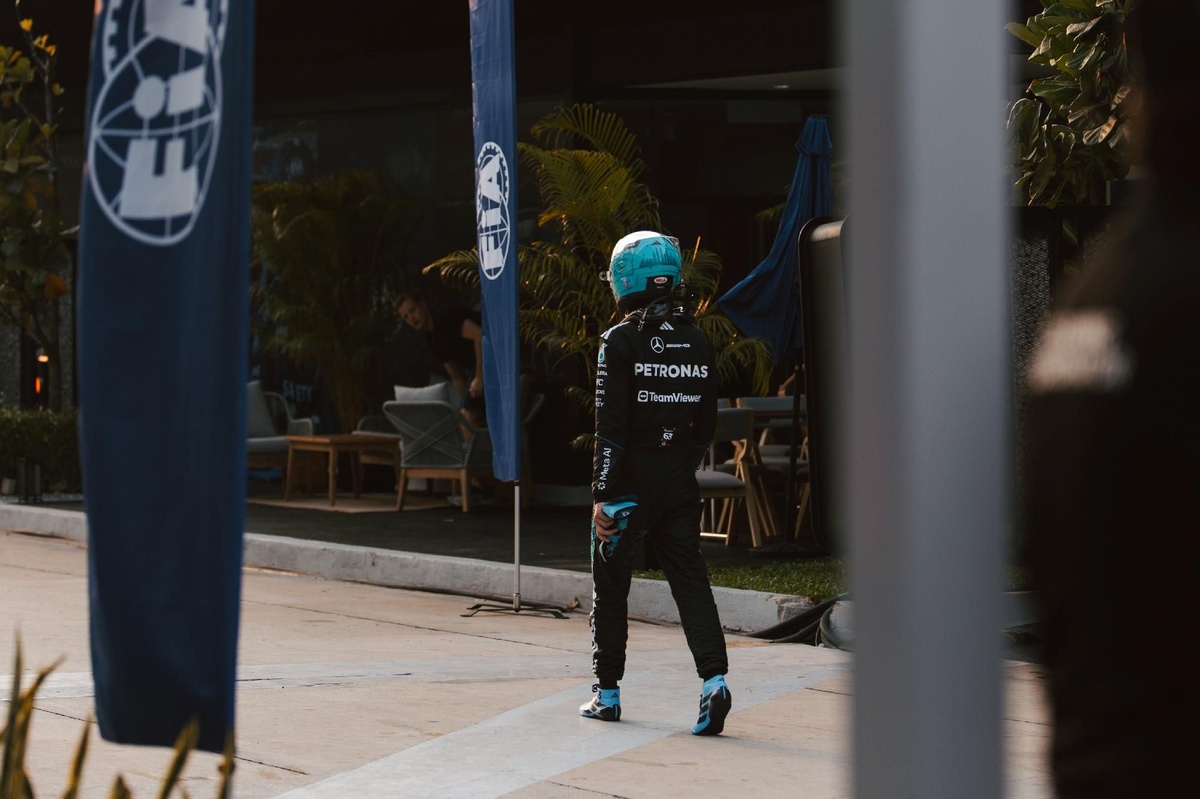
Singapore delivered the kind of sprint race that reminds the paddock how thin the line is between precision and panic. One moment George Russell looked completely dialed in under the Marina Bay lights. The next, the Mercedes driver was in the wall and the safety car was rolling before the race had even found a rhythm.
Motorsport.com reported that Russell crashed out of the lead during a wet Singapore GP sprint after a delayed start caused by a sudden downpour. The opening laps already felt loaded. Spray everywhere. Grip disappearing corner by corner. Drivers guessing more than attacking. Russell still found a way through, jumping polesitter position at the start and immediately taking command before the race snapped sideways.
That is Singapore in the rain. Fast hands. Zero forgiveness.
The sting here is not just the crash itself. It is the timing. Russell made the aggressive move that elite drivers are expected to make in changing conditions. He read the opening better than the field and seized control instantly. Then the track bit back before Mercedes could convert that pace into anything meaningful. Wet sprint races compress everything. Strategy windows disappear. Tire temperature becomes a lottery. One mistake carries triple the cost because there is no long-run recovery built into the format.
And this was not a small slide or harmless runoff.
The safety car arrived on lap two. Race flow gone. Momentum gone. Russell’s sprint gone.
Singapore already carries a reputation as one of Formula 1’s most punishing weekends even in dry conditions. Add standing water and reduced visibility and the circuit turns into a pressure chamber. The walls feel closer. Drivers cannot settle into rhythm. Every braking zone becomes a question instead of an answer. Russell looked ready to own those conditions for a brief flash. Then the race reminded everybody why wet street circuits remain one of the sport’s purest stress tests.
Mercedes now leaves this sprint with frustration instead of points momentum. Details beyond the opening incident are still emerging, but the immediate impact is obvious enough. A race that started with genuine opportunity dissolved before the first phase had fully developed. In modern Formula 1, sprint weekends already tighten the margin for error. There is less practice, less setup certainty, fewer clean adjustments. A wet sprint doubles the chaos and punishes overcommitment instantly.
The bigger takeaway from the weekend is how quickly confidence can swing during this phase of the season. A clean launch in brutal conditions can make a driver look untouchable. One wrong input, one puddle offline, one fraction too aggressive on throttle application, and the entire narrative flips in seconds. Russell experienced both ends of that spectrum almost immediately.
This is why teams obsess over controllability in changing weather. Raw pace matters, but composure matters more once visibility drops and grip starts moving around the circuit corner by corner. Singapore did not reward patience or aggression cleanly. It simply exposed whoever got the balance wrong at the wrong moment.
And the visual said everything. Lights reflecting off standing water. Cars throwing spray into the night air. A leader gone before lap three.
Formula 1 still does drama better than almost any sport when weather crashes the script.
Looking Ahead: The rest of the Singapore weekend now carries extra pressure for Mercedes after losing a major sprint opportunity almost instantly. Attention shifts toward recovery, setup confidence, and whether the team can regroup if wet conditions continue hanging over Marina Bay. In Singapore, the circuit never really loosens its grip once chaos starts.
If you missed it, you’re behind.