
 Tennis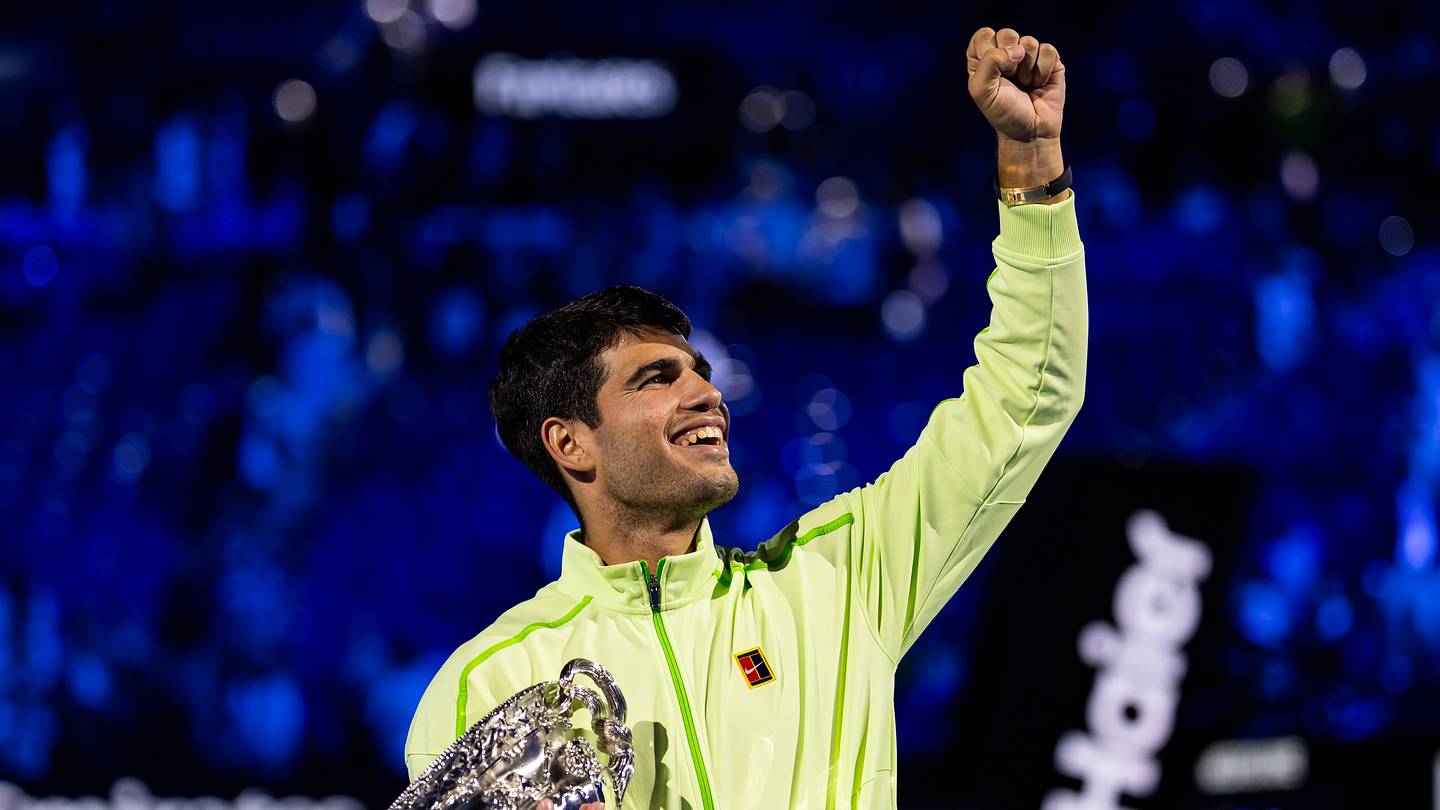
Tennis never stays still for long. One week the tour is grinding through its usual calendar rhythm. The next, the sport drops a concept built for speed, pressure, and star wattage. This week, the headline came from Bleacher Report and Sports Illustrated’s Serve On SI coverage: Jannik Sinner, Carlos Alcaraz, and Naomi Osaka are set to headline the Australian Open’s next 1 Point Slam. Three names. Three very different arcs. One event suddenly carrying real gravity before a ball has even been struck.
That lineup matters immediately because modern tennis runs on contrast. Sinner’s clean-ball precision. Alcaraz bringing chaos, touch, and improvisation from impossible court positions. Osaka carrying one of the sport’s most recognizable brands and biggest-match resumes. Put those styles into a condensed, high-pressure format and the margins get razor thin. No rhythm rallies. No slow climb into a match. One point changes everything.
Fast-court tennis has always rewarded nerve. This concept turns nerve into the whole economy.
The timing is sharp, too. Tennis continues searching for ways to hold younger audiences without flattening the sport’s identity into pure exhibition noise. The 1 Point Slam idea lands right in that tension point. It is quick enough for modern attention spans but still built around the oldest truth in tennis: somebody has to stand on the baseline and execute with everybody watching.
And if there are three players built for spotlight tension, it is this trio.
Sinner enters attached to the sport’s cold-blooded efficiency lane. His rise has been built on repeatable pressure and relentless baseline control. He does not donate points. That becomes fascinating in a format where every exchange carries knockout weight. Alcaraz, meanwhile, remains the sport’s human highlight reel. The improvisation, the feel shots, the speed changing direction mid-rally — all of it gets amplified in a one-point environment. One explosive swing can flip an arena in seconds.
Then there is Osaka. Her inclusion gives the event crossover pull beyond pure tennis diehards. Osaka still carries championship credibility and audience gravity whenever she enters a major-stage conversation. The Australian Open has long been tied to some of her biggest career moments, so attaching her name to a new-format event instantly gives it emotional familiarity instead of making it feel like a gimmick searching for legitimacy.
That is the balancing act here. Tennis audiences can smell artificial hype from three courts away. The sport protects its traditions fiercely. But this announcement avoided the biggest trap because it started with elite names instead of oversized marketing language. Fans will argue about format details later. They saw Sinner. They saw Alcaraz. They saw Osaka. Conversation started immediately.
One-point tennis is not built for comfort. It is built for pulse rate.
The broader landscape matters here, too. The sport is entering another era where personality and stylistic contrast are driving interest as much as rankings alone. Sinner and Alcaraz already represent the defining rivalry energy of the current men’s game whenever they share a draw. Osaka remains one of the few players whose presence can shift the temperature of an event instantly. Pulling those threads together under the Australian Open umbrella gives the 1 Point Slam immediate relevance instead of making it feel disconnected from the tour ecosystem.
There is also something unmistakably Australian Open about the whole thing. Melbourne has never been shy about embracing spectacle when the sport arrives in January heat. Night sessions there already feel louder, faster, and more cinematic than almost anywhere else in tennis. A compressed format with elite shot-makers fits naturally into that atmosphere. Even without every competitive detail publicly clarified yet, the shape of the event is easy to understand: pressure tennis stripped to its rawest form.
Bleacher Report’s coverage focused on the headliners, and honestly, that was the correct angle. Star power is the story right now. The format can evolve. Rules can tighten. Presentation can sharpen. But elite tennis still revolves around who walks through the tunnel and commands attention before warmups even begin. This event already cleared that hurdle.
Looking Ahead: all eyes now shift toward how the Australian Open builds the rest of the field around Sinner, Alcaraz, and Osaka. The names already attached guarantee curiosity. The next challenge is delivering matches that feel urgent instead of novelty-driven. In tennis, tension is everything. This format is betting the entire house on it.