
 Soccer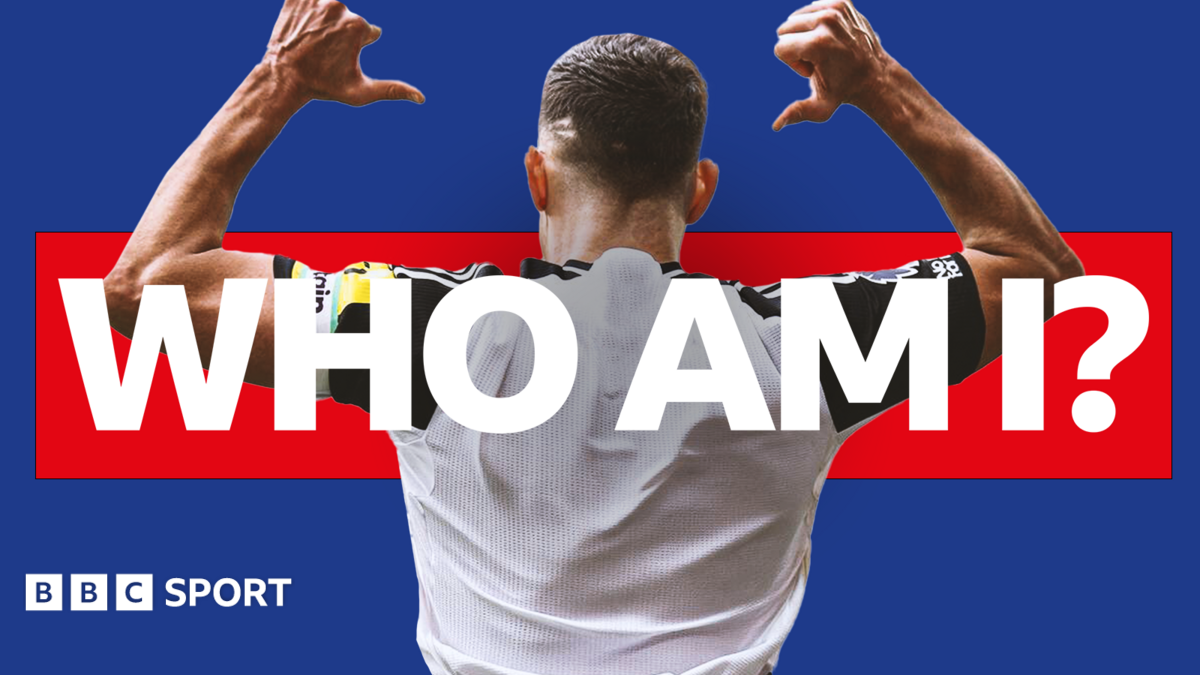
The football calendar never really sleeps. Even when the fixture list cools off, the conversation keeps moving. This past week, BBC Sport leaned straight into that reality with back-to-back editions of its “Who am I?” Premier League footballer quiz series, dropping Nos. 83 and 84 across consecutive days. No transfer bombshells. No touchline meltdowns. Just the purest fuel in modern football culture: supporters trying to prove they know ball better than everybody else.
And honestly, that tracks with where the game sits right now. The Premier League isn’t only ninety minutes anymore. It is daily engagement. It is memory tests, squad knowledge, badge loyalty, and the strange pride supporters carry when they identify a player in two guesses instead of six. BBC Sport understood the assignment. The quiz format is simple, almost brutally so, but that is exactly why it works. Fans do not need a tactical whiteboard every day of the week. Sometimes they want a quick hit of competition before work, during lunch, or while pretending to answer emails.
Football has become a year-round reflex.
Click. Guess. Debate. Repeat.
The timing matters too. Early October always creates a weird pocket in the season. Clubs are deep enough into campaigns for narratives to start forming, but not deep enough for anything to feel settled. That uncertainty sharpens supporter attention. Every lineup change feels loaded. Every breakout player starts entering the larger football consciousness. Quizzes like these thrive in that environment because they reward the fans paying attention to the details — appearances, transfers, positions, club histories, all the tiny threads that connect Premier League seasons together.
BBC Sport’s quiz entries themselves stayed intentionally lean. The challenge was the attraction. “Work out the identity of today’s player in as few attempts as possible.” That line is doing all the work. No gimmicks. No oversized production. Just football knowledge against the clock. In an era where sports coverage often tries to overwhelm audiences with nonstop noise, the simplicity lands clean.
And there is a competitive edge buried inside it.
Supporters treat football knowledge like silverware.
That is why these games spread. Group chats light up immediately. Somebody guesses correctly in one attempt and suddenly turns into the Pep Guardiola of trivia for the afternoon. Somebody else blanks completely and catches heat from friends wearing rival colors. It sounds small, but this is modern supporter culture in real time. The ecosystem around football is no longer separate from the sport itself. It is part of the matchday pulse.
The Premier League especially feeds this machine better than any domestic league in the world. Recognition matters. Familiarity matters. Players become symbols almost overnight. A good month can transform somebody from rotation option into quiz-answer royalty. That emotional speed is unique to English football’s media cycle. Every touch gets clipped. Every stat gets posted. Every fan develops a running internal database whether they realize it or not.
BBC Sport tapped directly into that habit this week with editions No. 83 and No. 84 arriving back-to-back. The numbering itself tells a story. This is not a one-off feature. It is a serialized ritual now. Fans return because they want the streak. They want the bragging rights. They want proof they can still recognize a Premier League career arc from a handful of clues.
That recurring format also says something larger about football media in 2026. Attention spans are fractured. Match analysis still matters, but supporters increasingly bounce between highlights, short-form clips, fantasy football debates, injury updates, and interactive content all within the same hour. The smartest outlets are building around that rhythm instead of fighting it. BBC Sport’s quiz series understands the modern football audience without trying too hard to sound modern.
Short. Sharp. Competitive.
Very Premier League.
There is also a subtle reminder buried underneath the trivia. The league’s depth of recognizable talent remains absurd. Eighty-four quiz editions in, there are still enough identifiable player journeys, clubs, and career twists to keep supporters engaged daily. That is brand power. Not manufactured hype — recognition earned through constant visibility and nonstop football conversation.
Looking Ahead: The football calendar is about to accelerate again, and once the fixtures return, supporter attention will snap back toward results, table pressure, and selection headaches. But these quieter weeks matter too. They keep the culture warm between kickoffs. And in 2026, staying part of the football conversation is practically its own competition.
If you missed it, you’re behind.