
 Soccer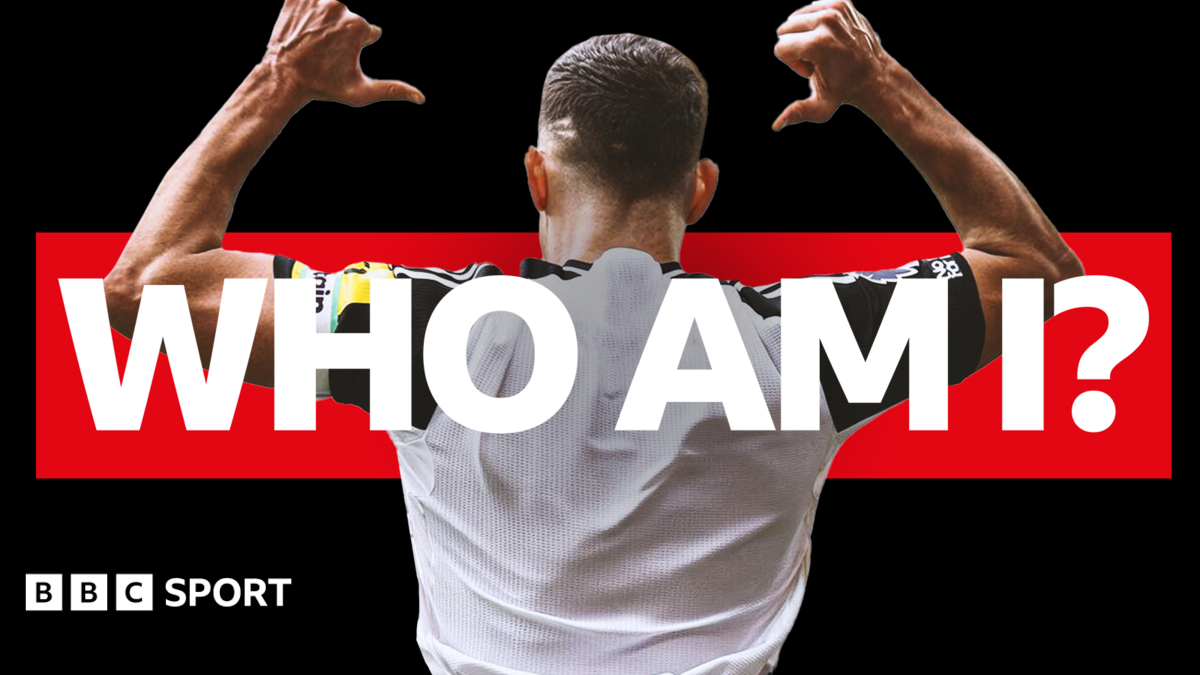
The fixture list never really sleeps. Neither does the Premier League attention economy. This week, though, the loudest football chatter did not arrive through a title race swing, a transfer leak, or another manager melting down on a touchline. It came through two deceptively simple BBC Sport prompts: “Who am I?” Premier League footballer No 85, then No 86. Short posts. Minimal clues. Maximum engagement.
And honestly, that tracks with where modern football culture lives now. Supporters do not just consume the game anymore. They solve it. Decode it. Build identity around remembering squad numbers from eight years ago, loan spells in the Championship, or the one season a left-back suddenly turned into a set-piece machine. BBC Sport understood the assignment this week. The quizzes landed like a late equalizer in stoppage time for football brains starving for competition between matchdays.
Tiny clue. Massive debate.
That was the rhythm all week.
BBC Sport published edition No 85 on October 13, then followed immediately with No 86 on October 14. Same premise both days: identify the mystery Premier League footballer in as few attempts as possible. Clean format. No overproduction. No need for fireworks. Football supporters took it from there.
The appeal sits deeper than nostalgia bait. These quizzes hit the nerve center of Premier League fandom because they reward memory over outrage. That is increasingly rare in the modern football cycle. Most online conversation now sprints toward transfer valuations, officiating fury, or reaction clips trimmed for algorithm fuel. The “Who am I?” format slows the game down just enough to remind supporters how much football detail they carry around in their heads.
And make no mistake, supporters wear that knowledge like silverware.
One correct guess in three tries feels better than half the takes flooding social media after a derby.
There is also a sharp competitive edge baked into these quizzes that mirrors the sport itself. Nobody wants six guesses. Six guesses is a relegation scrap. Three guesses? Champions League form. Football fans instantly understand the table stakes even when there is no actual table involved.
That subtle layer matters because the Premier League has become year-round theatre. Every pause in the calendar gets filled somehow. Some weeks belong to title races. Some belong to transfer windows. This week belonged to football recall. Different lane, same obsession.
BBC Sport did not need blockbuster headlines to pull supporters back into the game loop. The clues themselves became mini-matchdays. Group chats lit up. Fans tested each other. Old transfers resurfaced. Forgotten spells at mid-table clubs suddenly became useful information again. A winger’s old shirt number from 2019 turned into prime currency.
Football memory is a strange thing. Supporters can forget where they left their keys but instantly remember which Premier League striker scored on a rainy Monday night in November five seasons ago.
That energy drove both quiz releases.
The sequencing helped too. No 85 dropped, supporters scrambled for answers, then No 86 arrived immediately after to keep the momentum alive. Smart pacing. Football audiences love routine almost as much as they love drama. Daily football rituals carry weight now, especially in digital spaces where attention disappears quickly.
And this format cuts across every kind of supporter. Hardcore tactical obsessives. Fantasy Premier League addicts. Casual fans who just enjoy a lunchtime challenge. The barrier to entry stays low, but the satisfaction ceiling stays high. That balance is difficult to pull off in football media.
There is a reason trivia content keeps surviving every trend cycle.
Football supporters want proof they know ball.
The bigger picture here is not really about quizzes alone. It is about how the sport keeps supporters emotionally attached between major events. The Premier League machine runs on constant interaction now. Matchdays are still king, obviously, but engagement lives in the gaps too. BBC Sport tapped directly into that reality this week with a format that asks supporters to participate instead of just react.
And participation changes the tone entirely. Instead of arguing over VAR screenshots or dissecting press conference tension, supporters spent the week trying to outsmart each other. That is healthier oxygen for the sport. Competitive without turning toxic. Sharp without becoming exhausting.
Even the simplicity deserves credit. No giant production package. No dramatic reveal sequence. Just football knowledge against football memory. Sometimes the cleanest concept wins possession.
The quizzes also highlighted something easy to forget in the nonstop churn of modern football coverage: supporters genuinely enjoy the history of the league. Not just trophies and iconic goals, but careers. Journeymen. Cult heroes. The weird pathways that only make sense inside Premier League lore. Every clue opens a different football memory bank.
That connection keeps the league culturally dominant even on quieter weeks.
Looking Ahead: BBC Sport’s “Who am I?” series clearly found its lane this week, and there is little reason to think the momentum slows down. Expect supporters to keep treating every new edition like a cup tie for football IQ. In a sport flooded with noise, a simple mystery footballer can still stop the scroll cold.
If you missed it, you’re behind.