
 Golf
Golf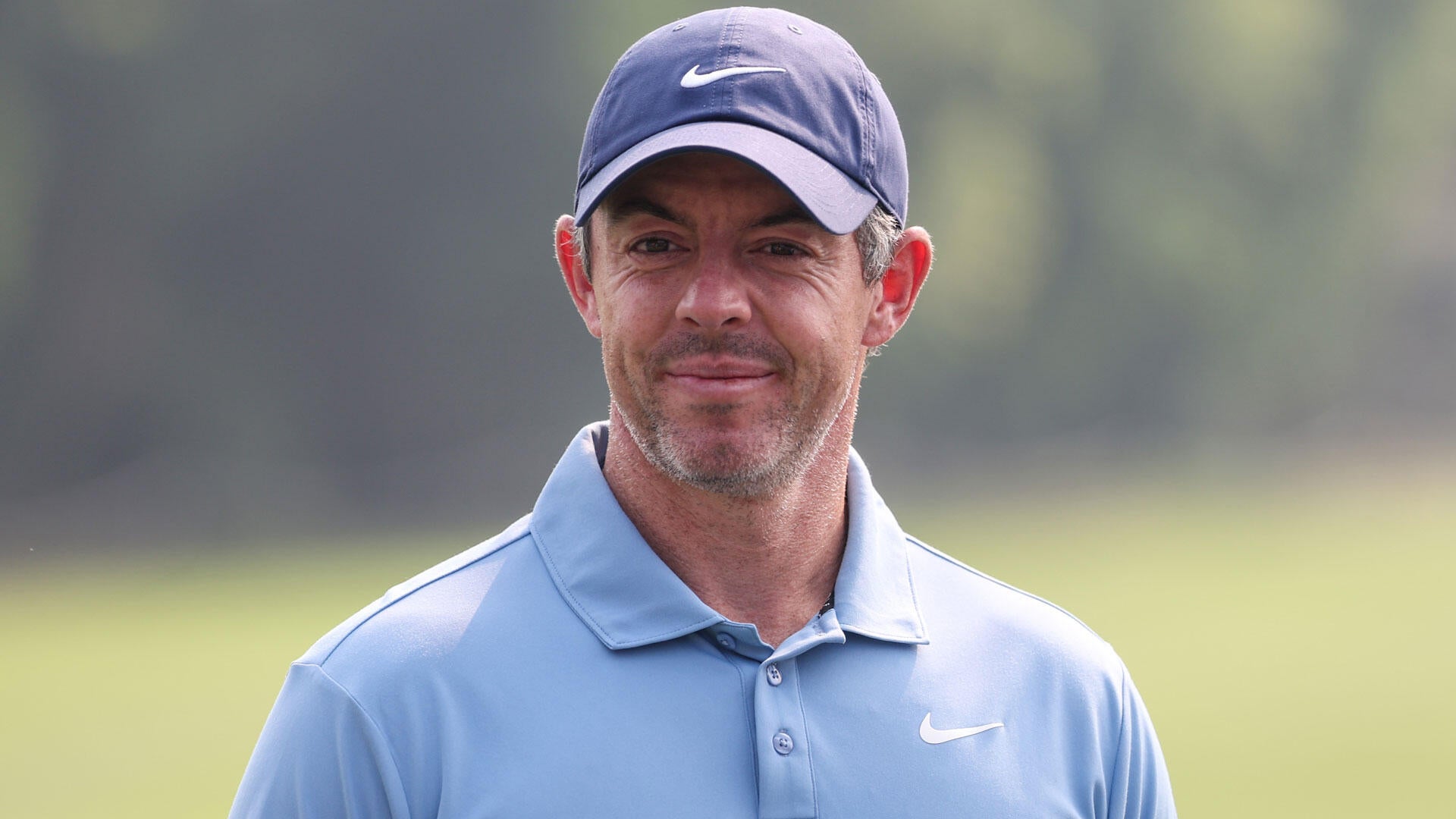
For years, golf’s civil war has lived in press conferences, policy memos, courtroom language, and side-eye handshakes on the range. This week, Rory McIlroy changed the temperature. Again. CBS Sports reported that McIlroy now supports allowing former LIV Golf players to return to both the DP World Tour and PGA Tour after years of public friction between the tours and the players who jumped leagues.
That lands differently because this is Rory. Not a fringe voice. Not somebody tossing a hot take into the wind between sponsor obligations. McIlroy spent the early years of the LIV split as one of the PGA Tour’s loudest standard-bearers. He carried the emotional weight of the divide in public. Sometimes willingly. Sometimes because the sport needed a face willing to speak while everyone else played defense from behind ropes and microphones.
Now the tone has shifted.
And golf heard it immediately.
McIlroy’s comments do not magically stitch the game back together overnight. The politics are still tangled. Eligibility rules remain complicated. Fans still split into camps every major week. But the posture matters. Golf has spent too long operating like a members-only club feud while the schedule fractured and the biggest stars drifted into separate ecosystems. The majors stayed elite because the majors always survive. Everything else? That became fragmented television and awkward coexistence.
McIlroy’s stance signals something practical: fatigue with the standoff and recognition that the game eventually needs a cleaner runway forward.
The old hard line suddenly feels softer around the edges.
That is not a small development inside professional golf. The sport moves slowly until it moves all at once. One influential voice can reset the conversation around punishment, reinstatement, and what competitive golf is supposed to look like over the next decade. The PGA Tour and DP World Tour built much of their public posture around protecting membership loyalty after LIV arrived with massive contracts and disruption. Players who left were framed as having made a choice with consequences attached.
McIlroy now appears more interested in what comes after the consequences.
That distinction matters inside locker rooms, player meetings, and negotiations still circling around the sport’s future structure. Golf has always depended on legacy, access, and selective forgiveness. The game loves tradition right until tradition becomes inconvenient for business. Then compromise starts warming up on the range.
CBS Sports framed McIlroy as “content” with allowing former LIV players back into the fold. That wording carries weight because it hints at acceptance replacing resistance. Earlier chapters of this saga carried sharper edges. This one sounds more like a player looking at the landscape realistically: fans want the best fields together more often, sponsors want cohesion, and tours cannot spend forever shadowboxing while the calendar drifts.
And make no mistake, this conversation is really about competitive gravity.
Golf loses something when too many recognizable names exist outside the same weekly ecosystem. Rivalries flatten. Storylines stall. Signature events feel incomplete. The majors become reunion tours instead of natural checkpoints in an ongoing season-long narrative. McIlroy appears to understand that the sport eventually needs less courtroom energy and more leaderboard energy.
The timing is notable too. Public rhetoric around LIV and the PGA Tour has cooled compared to the early explosion phase of the split. The outrage cycle burned hot, then settled into business reality. That does not mean everyone suddenly agrees. It means the game has reached the stage where coexistence sounds less dramatic than endless hostility.
Golf’s power structure also knows fans have a limited appetite for governance fights. They want final groups on Sunday. They want stacked leaderboards. They want the feeling that the best players in the world are chasing the same trophies with the same stakes attached. Every conversation around reunification, reinstatement, or tour cooperation eventually circles back to that basic truth.
McIlroy stepping into a more forgiving position could influence how other established PGA Tour figures publicly discuss LIV players moving forward. It may also shift expectations around future eligibility pathways. Nothing official appears imminent from the reporting available this week, but influential players changing tone often comes before institutions do.
And in golf, the whispers usually arrive before the rulings.
Looking Ahead: The next phase of this story is less about outrage and more about logistics. How tours handle reinstatement, membership standards, and competitive integration will shape the sport’s landscape heading into 2027. Rory McIlroy just nudged the conversation toward reconciliation. In golf terms, the door is no longer shut tight. It is sitting slightly open beside the first tee.
No noise. Just signal.