
 Golf
Golf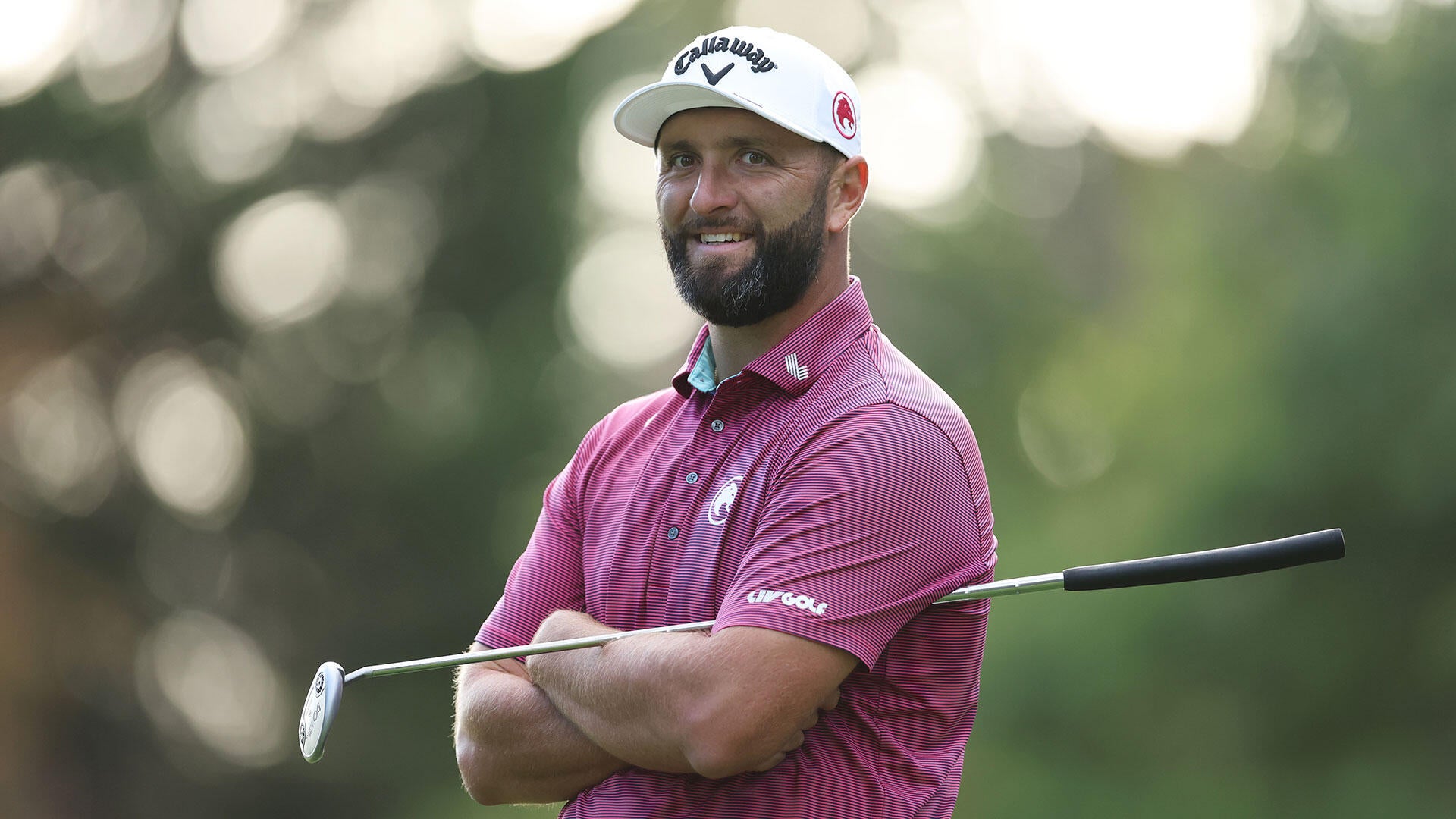
Jon Rahm’s next move suddenly feels bigger than one player deciding where to peg it. The two-time major winner sits at the center of golf’s ongoing identity fight, and CBS Sports spent the week examining the roads still open to him after his LIV Golf exit. The conversation now stretches beyond contracts and appearances. This is about access. Legacy. Ranking points. Major championships. The whole architecture of elite golf starts rattling when a player of Rahm’s caliber enters free agency with unfinished business.
For the last few seasons, golf has lived in split-screen mode. PGA Tour on one side. LIV Golf on the other. The DP World Tour weaving through the middle like a strategic fairway bunker nobody could avoid. Rahm’s situation drops fresh tension into that landscape because he is not a fringe name trying to climb back into relevance. He is one of the sport’s defining players of this era. Every possible landing spot carries consequences far beyond a single schedule release.
CBS Sports focused on the central question: what does Rahm need to do to play the biggest events in 2027 and beyond? That question hangs over modern golf like a coastal wind gust on Sunday afternoon. It changes club selection. It changes strategy. It changes everything.
The PGA Tour remains the gravitational center of week-to-week elite competition. That part has never fully changed, even during golf’s fractured years. If Rahm wants a steady path into the deepest fields and the cleanest qualification routes, the Tour naturally enters the conversation. But nothing around this situation feels simple. Every potential path comes attached to eligibility questions, timing questions, and political tension that still lingers beneath the sport’s polished surface.
Short game touch matters in golf. So does timing. Rahm now needs both.
The DP World Tour also looms large here, not just as a secondary option but as a meaningful competitive route with real global relevance. For players navigating uncertain status, the DP World Tour can become both bridge and battleground. It offers pathways. It offers visibility. It also keeps players in meaningful competitive reps while larger decisions unfold around the sport’s structure.
And make no mistake, Rahm’s status changes the energy around any tour he joins. This is not a ceremonial addition. This is a player who still moves betting markets, television windows, and leaderboard gravity. When Rahm enters contention, tournaments tighten up. Broadcasts sharpen. Fans lock in.
Golf has always prized continuity. The rhythm of seasons. Familiar venues. Predictable pathways to majors. LIV Golf disrupted that rhythm, and Rahm’s exit creates another sharp turn in a sport already navigating rough terrain. The conversation now becomes whether elite players can realistically move between systems without sacrificing access to the game’s biggest stages.
That question is no longer theoretical.
It is sitting directly on Rahm’s scorecard.
CBS Sports framed the issue around participation requirements and future eligibility, which gets to the heart of the modern golf debate. Winning still matters most in this sport. But now paperwork, memberships, and tour alignment can shape careers almost as much as a closing birdie stretch. Golf never used to talk this way. Fans notice that shift, even when the language gets buried beneath policy discussions.
Rahm’s position also arrives at an interesting moment culturally for the game. Golf has spent years balancing tradition against disruption. Some fans wanted innovation and bigger money. Others wanted the old ecosystem protected at all costs. Most just wanted the best players competing together more often. Rahm’s next chapter lands right in the middle of those competing visions.
And that is why this story carries weight far beyond administrative details.
A player with Rahm’s stature does not quietly drift into a new phase of his career. Every move becomes a signal. If he leans toward the PGA Tour, it strengthens the idea that traditional competitive pathways still hold the strongest long-term value. If the DP World Tour becomes central to his schedule, it reinforces the growing importance of global flexibility in a fractured golf world.
Either way, the majors remain the north star. They always do. Golf history does not ask where a player signed paperwork. It asks who won at the biggest venues under the hardest pressure. Rahm already owns that kind of pedigree. The urgency now is preserving access to more of those moments.
The next few months could become a defining stretch not only for Rahm, but for how elite golf handles reintegration, eligibility, and competitive legitimacy moving forward. The sport spent years creating dividing lines. Now it has to decide how permanent those lines really are.
Looking Ahead: Rahm’s schedule decisions for 2027 will dominate golf conversation heading into the offseason. The PGA Tour and DP World Tour both sit in the frame, while the larger question hangs over everything: can elite golf finally reconnect its fractured fairways before another generation of prime years gets split apart?
If you missed it, you’re behind.