
 MLB
MLB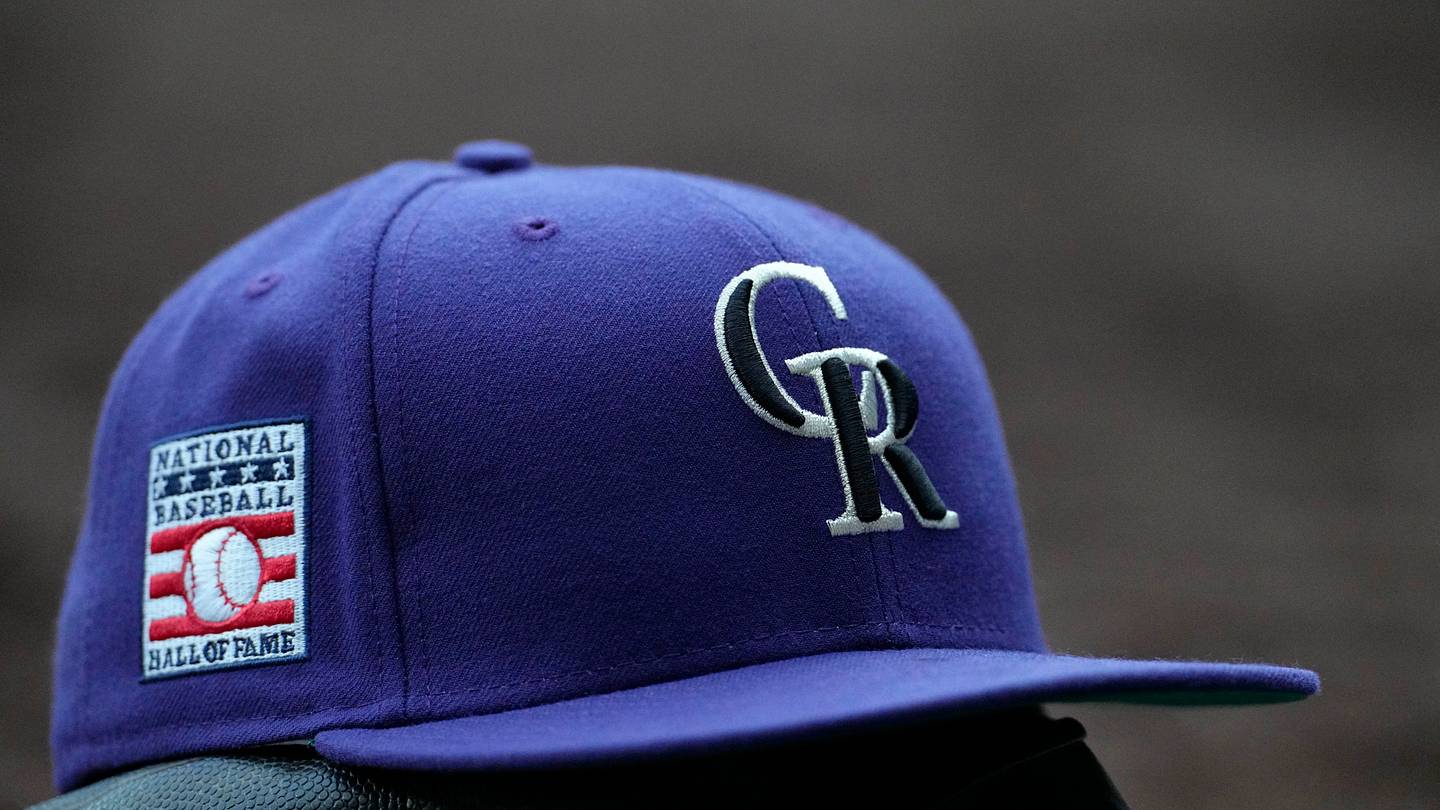
The World Series chase still owns the calendar, but two franchises already feel like they’re standing in the batter’s box with the count full. Toronto and Colorado are heading into offseasons that carry more weight than the usual executive-suite talking points. Sports Illustrated zeroed in on both clubs this week, and the message came through loud: this winter is about credibility as much as roster construction. Fans can live with a rebuild. They rarely forgive drift.
Toronto’s pressure comes with sharper edges because the expectations never disappeared. The Blue Jays have spent years operating in the orbit of contention, close enough to keep belief alive, not close enough to cash it in. That creates a different kind of heat. Every move gets measured against a simple question: is this team actually moving toward October relevance, or just circling it again? Sports Illustrated framed this offseason as potentially the biggest one yet for the Blue Jays front office, and it tracks. The roster conversation is no longer theoretical. It’s urgent.
A front office can survive one disappointing season in a major market. Surviving repeated ambiguity is tougher.
The AL East does not hand out grace periods. New York reloads. Tampa Bay keeps finding arms out of thin air. Baltimore’s rise changed the balance of power. Boston never stays quiet for long. Toronto sits in a division where hesitation gets exposed by Memorial Day. Every decision this winter lands under a microscope because the Blue Jays are no longer selling possibility alone. The clock moved past that phase.
Colorado faces a different storm entirely. The Rockies are not trying to convince people they are one move away. They are trying to convince people there is a coherent path at all. Sports Illustrated described this as perhaps the most important offseason yet for Colorado’s front office, and the reason feels obvious to anyone watching the NL West. The Dodgers remain the giant in the room. Arizona accelerated faster than expected. San Diego still carries star power. Even in a division built on volatility, the Rockies have looked stuck between timelines.
That’s a dangerous place for a baseball operation. Teams either build toward a future or push chips toward the present. Colorado has spent too much time floating in the middle lane, where short-term fixes age fast and long-term plans never fully arrive. Fans in Denver know Coors Field can still be one of the sport’s best summer stages. They also know energy disappears quickly when the standings turn cold by June.
One hot month can sell tickets. It cannot erase organizational confusion.
What makes these stories connect is how differently pressure shows up across the sport. Toronto’s burden is expectation fatigue. Colorado’s burden is relevance. One club needs to prove it can break through. The other needs to prove it understands what direction looks like in modern baseball. Neither challenge is small.
And this is where front offices earn or lose trust. Not with polished press conferences. Not with vague promises about internal growth. Baseball people know the difference between aggression and panic, between patience and passivity. This offseason will force both organizations to declare themselves. Toronto cannot afford another winter that feels cautious around the edges. Colorado cannot afford another year where the long-term vision feels blurry before spring training even opens.
The Blue Jays still have the advantage of expectation because expectation means people believe the ceiling exists. That matters in a sport where competitive windows slam shut without warning. But expectation also sharpens every stumble. If Toronto spends another season hovering around the same frustrating middle ground, the conversation around the organization changes from “when” to “why not.” That shift hits hard in baseball cities.
Colorado’s situation cuts deeper because patience erodes differently during prolonged struggles. Rebuilding clubs can energize fans if the direction feels authentic. Stagnation empties the room. The Rockies need an offseason that signals purpose, whether through development commitments, roster reshaping, or a clearer competitive identity. Baseball people can handle honesty. They tune out recycled optimism fast.
Two organizations. Two different realities. Same pressure point.
This winter is not about winning headlines in December. It is about walking into spring with believable intent. The Blue Jays need moves that match the urgency surrounding the roster. The Rockies need decisions that finally establish what era of baseball they are trying to play. In both cities, the executives are stepping into an offseason that will define more than a single year.
Looking Ahead: As the postseason rolls on elsewhere, Toronto and Colorado already feel tied to the winter meetings calendar. Every rumor, every executive comment, every roster decision will carry extra weight. Some offseasons pass quietly. These two won’t.
If you missed it, you’re behind.