
 UFC
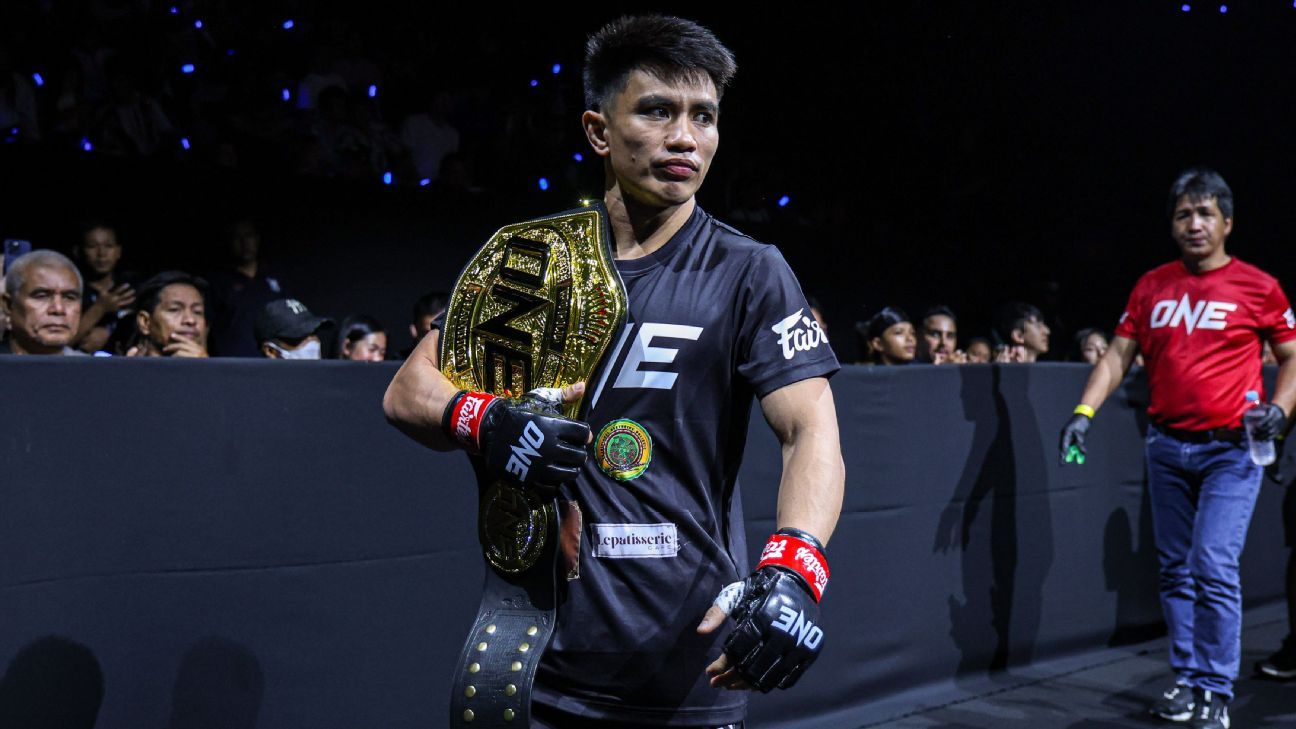
Joshua Pacio is not walking into Japan talking like a man protecting a belt. He is talking like a fighter trying to break a pattern that has followed him for years. ESPN highlighted Pacio’s focus this week as the ONE strawweight MMA world champion prepares for another title defense in Japan, where he openly addressed what he called the “Japan curse.” In a sport built on confidence theater, Pacio did not dodge the history. He leaned straight into it.
That changes the temperature around this fight immediately.
Champions usually sell dominance. Pacio is selling unfinished business.
The phrase itself carries weight because Japan is not just another stop on the MMA calendar. For fighters across Asia, fighting in Japan still means something different. Legacy. Pressure. Spotlight. The old-school proving ground. Every walk to the cage there feels louder, even before the first punch lands. Pacio knows the symbolism, and now he is tying his own championship story directly to it.
ESPN’s report framed this upcoming defense around that mental hurdle, and it lands at the right moment for ONE Championship. The promotion has leaned heavily into identity fights lately — matchups and narratives that feel rooted in regional pride, history, and stylistic reputation instead of generic title-defense copy. Pacio stepping into Japan while openly confronting his past there gives this card a sharper edge than a routine championship booking.
This is not just about whether the belt stays around his waist.
It is about whether a champion can rewrite the one setting that has refused to cooperate with him.
Pacio’s willingness to publicly frame the fight this way also says something about where he is in his career. Fighters early in their rise usually avoid adding extra pressure. Veterans with titles tend to strip emotion out of interviews completely. Pacio went the other direction. He acknowledged the narrative before anyone else could weaponize it. Smart move. Now the story belongs to him.
And in MMA, ownership of the story matters almost as much as the result.
A clean title defense in Japan would instantly tighten his standing inside ONE’s current championship picture. Not because one win suddenly changes his skill level, but because context changes everything in combat sports. A dominant win at home is expected. A composed win in the building tied to your worst memories hits differently. Fans remember those nights longer.
The timing matters too. ONE continues balancing multiple combat formats and stars across regions, so champions who can carry emotional stakes into international cards become increasingly valuable. Pacio already has the title. This kind of narrative gives him gravity. The audience is no longer watching only for techniques and scorecards. They are watching to see whether a fighter can finally settle a score with a city and a history.
That is real fight tension. The kind you cannot manufacture with press conferences.
There is also something refreshing about hearing a champion admit a place has gotten inside his head. MMA still rewards bravado, but fans can spot empty noise instantly now. Pacio’s comments cut cleaner because they sound personal instead of promotional. No oversized declarations. No fake invincibility. Just a fighter acknowledging that Japan has been a difficult chapter and wanting to change it while holding the top spot in his division.
That honesty raises the stakes more than any trash talk could.
ONE’s strawweight division has often thrived on technical chaos and momentum swings, and Pacio’s title reign now sits in that same emotional lane. Every defense carries pressure. Every road environment amplifies it. But this one arrives with a specific target attached to it. The “Japan curse” line will follow him all the way to fight night because he put it there himself.
Good.
Big fights should carry a little psychological smoke before the cage door shuts.
The broader combat sports landscape also keeps shifting toward fighters who can create memorable arcs outside pure win-loss math. Pacio’s situation fits naturally into that trend without feeling forced. Fans understand the idea immediately. A champion goes back to the place that has haunted him and tries to leave differently. Simple. Clean. Effective.
And if he pulls it off, the story becomes bigger than one successful defense.
It becomes the night the champion stopped fighting ghosts and started owning the room.
Looking Ahead: Pacio’s next defense now carries more intrigue than a standard title fight because the pressure is attached to geography as much as the opponent. Japan has lingered in the background of his career for too long. Now he gets the chance to settle it under championship lights. No noise. Just signal.