
 Tennis
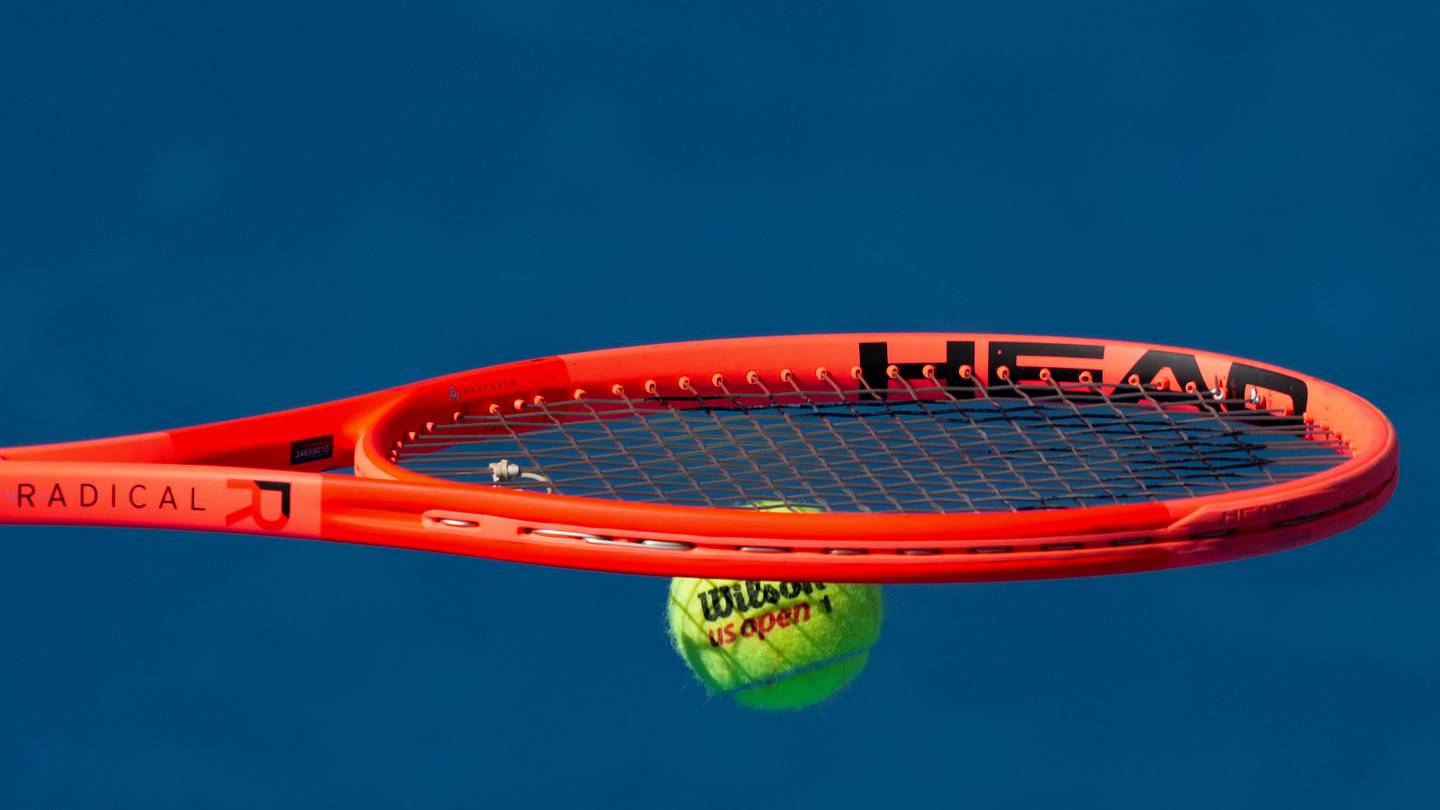
The tennis calendar never really sleeps, but this past week the loudest conversation did not come from a fifth-set breaker or a chair-umpire showdown. It came from the gear bag. Bleacher Report’s look at the five most popular rackets in professional tennis pulled the curtain back on one of the sport’s constant truths: elite tennis is still a game of feel, trust and microscopic margins hiding inside carbon fiber frames.
Players change coaches. Players tweak schedules. But changing a racket? That is open-heart surgery in this sport. The frame becomes muscle memory. Timing. Identity. One bad adjustment and a forehand suddenly lands six inches long in the biggest moment of a match.
That tension sat underneath the entire conversation around the most-used rackets on tour. The report highlighted how modern pros continue to gravitate toward frames built for heavy topspin, controlled aggression and baseline endurance. No surprise there. Tennis in 2026 remains brutally physical. Long rallies are not survival exercises anymore; they are offensive patterns. The modern racket has to absorb pace, redirect it and still give enough touch when a player feathers a drop shot off a dead sprint.
Small detail. Huge meaning.
The popularity of these rackets also says something about where the pro game keeps drifting tactically. Power still rules headlines, but the winning formula now lives in controlled acceleration. Players are not just swinging harder. They are creating shape, spin and repeatable depth deep into matches that feel more like track events than classic serve-and-volley showcases.
That evolution shows up in the equipment choices pros keep making. The Bleacher Report breakdown emphasized models trusted across multiple levels of the game, from established stars to younger players climbing rankings. Familiarity wins. Consistency wins. The best players on Earth are not searching for gimmicks. They are hunting for predictability under pressure.
And that pressure has never been heavier.
The margins in top-level tennis now look microscopic. A slightly slower reaction at net. A return drifting short in a deciding set. A forehand frame twisting just enough on contact. Equipment conversations used to live in niche corners of the sport. Not anymore. Fans track string tension changes like injury reports. Recreational players buy the same frames used on tour hoping to bottle a fraction of that control.
The rackets themselves have become part performance tool, part identity marker. Certain frames immediately signal a style of play. Baseline grinder. Heavy topspin aggressor. Flat-ball striker. Counterpunch artist. The modern tour has become so physically demanding that players need a racket capable of surviving five straight hours of violence from the baseline without losing responsiveness.
That is the hidden chess match happening inside every tournament draw.
The report also reinforced how deeply brand loyalty still matters in tennis culture. A racket company earning trust inside locker rooms creates ripple effects everywhere else. Junior players copy what they see on television. Club players follow the same trend lines. Tennis remains one of the rare sports where consumers can walk into a store and buy nearly the exact equipment shape trusted at the highest level.
That connection keeps the sport unusually intimate. Fans do not just watch the game. They try to feel it.
There is also something refreshingly old-school about the entire discussion. Tennis constantly races toward innovation — faster strings, lighter frames, more spin production — yet the core question never changes: can a player trust the racket on break point? Every technical advancement eventually circles back to nerves.
That reality keeps equipment stories from becoming sterile tech talk. They are really stories about confidence. About rhythm. About how elite players survive mentally across a global calendar where one bad week can swing rankings, momentum and perception.
A racket does not win matches by itself. Everyone in tennis knows that. But the wrong setup can quietly lose them.
Looking Ahead: As the tour pushes deeper into the closing stretch of the season, equipment conversations will only intensify. Indoor conditions, faster courts and fatigue all magnify the importance of control and feel. The players still standing late in tournaments are usually the ones whose games — and gear — hold steady under stress. In tennis, trust travels in the racket bag.
If you missed it, you’re behind.