
 F1
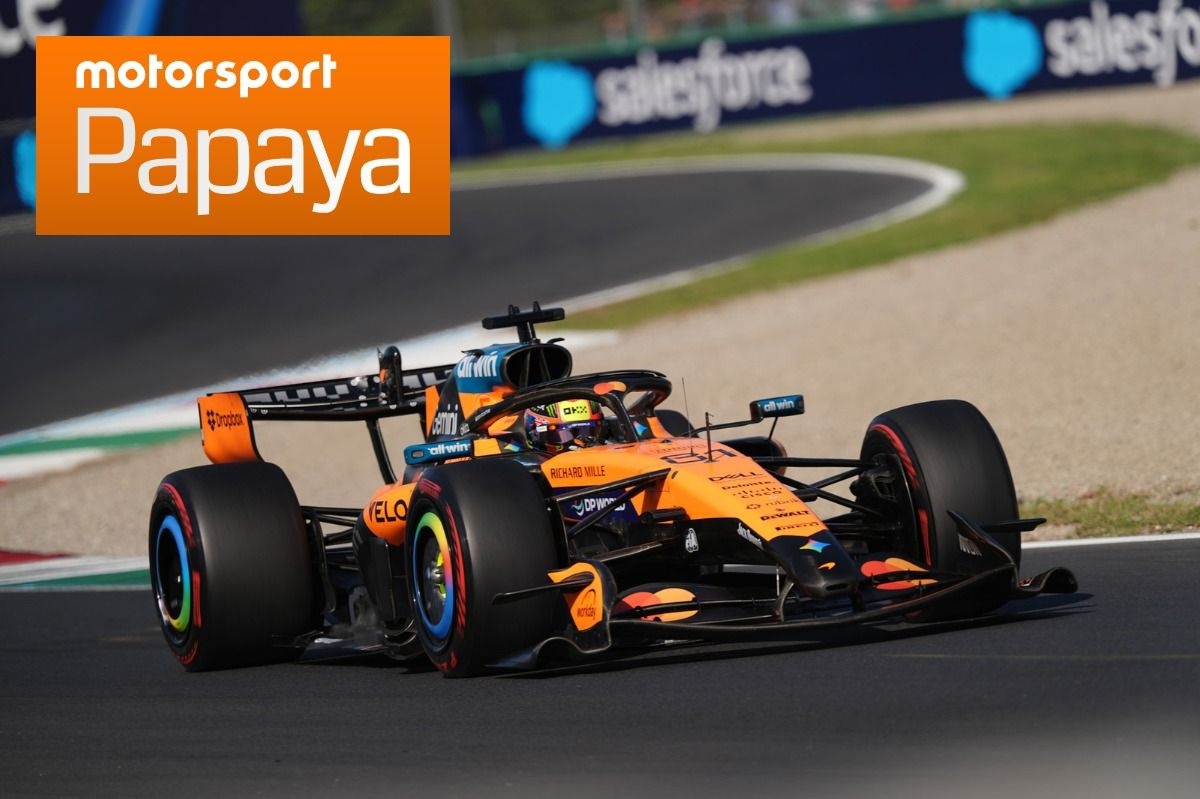
Six races left. Tiny margins everywhere. And McLaren just delivered the kind of quote that lands harder than a lock-up into Turn 1.
Oscar Piastri told Motorsport.com that the team likely will not solve its current issues before the end of the 2026 Formula 1 season. No smoke screen. No soft-pedal optimism. Just a cold assessment from a driver staring at a car that appears to have hit its ceiling.
That changes the temperature around McLaren immediately.
F1 teams live on upgrade cycles, correlation wins, simulator breakthroughs and late-season miracles. Piastri essentially hinted this one may already be over from a development standpoint. In October, that is a brutal admission. Especially for a team carrying front-running expectations.
The striking part is not simply that McLaren has problems. Every team on the grid has weak spots this deep into a regulation cycle. The real sting sits in Piastri’s wording. He believes the car has reached its limit. In Formula 1 language, that is not a setup complaint. That is a ceiling. A wall.
And walls arrive fast in modern F1.
The calendar does not care about good intentions. Six races disappear in a blink once sprint weekends, travel grind and parc fermé restrictions stack together. Development windows narrow. Engineers pivot resources toward next year. Drivers stop talking about finding tenths and start talking about maximizing damage control.
McLaren now sounds like a team caught between two clocks. One counts down the remaining races of 2026. The other already points toward the next build.
Piastri’s comments also sharpen the spotlight on how brutal the margins are near the front. One stubborn aerodynamic issue can poison an entire stretch of races. A car that once rotated cleanly suddenly chews tires. High-speed confidence vanishes. Balance shifts corner to corner. Drivers start driving around the package instead of through it.
That is where championships disappear.
The quote carries extra weight because Piastri is not prone to theatrical panic. His public style tends to stay measured, almost surgical. So when a driver like that openly questions whether meaningful fixes are coming before season’s end, the paddock listens differently.
And the timing could not be sharper.
The final six-race stretch is where elite teams usually tighten execution and hunt opportunities. Instead, McLaren’s messaging now feels defensive. Not surrender. But realism. There is a difference, and in F1 those differences matter.
A driver can still steal podiums from an imperfect car. Strategy can rescue weekends. Weather chaos can flip a grid upside down by Saturday afternoon. But sustained pace problems are a different beast. They travel. They follow teams from circuit to circuit.
This is the hidden brutality of Formula 1 development. The outside world sees upgrades as silver bullets. The reality is uglier. Sometimes the package simply stops responding. Wind tunnel gains refuse to translate. Track characteristics expose flaws more aggressively every weekend. At that point, every new component becomes less about transformation and more about survival.
McLaren now faces a delicate balancing act over these closing races. Keep pushing and risk burning resources for marginal returns, or pivot harder toward the future while trying to salvage consistency in the present. Neither option feels comfortable when expectations sit this high.
The garage mood changes when a ceiling gets acknowledged publicly.
Drivers feel it. Engineers feel it. Rivals definitely feel it.
The psychological side of this matters too. Formula 1 is a confidence championship as much as an engineering one. A stable car lets drivers attack braking zones instinctively. An unstable one forces hesitation measured in hundredths. Across a lap, those hundredths become rows on the grid.
Piastri’s remarks effectively draw a line under the idea that a dramatic late-season breakthrough is around the corner. That alone reframes McLaren’s final stretch. The conversation shifts from chasing perfection to extracting whatever remains from the package every Sunday.
And yet, this is still Formula 1. Chaos has a standing invitation.
Six races remain. Reliability swings happen. Safety cars scramble strategy sheets. Track temperatures move entire pecking orders around. A team does not need the fastest car to shape a championship weekend. It just needs one clean strike at the right moment.
Still, the broader signal from McLaren is difficult to ignore. The development race may already be tilting toward 2027 thinking inside those walls. Teams rarely say that part out loud in October. Piastri came close.
That honesty carries its own edge. Fans can handle realism. What they cannot stand is polished nonsense while lap times tell a different story. McLaren appears to know exactly where the car sits. The hard part is living with it for six more rounds.
Looking Ahead: McLaren heads into the closing phase of the season trying to squeeze points and performance from a package Piastri believes may already be fully exposed. The next few races will reveal whether clean execution can still mask the car’s limits — or whether the grid has finally caught up for good.
If you missed it, you’re behind.