
 Tennis
The women’s tour just picked up a different kind of tension. Not the baseline-grind, three-set chaos kind. The calendar kind. The ranking kind. The kind that hangs over every practice swing and physio table in late October.
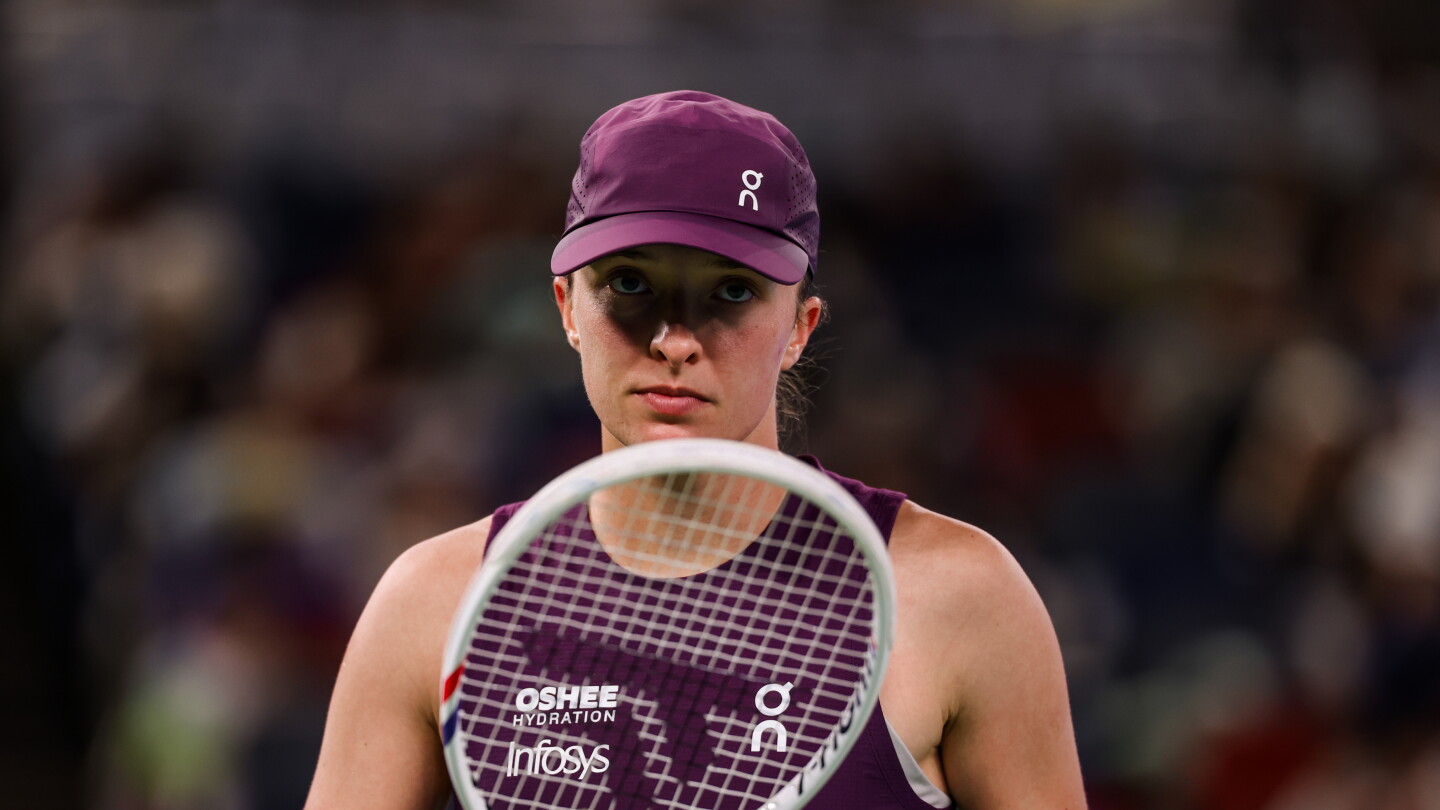
Iga Swiatek withdrew from the Ningbo Open with an injury, NBC Sports reported, and suddenly one of the biggest constants in the sport looks vulnerable at the exact wrong moment. The WTA Finals are no longer a routine checkpoint on her schedule. They are now a race.
That changes the entire mood around the closing stretch of the season.
Swiatek has spent the last several years setting the pace on the women’s side with relentless depth from the baseline and a schedule built around consistency. When she pulls out this late in the year, everybody notices. Ningbo is not just another stop on the map in October. These points matter. Every withdrawal this close to the finish line opens the door for movement in the standings and injects pressure into a field already carrying the physical weight of a long season.
And tennis players know this reality better than anybody: the season does not slow down because a body does.
The timing lands hard. The WTA calendar has become increasingly unforgiving down the stretch, with top players balancing qualification races, recovery windows, and the expectation to stay sharp indoors. Swiatek missing Ningbo because of injury is not simply about one tournament exit. It is about uncertainty entering the most selective event on the schedule. The Finals are supposed to showcase the sport’s elite at full throttle. Instead, one of the defining names of the era is now dealing with a late-season physical question mark.
That shifts the emotional gravity of the tour.
A healthy Swiatek changes how every draw feels. Opponents know the patterns. Heavy topspin. Elite court positioning. The pressure of trying to hit through someone who turns defense into suffocation. Even when she is not holding a trophy, her presence shapes tournaments. Remove that certainty and the field starts breathing differently.
October tennis always carries a strange pulse. Some players are sprinting for qualification. Others are hanging onto tired legs and taped shoulders. The line between a strong finish and a frustrating offseason can be one awkward movement or one overloaded week. Swiatek’s withdrawal became the latest reminder that the modern tour is less marathon and more survival test by the end of the year.
Short margins. Heavy mileage. No soft landings.
The injury concern also arrives at a moment when the women’s game has leaned into depth and volatility. There is no guarantee waiting in the draw anymore. The top names still command attention, but the gap from contender to contender keeps shrinking. That makes any absence bigger. A compromised favorite can completely reshape championship odds in a matter of days.
This is where the psychology of the Finals race gets sharp. Qualification is prestige, sure, but it is also accumulation. Every event in the closing stretch becomes a pressure chamber because there are only so many points left on the board. A withdrawal means opportunity for somebody else and anxiety for everyone watching the cutoff line.
Swiatek’s situation now becomes the central watchpoint heading into the next phase of the schedule. Is this precautionary? Is it lingering? How much match fitness can realistically be rebuilt if time gets tight? Those answers are still emerging. The tour does not wait for clean timelines.
And there is a larger tennis truth sitting underneath all of it: greatness on this circuit is not only about peak level anymore. It is about durability across an almost year-round grind. The players who survive deep into autumn are often the ones who managed their bodies as well as their backhands.
That is the edge late in the season. Fresh legs. Clear movement. Enough left in the tank to handle indoor pressure points and long exchanges after ten straight months of travel.
Swiatek’s withdrawal cracked open that conversation again in a hurry.
Looking Ahead: all eyes now turn toward the WTA Finals qualification picture and Swiatek’s recovery timeline. Every tournament result over the next stretch could tighten the math. The tennis gets faster indoors this time of year. The pressure gets even faster. If you missed it, you’re behind.