
 NFL
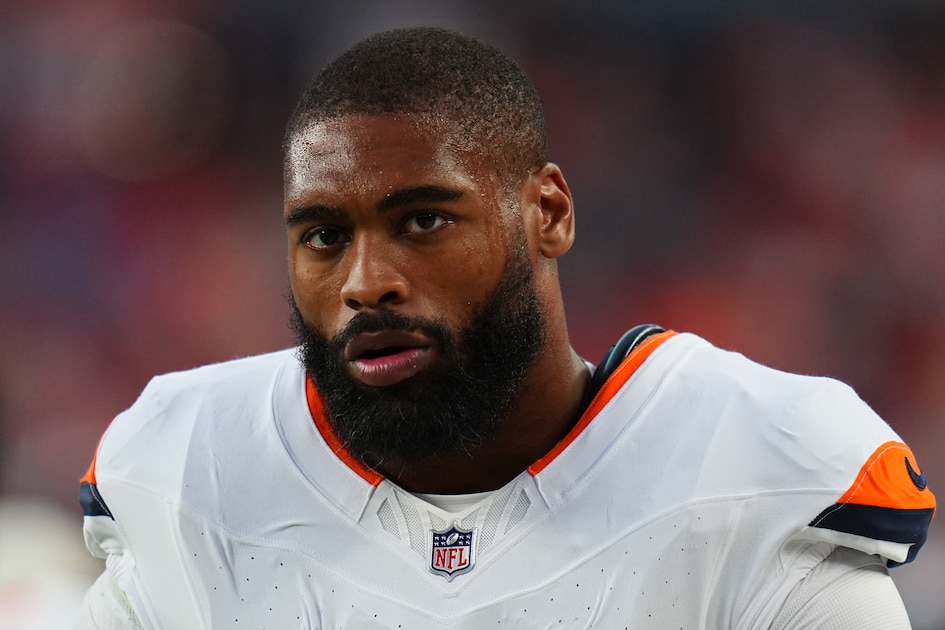
The Broncos walked back onto the practice field this week with a familiar edge rusher in pads and an uncomfortable storyline still hanging over the building. Jonathon Cooper returned to work after months away following his June arrests, and the conversation around Denver immediately shifted from pass-rush rotations to accountability, trust, and what comes next inside a team trying to keep its season from drifting sideways.
Cooper told reporters he is a better person and player after getting help in the aftermath of the arrests, a case that still includes a felony strangulation charge. The football side matters because Cooper has become part of Denver’s defensive identity over the last few seasons. The human side matters more because this is no longer just about sacks and third downs. It is about whether the Broncos believe progress off the field can eventually translate into stability on it.
And in the NFL, every return carries weight.
Bleacher Report and Fox Sports both detailed Cooper’s return to practice this week, his first work with teammates since the June incidents. Denver did not stage some dramatic rollout. No oversized redemption tour. Just a player back in the building, back in drills, trying to re-enter the rhythm of an NFL season while serious legal questions still exist around him. That tension sat over the entire week.
The timing is impossible to ignore. October football is where teams either sharpen into contenders or start hearing draft talk creep into every Sunday broadcast. Denver needs impact players available. Cooper has been one of them when healthy and focused. Edge pressure changes games in this league faster than almost anything outside of quarterback play. One clean win off the line can erase a perfect offensive script.
But this story lives in harder territory than scheme.
NFL locker rooms are built on routine, and routine gets shattered fast when legal trouble enters the picture. Coaches preach distraction-free football every summer. Then reality shows up in the middle of the season wearing handcuffs and headlines. Denver now has to navigate both the football implications and the message sent internally by welcoming Cooper back into the fold while the legal process continues.
That balancing act defines modern NFL culture more than teams like to admit.
Cooper’s comments about getting help landed differently because they were direct. No giant speech. No polished campaign language. Just a player acknowledging change after a deeply serious situation. The Broncos clearly believe there is a path forward here, at least enough to allow him back around the team environment. Whether that path includes full reinstatement into a major role remains an evolving situation.
Every contender says culture matters in August. October is when the receipts come due.
Inside the AFC, where margins already feel razor-thin every week, Denver cannot afford defensive inconsistency. The Broncos know exactly what pressure does to elite quarterbacks late in games. It changes protection calls. It speeds up reads. It forces coordinators into conservative football. Cooper at his best affects all of that. The challenge now is separating the player from the circumstances surrounding him, and that is never as clean as teams hope.
There is also the reality of how quickly NFL narratives flip. One productive game and fans start talking about football redemption. One setback and the scrutiny doubles overnight. Denver is stepping directly into that storm. Every snap Cooper eventually takes will be analyzed through two lenses at once: production and judgment.
That is the real pressure point here.
The Broncos do not need a public-relations win. They need clarity. They need consistency. And they need everyone in the building understanding that talent alone does not settle difficult conversations anymore. The league moved past that illusion years ago. Teams are expected to evaluate behavior, accountability, and public trust alongside sack totals and game tape.
Fox Sports noted Cooper practiced for the first time with teammates since the arrests, and that detail carried significance beyond attendance sheets. Practice is football’s first level of acceptance. It means the organization is willing to reopen the door, at least partially. In NFL terms, that is a meaningful shift.
Now comes the harder part. How teammates respond. How coaches handle questions every week. How the legal process develops. How Cooper handles the spotlight attached to every appearance moving forward. Those answers will shape the Broncos as much as any blitz package.
For Cooper personally, this week represented something rare in pro football: a pause long enough for reflection before the next snap. The NFL rarely slows down for anyone. Injuries get replaced. Roster spots disappear. Storylines move by Tuesday afternoon. Cooper still has a chance to rebuild trust inside a league that usually operates without patience.
Looking Ahead: Denver’s next few weeks will reveal whether Cooper’s return remains limited to practice participation or grows into a larger football role. The Broncos are trying to hold together a defense built around pressure and physicality while navigating one of the most delicate situations any locker room faces during a season. Every move from here carries consequence.
No noise. Just signal.