
 UFC
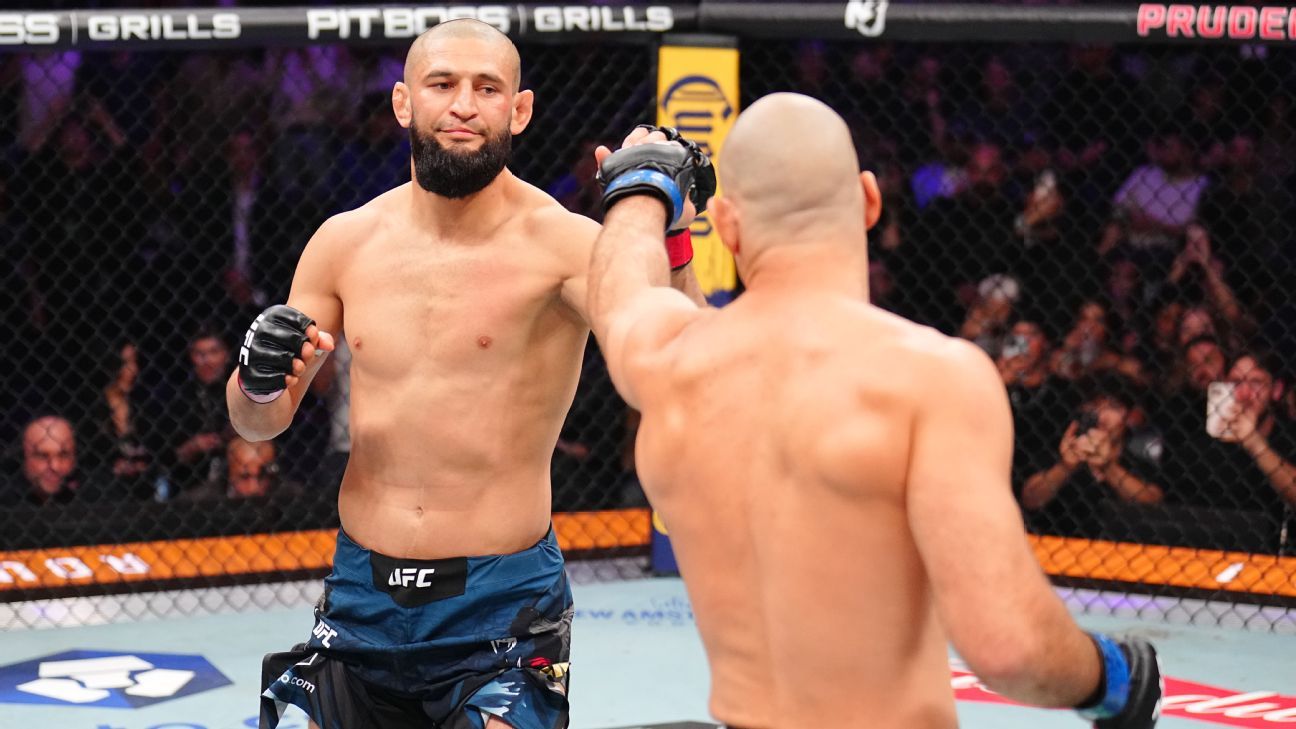
The UFC never stays quiet for long. One interview lands, one callout hits the timeline, and suddenly a division starts vibrating again. This week, the noise came from Khamzat Chimaev. ESPN reported that Chimaev believes he should still be the UFC middleweight champion and wants another fight with Sean Strickland. No soft launch. No careful positioning. Straight to the point. In a sport built on pressure, Chimaev came out throwing it.
That changes the temperature around middleweight immediately. A rematch pitch is never just about revenge in the UFC. It is about unfinished business, market gravity, and control of the conversation. Chimaev clearly thinks the first chapter with Strickland did not settle anything. Fighters say a lot after big moments, but this one lands differently because Chimaev is not framing himself as a contender climbing back. He is talking like a man who believes the belt still belongs in his house.
Short memory? Not in this division.
Middleweight has always run hot when personalities collide, and Chimaev versus Strickland carries a different kind of friction. Neither man operates quietly. Neither man backs away from public pressure. The second Chimaev floated the rematch idea, the fight stopped feeling hypothetical and started feeling inevitable. That is the UFC machine at its best: one pointed statement and the whole weight class starts orbiting around it.
The important part here is not only the challenge itself. It is the posture behind it. Chimaev is planting a flag. Fighters who feel uncertain usually talk about earning another opportunity, taking the next fight, rebuilding momentum. Chimaev skipped all of that language. He went directly at Strickland and directly at the championship picture. That is confidence bordering on territorial instinct, and whether fans agree with him or not, it creates movement.
This division needed movement.
For the UFC, these are the moments that keep a weight class alive between official announcements. A rematch with genuine tension sells itself faster than a fresh matchup with no emotional residue attached. Chimaev understands that. So does Strickland, whether he responds immediately or not. The first fight already built the foundation. The sequel would carry all the extra baggage that makes combat sports addictive: disputed outcomes, pride, rankings, legitimacy, and the old UFC classic — two elite fighters trying to prove the other one never belonged on their level.
And make no mistake, Chimaev is leaning hard into the psychological side of this. Saying he still feels like the champion is not accidental phrasing. That line is designed to pull the conversation away from records and toward perception. In UFC history, perception changes careers almost as fast as wins do. If enough people start debating whether unfinished business exists, the rematch gains oxygen before contracts even hit the table.
Bold callouts are cheap in MMA. Timed callouts are dangerous.
That is why this week mattered. Chimaev did not just ask for another fight. He reopened the argument. Fans are now debating merit, dominance, and whether the middleweight story actually reached a clean ending. Those debates are currency in this sport. The UFC thrives when fans feel emotionally unfinished after a rivalry.
ESPN’s report also reinforces how quickly the middleweight landscape can shift around one voice. One week a division feels stable. The next week a former title challenger is publicly declaring the crown still belongs to him. That volatility is part of what separates UFC matchmaking from more predictable sports structures. A single interview can become the first domino.
The fight game also rewards fighters who refuse to fade into the background after disappointment. Chimaev clearly has no interest in taking the quiet road back. He is choosing confrontation over caution, and historically, that approach gets attention from both fans and matchmakers. The UFC has always favored fighters who create urgency around their own careers.
Strickland now sits at the center of that urgency. Even without a public response yet, his name is attached to the loudest middleweight conversation of the week. That comes with pressure too. Rivalries in the UFC are rarely controlled by one side for long. If Chimaev keeps pushing publicly, the rematch chatter only grows louder.
Looking Ahead: The middleweight division suddenly feels combustible again. Chimaev has made his position crystal clear, and every next step around Sean Strickland now carries extra weight. One interview reopened the door. The UFC decides whether to walk through it.
If you missed it, you’re behind.