
 College Basketball
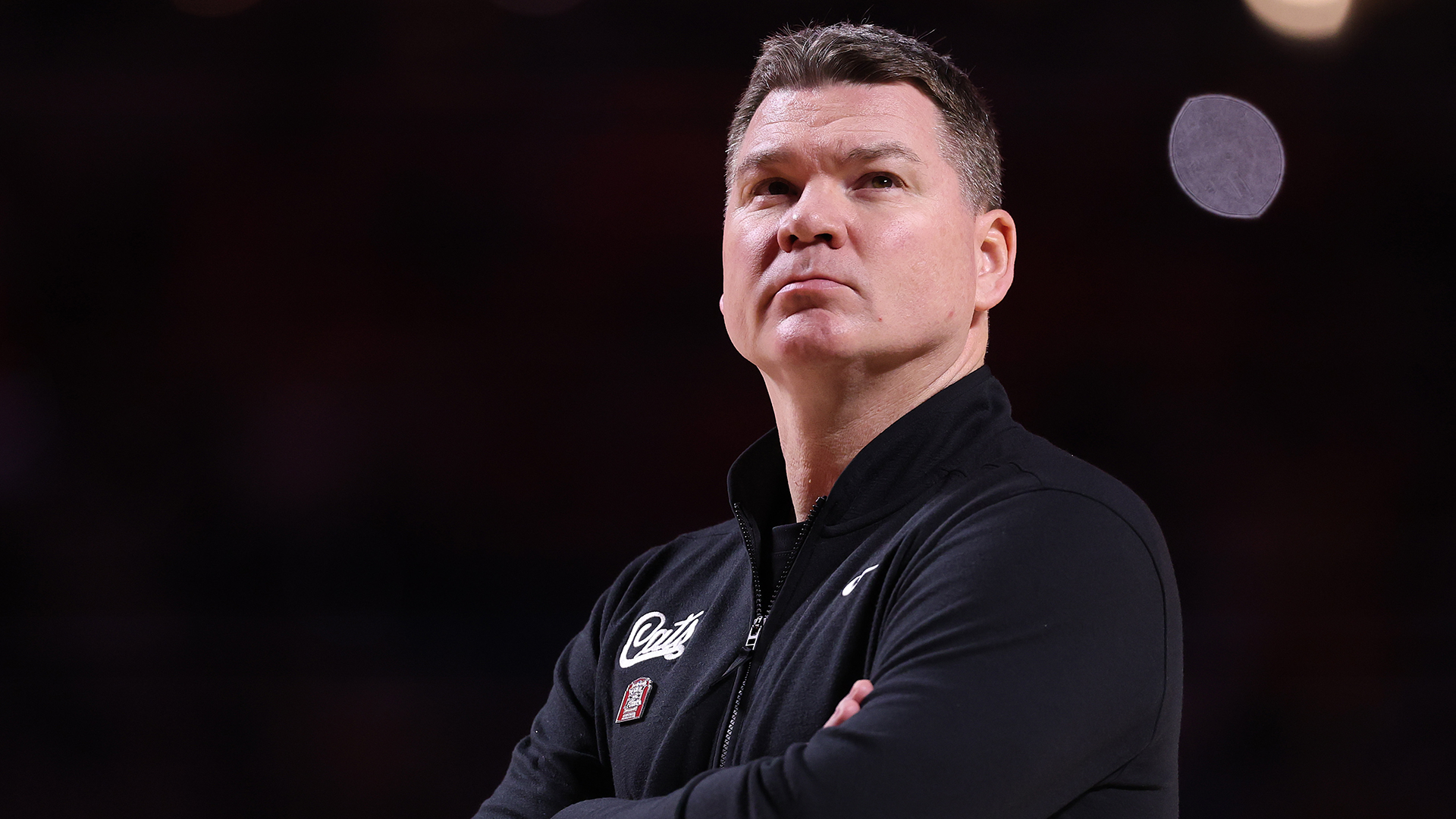
College basketball never really gets an offseason anymore. The games stop. The noise doesn’t. This week, Arizona coach Tommy Lloyd dropped one of the sharper public reads yet on the NCAA’s eligibility mess, and it landed because plenty around the sport are already thinking the same thing. Lloyd told CBS Sports he believes the NCAA is allowing fifth-year eligibility disputes and related cases to drag out while bigger political and legal battles develop around federal legislation.
That is not some random coach venting after practice. That is the head coach at a national program looking at a system that currently changes by lawsuit, waiver, and courtroom timing. The result? A sport where roster continuity, recruiting timelines, and player movement feel less tied to basketball decisions and more tied to legal positioning.
The pressure point here is obvious. Coaches are trying to build rosters while eligibility rules keep shifting in public view. Some players gain extra years. Others wait. Programs operate in uncertainty deep into the calendar. And every delayed ruling creates another crack in what used to be one of the sport’s clearest structures.
One ruling can flip a rotation. One extra season can change a conference race. One unresolved case can freeze a recruiting board.
Lloyd’s comments hit because they arrived at a moment when coaches across the country are quietly recalculating everything from scholarship planning to transfer portal timing. The old model already took a beating from NIL changes and unrestricted player movement. Eligibility ambiguity adds another layer of volatility to a sport that now lives year-round.
CBS Sports framed Lloyd’s theory around the NCAA potentially waiting for federal action rather than aggressively leveling the playing field itself. That idea carries weight because college athletics has spent the past few years reacting instead of leading. Every major shift seems to arrive after legal pressure forces movement. Coaches know it. Administrators know it. Fans definitely know it.
And college basketball feels the impact differently than football. The roster math is tighter. One experienced guard can tilt an entire season. One veteran big staying another year can keep a contender alive in March. These decisions are not sitting at the edges of the sport anymore. They are the sport.
The uncomfortable reality is that uncertainty now functions almost like another recruiting variable. Programs with stability, money, and deep infrastructure can absorb chaos better than everybody else. Mid-major staffs and thinner rosters do not get the same margin for error. A delayed eligibility ruling at a blue-blood program creates headlines. At smaller schools, it can wreck roster construction entirely.
And that’s where Lloyd’s comments carried extra bite. He did not just question the pace of decisions. He challenged the idea that the NCAA is even trying to settle them quickly.
That changes the conversation.
If coaches believe the governing body is strategically waiting for outside legislative help, then every unresolved eligibility case starts looking less accidental and more tactical. Whether that theory proves fully accurate or not, the perception itself matters inside the sport. Coaches recruit off confidence. Players commit off clarity. Right now, neither side has much of either.
The timing also matters because roster-building season never sleeps anymore. The transfer portal changed the rhythm of college hoops. Recruiting classes overlap with retention battles. NIL conversations overlap with eligibility discussions. Coaches used to spend October drilling rotations and defensive coverages. Now they are also monitoring legal interpretations that could affect scholarship counts months later.
That is a different sport than the one the NCAA governed even five years ago.
And fans feel it too. Continuity used to define college basketball identities. Veteran cores grew together over three or four seasons. Now every spring feels like free agency mixed with litigation. The unpredictability can create excitement, but it also creates fatigue. Programs are trying to sell stability in an environment built on rolling uncertainty.
Still, there is another side to this tension. Extra eligibility opportunities have extended careers and opened doors for players who lost development time during previous disruptions. Coaches also benefit from experienced rosters in an era where freshmen rarely stay long enough to anchor programs. The issue is not simply whether players should get additional years. The issue is whether the rules governing those decisions feel consistent and transparent.
Right now, they do not.
Lloyd’s comments cut through because they sounded less like a complaint and more like a warning flare from inside the profession. Coaches can adapt to almost anything. What drives them crazy is operating without a clear map. College basketball currently feels like a sport where the map changes mid-flight.
Looking Ahead: Expect eligibility disputes and federal legislation chatter to stay attached to the sport all season. Coaches will keep building rosters in public uncertainty, and every waiver decision could ripple far beyond one locker room. March always loves chaos. October already beat it there.