
 College Football
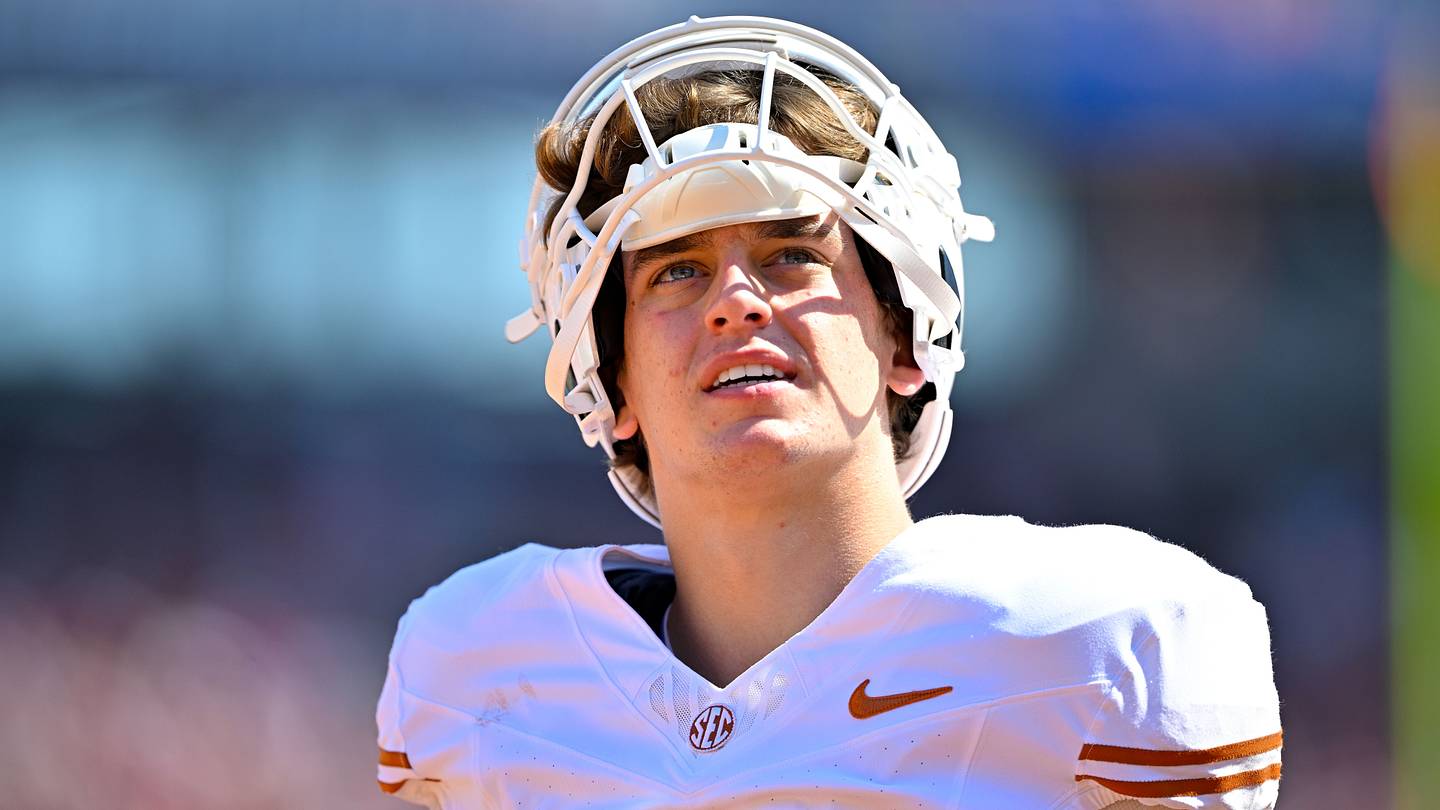
College football loves a coronation. It loves a prodigy, a last name, a quarterback who walks into a stadium already carrying Sunday expectations before the first snap leaves the center’s hand. This week, Sports Illustrated pushed the spotlight even tighter on Texas quarterback Arch Manning, tying his 2027 NFL Draft trajectory directly to a Week 8 showdown with Ole Miss. One game. One SEC stage. One pressure cooker already humming before kickoff.
That’s the reality now. Manning is no longer operating in the soft glow of projection. The conversation has shifted from potential to proof. NFL evaluators, fans, rival fanbases, and every talk show with a ring light are circling the same question: what happens when the hype has nowhere left to hide?
Ole Miss is not being framed as another checkpoint. It’s being treated like a stress test.
That changes the temperature around the entire week.
Sports Illustrated’s framing cuts straight to the nerve center of modern college football. Quarterbacks are judged fast, publicly, and without mercy. Especially quarterbacks carrying a name that already echoes through SEC history. Manning’s appeal has never been difficult to identify. Arm talent. Poise. Visibility. The kind of built-in gravity that turns regular-season Saturdays into national events. But draft conversations harden when elite prospects hit meaningful conference games with real pressure attached. The evaluation stops being theoretical.
And this one comes with layers that feel distinctly SEC. Ole Miss has built a reputation for speed, aggression, and forcing quarterbacks into uncomfortable football. Fast decisions. Tight windows. Momentum swings that can flip a game in two drives. Evaluators love these spots because the environment strips away the easy throws and curated highlight packages. What remains is command.
That’s what this week became.
Not a celebrity watch. A quarterback audit.
The fascinating part is how early the NFL Draft machinery now enters the college calendar. The 2027 draft still sits well beyond this season, yet the discussion already sounds like April war-room language. Ceiling. Processing. Signature moments. Defining tape. Sports Illustrated essentially positioned this matchup as a referendum point, which tells you everything about the scale surrounding Manning’s development.
And fair or not, this is the assignment when the surname on the back of the jersey already carries Hall of Fame weight.
College football has always elevated quarterback mythology, but the modern version moves at warp speed. One elite performance can launch a Heisman campaign before midnight. One uneven showing can fuel seven days of draft skepticism. Manning exists directly in that vortex. Every throw gets clipped. Every mistake loops online. Every poised drive gets folded into long-term projections.
That’s the tax attached to being the center of the sport.
The interesting tension here is that college football people and NFL people often watch these games differently. Fans chase wins, rivalry heat, and statement moments. NFL evaluators watch body language after pressure. Third-and-long mechanics. Response after a turnover. Timing against disguised coverage. The Ole Miss matchup now carries both conversations at once, which is why the spotlight feels unusually intense even by SEC standards.
Sports Illustrated didn’t just point to the game itself. It elevated the stakes around perception. That matters in the current quarterback ecosystem because narratives harden quickly once draft language enters the mainstream. Quarterbacks spend years trying to either validate or escape early labels. Manning now enters a stretch where every marquee SEC appearance can reshape the conversation around his professional ceiling.
And make no mistake, the SEC still functions as football’s biggest proving ground for quarterback evaluation. NFL front offices obsess over how prospects respond to chaos. Crowd noise. Speed. Disguised pressure. Emotional volatility. Games like this become shorthand inside scouting discussions because they offer cleaner answers than nonconference stat explosions in September.
The irony is that Manning’s challenge may actually be surviving the volume of expectation more than the opponent itself. The football world rarely allows highly visible quarterbacks to develop quietly anymore. Patience disappeared from the process years ago. Every national window now feels tied to legacy language. Every big game arrives wrapped in draft consequences.
That’s why this Week 8 spotlight feels heavier than a normal October SEC matchup. It’s not just about Texas. It’s about projection economics, quarterback hierarchy, and the nonstop race to identify the next franchise centerpiece before college careers are even fully formed.
And when Sports Illustrated frames a single game as potentially pivotal to a future draft outlook, the football world listens.
Looking Ahead: The Ole Miss matchup now lands with playoff-style attention attached to every drive. Manning enters the week carrying the loudest microscope in the sport, and the SEC rarely offers soft landings once that spotlight locks in. One October night just became required viewing across college football and NFL circles alike.