
 Tennis
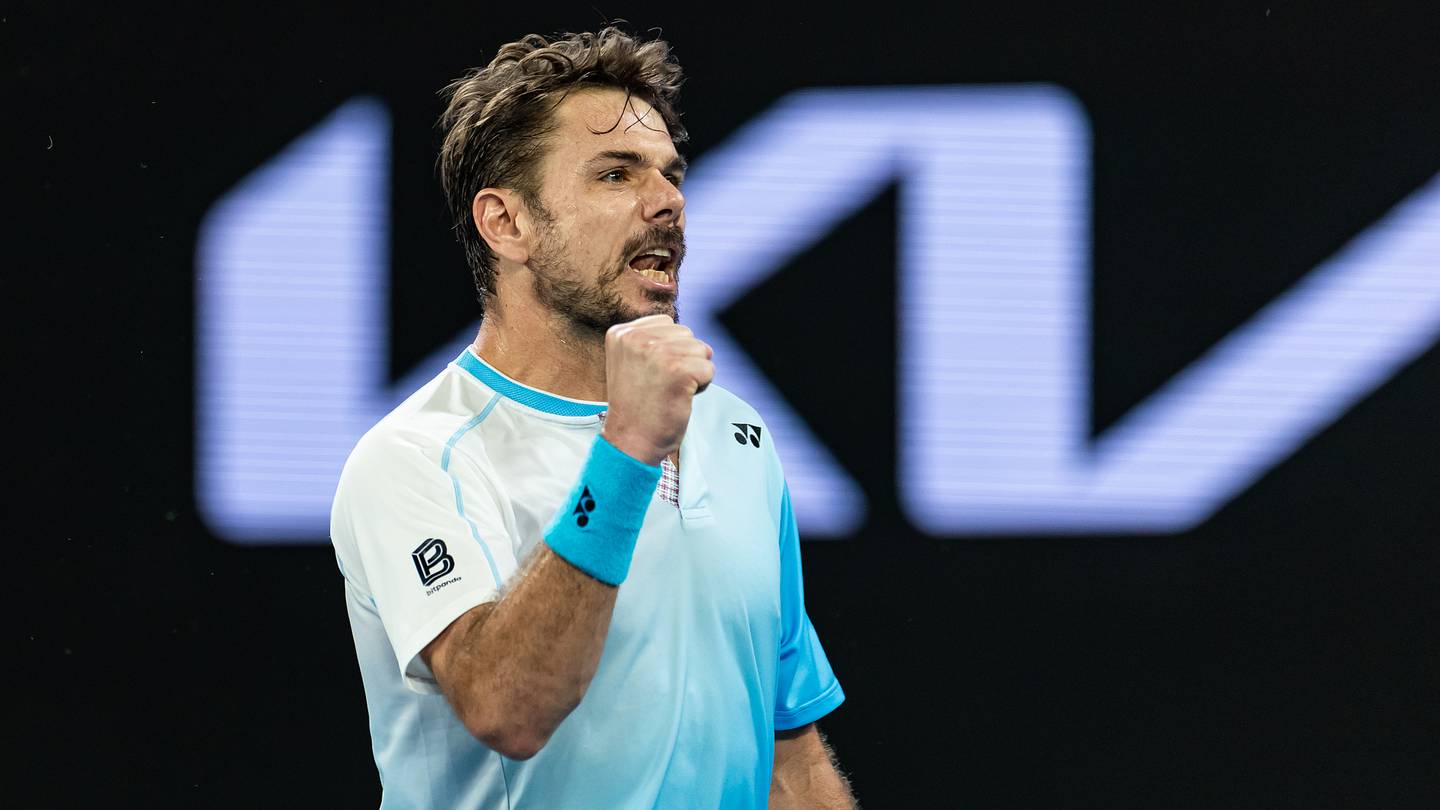
Tennis does not always hand out clean endings. Careers usually drift off somewhere between injuries, rankings slides, and quiet first-round exits on outer courts. Stan Wawrinka gets something different. Basel. Home soil. A final walk through the tunnel where the sport still sounds a little louder and means a little more. Sports Illustrated’s Serve On reported this week that Wawrinka’s career is coming full circle with a retirement tournament in Basel, and the news landed with the kind of weight reserved for players who built eras with grit instead of noise.
The timing feels right because Wawrinka’s career never chased smooth symmetry anyway. It was forged in heavy rallies, late peaks, and pressure moments that looked impossible until his backhand started cracking lines open. Tennis has always loved polish. Wawrinka made a living bringing something rougher and more dangerous onto the court. He turned patience into punishment. He made baseline exchanges feel like trench warfare. And now the final chapter lands in a city that understands exactly what that journey looked like.
One last week in Basel. One last introduction. One more walk to the chair with the crowd leaning forward before the first ball is even struck.
That hits differently in tennis.
Retirement tours in this sport are tricky because the calendar never really slows down for sentimentality. Every week brings another draw, another teenager climbing, another ranking shift. The machine keeps moving. Yet Wawrinka’s farewell cuts through because his career carried a distinct identity. Fans could recognize his tennis from three courts away. The heavy one-handed backhand. The fearless strike patterns. The willingness to trade risk for authority when points got tight. Those traits aged into something rare in the modern game: a veteran who still felt dangerous when healthy enough to swing freely.
Basel also gives the sport a reminder of how much place matters in tennis history. Some venues become extensions of a player’s story. This one now belongs permanently to Wawrinka’s closing scene. Indoor tennis has always amplified atmosphere differently. The sound is sharper. The reactions arrive faster. Every clean strike echoes. A retirement event there will not feel muted or ceremonial. It will feel personal. Fans in the building know they are watching the final pages of a career that survived long enough to become part of multiple generations of the tour.
And survival is the word here.
Wawrinka’s longevity never came packaged as inevitability. It looked earned every season.
That is why this announcement carries emotional pull beyond simple nostalgia. Tennis respects reinvention. Wawrinka embodied it. His career arc proved that timing in this sport is not always linear and greatness does not always arrive early. He became the kind of player opponents dreaded in big matches because his game could suddenly catch fire and flatten an entire draw. There was nothing manufactured about it. No branding exercise. No polished farewell campaign. Just a veteran stepping back onto a familiar court one final time.
Sports Illustrated framed the moment as a career coming full circle, and that phrase lands because Basel represents more than geography. It represents continuity in a sport built around constant travel and relentless turnover. Week after week, airports and hotels blur together for most players. Very few get to close the story somewhere emotionally rooted. Wawrinka does. The sport should appreciate that while it still can.
There is also a broader tennis truth hanging over this farewell week: eras do not disappear all at once anymore. They fade gradually, one familiar figure at a time. Every retirement reshapes the emotional texture of the tour. Wawrinka’s exit removes another player whose style carried unmistakable identity. Younger fans entering the sport now inherit highlights and archived matches instead of live tension and weekly anticipation. That transition always arrives faster than tennis wants to admit.
Still, this does not feel like a funeral lap. Basel sounds more like a celebration of persistence. A reminder that careers built on resilience often leave the deepest marks. Wawrinka was never defined by easy momentum. The appeal came from the fight, the timing, the refusal to disappear quietly when the sport moved on to younger headlines. Tennis crowds respond to that authenticity every time.
Looking Ahead: Basel now becomes more than another tournament stop on the calendar. Every practice session, every warm-up, every point will carry farewell energy around Wawrinka’s final appearance. Tennis rarely pauses long enough to honor its craftsmen properly. Next week, it will.
If you missed it, you’re behind.