
 NBA
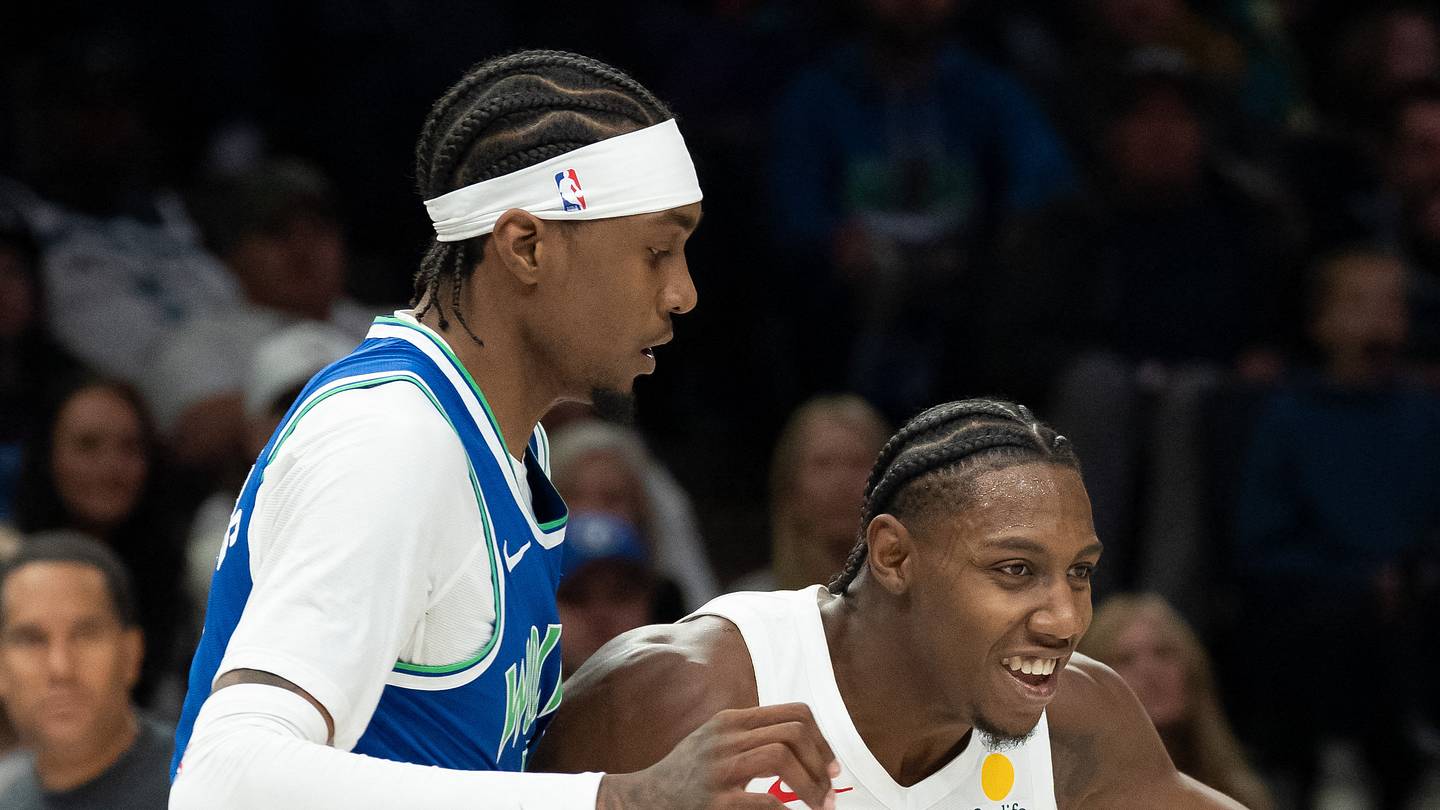
The NBA calendar is still young, but some games arrive with a little extra truth baked into them. Toronto’s loss to Minnesota this week felt like one of those nights. Not panic-button territory. Not season-defining. Just revealing.
Sports Illustrated’s breakdown of the game centered on the Raptors getting outplayed by a Timberwolves team that looked sharper, more settled, and more comfortable controlling the rhythm of the floor. That part matters. Early-season basketball usually lives in chaos — rotations shifting, offenses clunky, timing half a beat late. Minnesota looked organized anyway. Toronto looked like a team still searching for clean answers.
That contrast jumps off the screen.
The Raptors have built their recent identity around energy, length, pressure, and surviving ugly possessions long enough to tilt games with effort. But the modern NBA eventually asks for more than hustle. Every contender reaches the same checkpoint sooner or later: can the offense generate reliable structure when transition chances disappear and the game slows to half-court chess? Against Minnesota, the Raptors looked like a team still wrestling with that question.
And that’s where these October losses start carrying weight beyond a single night.
An early-season game against a Western Conference opponent does not swing playoff positioning by itself. Everybody knows that. But the tape tells stories standings cannot. Minnesota looked decisive. Toronto looked reactive. One side dictated pace; the other spent long stretches trying to recover it.
That’s a dangerous rhythm in today’s league.
The NBA is faster than ever, but the best teams still win through control. Clean possessions. Defensive communication. Knowing exactly where the next pass is supposed to go before the defense rotates. Minnesota’s edge, as highlighted in the Sports Illustrated observations, came from operating with greater composure while Toronto struggled to consistently impose its style.
Short version? The Raptors played uphill.
Those games expose everything. Shot quality. Spacing. Late-clock creation. Defensive discipline after missed looks. Coaches can survive missed shots. What they cannot survive is a team losing its shape possession after possession.
Toronto still flashes the ingredients that make opponents uncomfortable. Length still matters. Activity still matters. Competing every possession still matters. But the Eastern Conference has become ruthless about punishing offensive inconsistency. A team can defend hard for 20 seconds, force a difficult look, then give all of it back with one rushed possession going the other direction.
That treadmill showed up again here.
Minnesota’s ability to stay composed under pressure felt important because it highlighted where Toronto still needs growth. Not cosmetic growth. Functional growth. The kind that separates dangerous teams from genuinely dependable ones.
Every rebuilding or retooling team reaches this stage eventually. The effort standard gets established first. Then comes the harder leap: turning effort into repeatable execution. That second jump is where seasons either accelerate or stall.
The Raptors are still in the middle of that climb.
There’s also a psychological side to these matchups that never fully shows up in box scores. Young or evolving teams can survive losses if the identity remains intact. But when a game starts slipping and the offense loses flow, frustration tends to spread possession by possession. Bad spacing creates rushed decisions. Rushed decisions fuel transition chances the other way. Suddenly a six-point gap feels like fifteen.
Minnesota looked comfortable living inside that pressure. Toronto looked like it was trying to outrun it.
That’s the lesson hiding inside a random week on the schedule.
Sports Illustrated framed the game through observations rather than alarm bells, and that distinction matters. Nobody around the league overreacts to one October result anymore. The season is too long. But smart teams use games like this as diagnostic tests. Which lineups stabilized the floor? Which stretches created quality offense? Which defensive coverages held up when momentum shifted?
Those are the conversations happening inside film rooms right now.
The Raptors do not need perfection. They need clarity. Clearer offensive possessions. Cleaner execution late in sequences. Better control against disciplined opponents that refuse to beat themselves. Minnesota offered a measuring stick, and Toronto came away with work still left on the table.
The East stays unforgiving because there are very few easy nights anymore. Teams that cannot consistently manufacture organized offense eventually get dragged into coin-flip games, and coin flips become exhausting over an 82-game season. Toronto still has enough competitiveness to stay dangerous. The next challenge is becoming steadier.
That’s where real progress starts in this league. Not in highlights. In reliability.
Looking Ahead: Toronto now moves into the next stretch of the schedule needing cleaner offensive rhythm and stronger game control against organized defenses. Early-season lessons can either sharpen a roster or quietly follow it into winter. The Raptors have time. The clock still ticks anyway.