
 F1
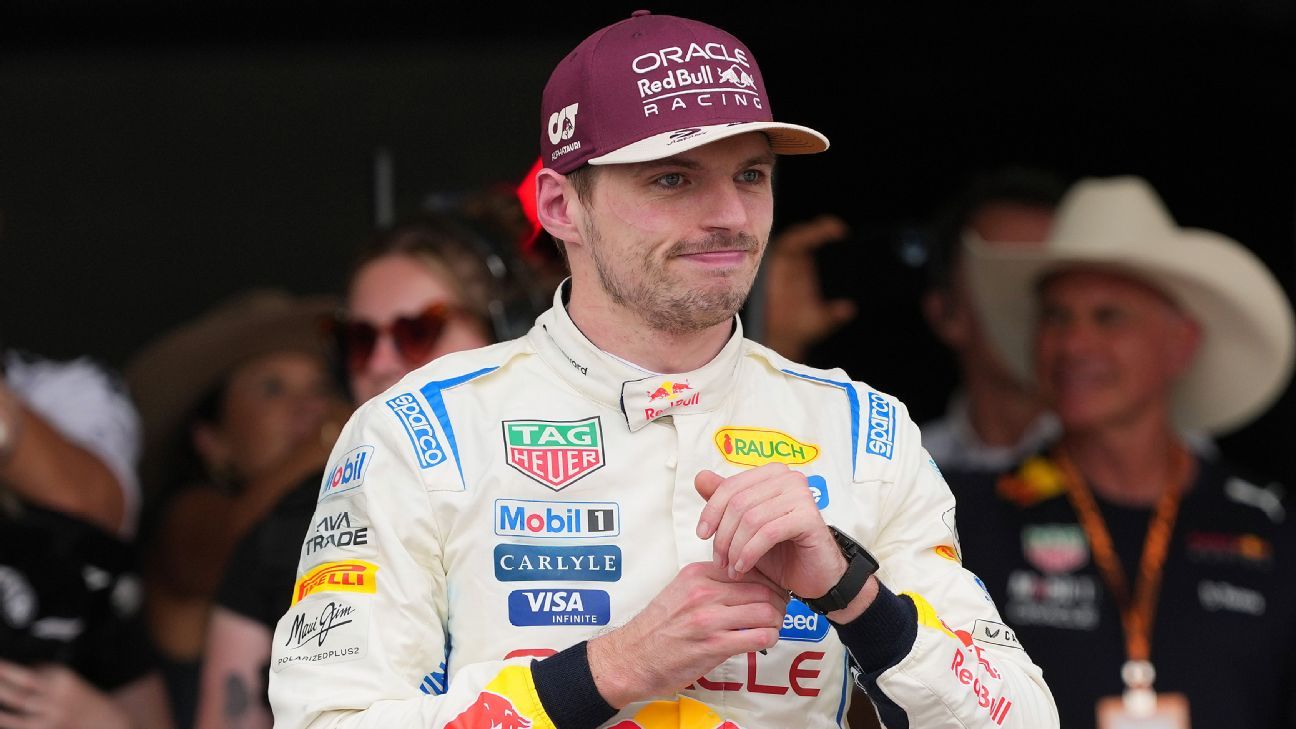
Formula 1 loves precision. Milliseconds. Tire windows. Brake temperatures. Perfectly timed pit calls at 200 miles per hour. Then came Austin, where Red Bull’s team radio sounded less like a title-winning operation and more like a crossed-wire group chat. Max Verstappen still dragged home a podium at the United States Grand Prix, finishing third behind winner Kimi Antonelli, but the story hanging over Circuit of the Americas after the checkered flag was not pace. It was communication. Or the complete lack of it.
Verstappen did not hide the frustration. ESPN and Motorsport.com both detailed the Dutch driver’s irritation with repeated radio failures during the race weekend, with the four-time champion calling the situation “a disaster” and joking Red Bull may need to switch to sign language. Funny line. Real issue. In modern F1, radio traffic is the bloodstream of a race strategy. Drivers need live tire feedback, energy deployment calls, weather alerts, undercut timing, and damage assessments in real time. Lose that connection for even a few laps and the margins disappear fast.
And in Austin, the margins were already razor thin.
Antonelli grabbed the win while Verstappen fought through the static to salvage third. That podium keeps Red Bull visible near the front, but the mood around the team shifted noticeably after the race. The jokes landed because everybody in the paddock understood the edge underneath them. Verstappen rarely wastes words when a championship-caliber operation misses a detail this fundamental.
A fast car can hide a lot. Bad radio traffic is harder to mask.
The timing also matters. The calendar does not ease up at this stage of the season, and operational sharpness becomes the entire game once the grid compresses. Red Bull has built its recent era on ruthless execution. Clean pit stops. Immediate tactical calls. Verstappen reacting instantly because the pit wall feeds him every variable before competitors can counter. Austin cracked that image for a weekend.
There is also a psychological layer developing here. Verstappen’s comment was delivered with humor, but paddocks hear everything twice: once as a joke and once as a warning. Drivers at his level expect frictionless communication. Anything less becomes noise in the cockpit, and noise in Formula 1 turns into lost tenths before anyone notices.
This is the kind of issue that spreads pressure through an entire garage. Engineers start double-checking systems. Strategists hesitate before key calls. Drivers compensate mentally instead of attacking corners instinctively. Tiny delays become race-defining mistakes. Formula 1 punishes uncertainty harder than almost any sport on earth.
Austin exposed how thin the line really is.
The irony? Verstappen still managed to stand on the podium while dealing with the radio problems. That says plenty about the level Red Bull and Verstappen still operate at, even on an imperfect weekend. But podiums can cover up operational bruises only for so long. Rival teams study these weekends closely because vulnerabilities in F1 rarely stay isolated. One shaky race can become a trend if it is not stamped out immediately.
And there is no hiding in this era of Formula 1. Every clipped radio exchange gets replayed. Every frustrated tone gets analyzed. Every sarcastic jab becomes a headline before the freight leaves the circuit. Red Bull knows that. Verstappen definitely knows that.
What made the Austin fallout resonate was the contrast between result and feeling. Third place is objectively solid. Yet the conversation afterward sounded closer to damage control than celebration. That disconnect tells the real story. At the sharp end of Formula 1, teams are judged less by surviving problems than by preventing them from existing in the first place.
One weekend of radio chaos will not derail Red Bull overnight. But in a sport built on synchronization, communication failures hit differently. Drivers trust the wall with strategy, safety, and split-second decisions at full speed. When that trust flickers, even briefly, everybody feels it.
Looking Ahead: Red Bull now heads into the next stretch of the season needing a cleaner operational weekend as much as outright speed. Verstappen remains firmly in the fight at the front, but Austin served as a reminder that championships are not only won through pace. Sometimes they are won through hearing the right voice at exactly the right second.
If you missed it, you’re behind.