
 NBA
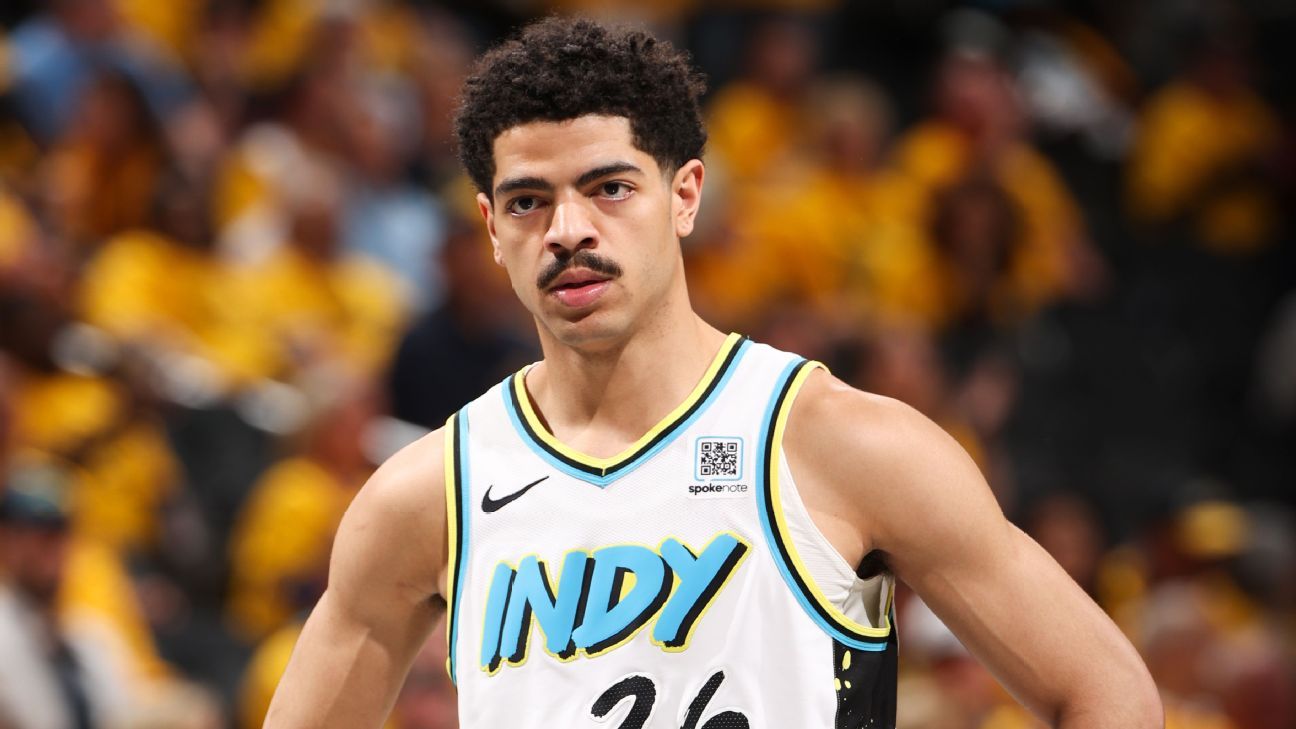
The NBA calendar barely has time to breathe before the injury wire starts throwing haymakers. Indiana felt that punch this week. Ben Sheppard is set to undergo surgery for a torn meniscus on Wednesday, a development first pushed into the cycle by ESPN and FOX Sports. Clean headline. Brutal timing.
This is the kind of update that can disappear nationally in under an hour if it lands next to a blockbuster trade rumor or a 40-point night somewhere else. Inside a locker room, though, it sticks. Rotation injuries always do. Especially for teams trying to build continuity early in the season instead of chasing it in January.
Sheppard’s absence creates a different kind of problem than losing a high-usage star. There is no single stat line to replace. No one player suddenly absorbs everything. Coaches feel these injuries in spacing, second-unit rhythm, defensive assignments, practice reps, trust. The small connective pieces start moving around the board.
And the Eastern Conference rarely waits for anybody.
Indiana now walks into the next stretch with uncertainty hanging over a roster that already needs clean chemistry to maximize itself. Meniscus injuries carry their own timeline questions even before surgery happens. Recovery windows can shift depending on severity and procedure details, and neither ESPN nor FOX Sports reported a return timetable. That leaves the Pacers staring at the classic early-season NBA challenge: survive the ambiguity while trying to avoid digging a standings hole.
That matters in this conference. One rough month can shove a team from playoff comfort into nightly scoreboard watching by spring.
The league’s middle tier has become a knife fight. Margins are thin. Bench reliability matters more than ever because contenders are pacing stars carefully across the schedule while younger teams push tempo and depth every night. Losing a guard who knows the system and fills minutes without drama changes the rotation math immediately.
There is also the human side the league never fully escapes. Young players spend entire offseasons fighting for role stability, then one awkward step or bad twist rewrites the next several months. NBA careers move fast. Recovery periods somehow move slower.
Indiana now has to recalibrate on the fly. The coaching staff will need replacement minutes from somewhere, and the pressure rises instantly on every perimeter player competing for time. That competition can sharpen a roster, but it can also expose thin depth quicker than expected. October and November are supposed to be about experimentation. Injuries turn them into survival drills.
The Pacers are hardly alone there. Every season opens with at least a handful of teams suddenly adjusting plans they spent months building. One medical update changes rotations. Rotations change identity. Identity changes expectations.
That chain reaction is real in the NBA. It shows up by Christmas.
The reporting from ESPN and FOX Sports stayed straightforward: surgery Wednesday, torn meniscus, no extra theater attached. Sometimes that simplicity says enough. There is no spin available when surgery enters the headline. The focus becomes recovery, rehab and roster adaptation.
And make no mistake, this is where organizations quietly earn their reputation. Anybody can talk continuity in media day interviews. The harder task is maintaining it after the first real disruption arrives. Teams that stay steady through injuries usually have clarity in their roles and patience in their building. Teams without those things start chasing answers every other night.
Indiana does not need panic. It needs stability. Different assignment.
The Pacers also face the challenge of protecting momentum before narratives start hardening around them. Early-season discourse in the NBA moves absurdly fast now. A two-week skid becomes a national conversation. A missing rotation piece becomes a referendum on depth. The league’s noise machine never powers down.
So this next stretch matters beyond wins and losses. It is about whether Indiana can keep its structure intact while one of its guards works back from surgery. No team escapes adversity over 82 games. The better ones absorb it without losing their style.
For Sheppard, the immediate priority is obvious: surgery, rehab, return. Meniscus recoveries can vary widely, and until the Pacers provide a clearer timeline, speculation does nobody any good. What is clear already is the timing. The season is young. Rotations are still forming. Opportunities are opening and closing every night.
One injury report changed Indiana’s board this week. The rest of the conference noticed.
Looking Ahead: The Pacers now enter the next phase of the schedule balancing caution with competitiveness while waiting for more clarity on Sheppard’s recovery process. Early standings pressure is real, but so is the opportunity for Indiana’s depth to respond before the season settles into its true shape.