
 NHL
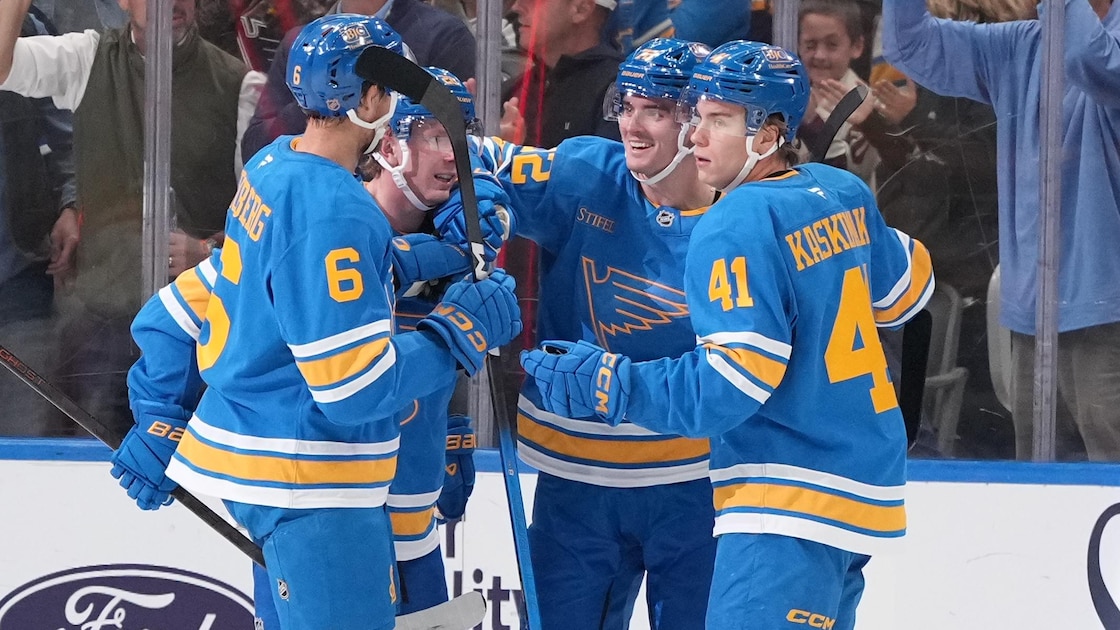
The loudest NHL story this week did not come from a breakaway goal, a blown lead, or a coach firing through gritted teeth in a postgame scrum. It came from the stands in St. Louis. The Blues publicly condemned what the organization described as an antisemitic protest during their game against the Vegas Golden Knights, a moment that snapped the focus away from the ice and dragged the sport into a bigger conversation about arena conduct, league responsibility, and where teams draw the line when hockey culture gets tested.
The response from St. Louis landed fast and direct. No soft wording. No hiding behind vague statements. The organization called out the incident publicly after the protest unfolded during the game against Vegas, a move covered by Bleacher Report and Fox Sports through AP reporting. In a league that often prefers to keep controversies tucked behind “ongoing review” language, the Blues chose a different lane. Clear condemnation. Immediate distancing. Full stop.
That matters in a sport where arena atmosphere is part of the identity. NHL buildings pride themselves on noise, edge, rivalry heat, and fan personality. But this crossed into territory teams cannot afford to shrug off, especially with the league continuing to push for broader growth and a more inclusive public image. Hockey sells intensity. It cannot sell hostility tied to hate.
One ugly moment can hijack an entire game night.
And this one did.
The timing also sharpened the spotlight. Vegas remains one of the NHL’s marquee franchises, a club that consistently draws national attention and traveling support. Any controversy involving the Golden Knights instantly carries more visibility than a random Tuesday matchup buried deep in the schedule. Add social media circulation to the equation and the story moved quickly beyond local coverage. Suddenly, this was not just a St. Louis issue. It became league-wide discussion fuel.
The NHL has spent years trying to modernize its image without losing the edge that makes hockey feel different from every other major sport. That balancing act gets complicated when incidents in the crowd overshadow the game itself. Teams now operate in a climate where fan behavior becomes organizational reputation in real time. Silence reads loudly. Hesitation reads louder.
St. Louis did not hesitate.
The Blues’ decision to condemn the protest publicly also puts quiet pressure on the rest of the league. Not because every franchise faces the same situation weekly, but because the standard shifts once one club responds aggressively and visibly. Fans notice. Players notice. Sponsors definitely notice. The NHL has always been intensely protective of its game-night presentation, from anthem ceremonies to playoff whiteouts to nationally televised rivalry windows. Any disruption that cuts against that image becomes a business issue as much as a cultural one.
And hockey people know how quickly distractions can seep into a room. Coaches hate noise around the team. Front offices hate headlines that drag attention away from the product. Players get asked questions they never expected to answer after morning skate. Suddenly, instead of talking forecheck pressure or special teams, everybody is navigating fallout.
That tension is now sitting over this story.
Details beyond the public condemnations remain limited, and neither report suggested broader disciplinary outcomes were finalized this week. But the reaction itself became the story. The Blues made their position unmistakable. In today’s NHL environment, organizations understand neutrality can become its own headline by sunrise.
There is also a wider reality here for the league. Hockey culture often prides itself on tradition, toughness, and insulating itself from outside noise. But arenas are public stages now in a way they were not twenty years ago. Every incident carries cameras. Every reaction spreads instantly. Every organization gets evaluated on speed, tone, and conviction. The old instinct to “handle it quietly” evaporates once clips and photos hit timelines before the third period ends.
The NHL has worked aggressively to position itself as more global, more accessible, and more connected to younger audiences. Incidents like this test whether that messaging holds under pressure. Fans can separate hard hits from hateful conduct. Teams know the difference too.
This week, the Blues made sure nobody confused the two.
Looking Ahead: The focus now turns toward whether the league or arena officials issue additional responses and whether further details emerge around the protest itself. On the ice, the season keeps grinding forward at full speed, but this story is not disappearing after one news cycle. Around the NHL, teams are paying attention to how quickly one night in the stands can reshape the conversation around the sport.
If you missed it, you’re behind.