
 Soccer
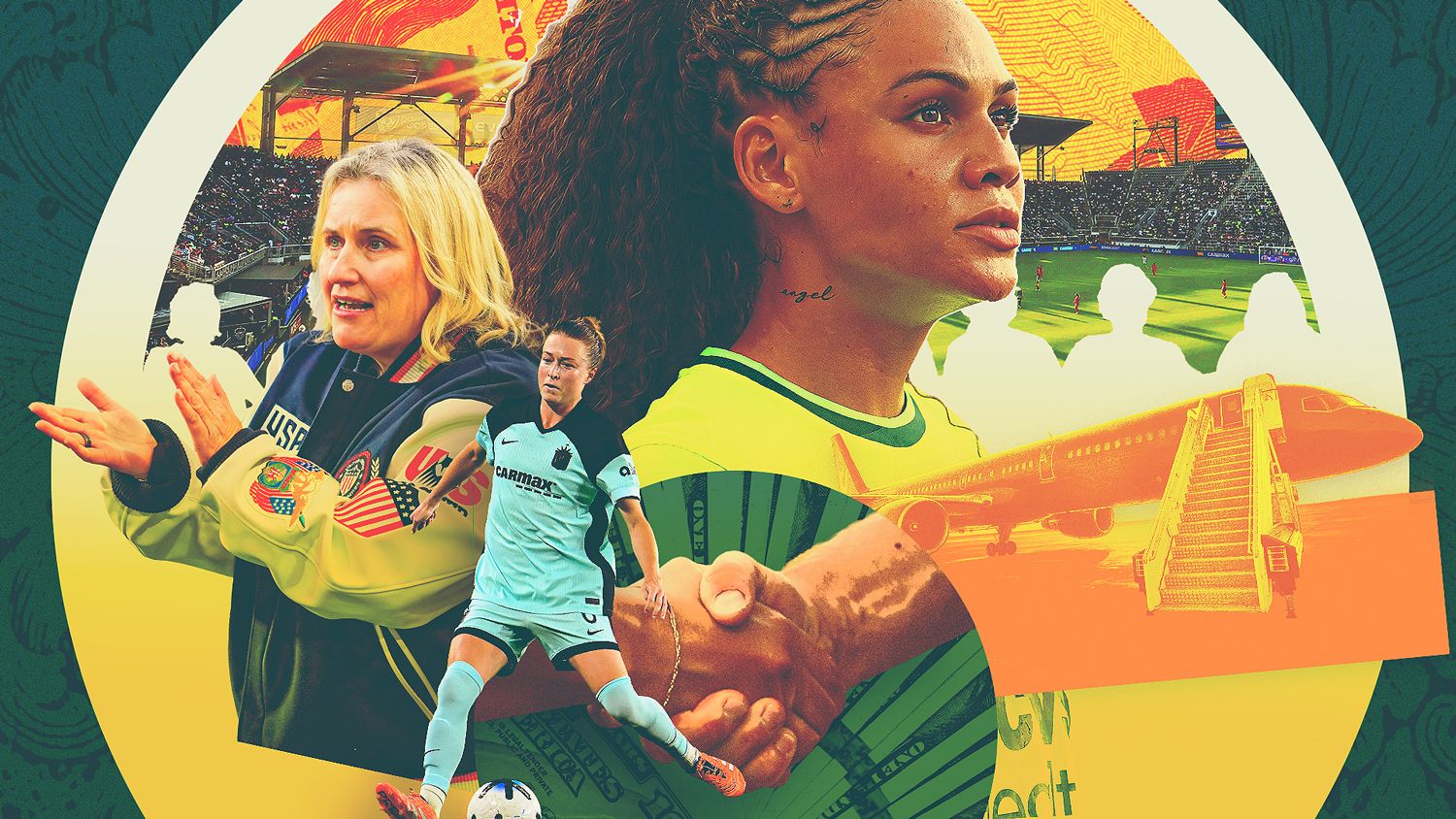
The loudest soccer story of the week came without a touchline eruption, a stoppage-time winner, or a transfer leak blasted across social media. ESPN’s anonymous NWSL general manager survey landed like a dressing-room door kicked open at halftime. Executives around the league talked freely about rule-bending, roster manipulation, the growing influence of star power, and where the U.S. women’s national team actually stands heading toward the next World Cup cycle. The quotes carried the kind of edge usually saved for private calls between front offices. Now it’s public. And the timing feels important.
The headline tension centered on competitive integrity. Multiple executives told ESPN they believe some clubs are still pushing boundaries around league mechanisms and player management. Nobody arrived waving evidence folders. Nobody named names. But the tone was unmistakable: the paranoia level inside the NWSL is climbing. In a league that has expanded rapidly, increased valuations, and sharpened its talent race, every roster spot now feels like a playoff point in disguise. Front offices are no longer operating like startup soccer departments trying to survive. They’re hunting margins.
That changes the temperature of the league.
When rival executives openly discuss teams “cheating” or gaming systems, even anonymously, it signals a competition entering a different financial and cultural tier. The NWSL has spent years fighting for credibility, stability, and investment. Now it has something else: pressure. Real pressure. The kind elite leagues carry when everyone believes the stakes are finally worth bending rules for.
Then came the “Rodman Rule” conversation, which sounds hypothetical until you read between the lines. Trinity Rodman’s stature continues to reshape how clubs and league officials think about star retention, compensation structures, and player movement. ESPN’s survey reflected a growing belief that the league may eventually need mechanisms specifically designed to keep transformational American stars in-market and in-league.
That is not a small shift.
For years, the NWSL conversation revolved around survival economics. Now executives are discussing how to protect premium talent before global clubs come calling harder and louder. Rodman represents more than elite production. She is visibility, sponsorship gravity, and identity. The mere idea of a “Rodman Rule” tells you the league sees certain players as ecosystem-level assets now, not just roster pieces.
And hanging over all of it is the USWNT question.
The survey dug into expectations for the national team ahead of the next World Cup cycle, and the responses sounded measured rather than blindly confident. There’s still respect for the talent pool. Plenty of it. But there’s also acknowledgment that the rest of the world is no longer chasing from two steps behind. The global game has tightened. Investment has spread. Tactical sophistication is no longer concentrated in a handful of federations. That old aura of inevitability around the United States? It doesn’t land the same way anymore.
That honesty might actually help.
American soccer conversations often swing between coronation and panic with almost no middle ground. The executives quoted by ESPN seemed more interested in realism. Development pathways matter. Coaching matters. League quality matters. And the NWSL’s ability to retain top-end talent matters more than ever if the USWNT wants its domestic pipeline to stay sharp under pressure.
One quiet thread running through the survey carried real bite: trust inside the league office ecosystem feels fragile. Expansion and growth create opportunity, but they also create suspicion. Clubs want advantages. Owners want returns. Executives want flexibility. The challenge for the league is obvious now. Push too hard on restrictions and teams complain ambition is being capped. Leave gray areas untouched and rivals start whispering about manipulation.
That balancing act is where mature leagues either stabilize or start eating themselves alive.
Still, the overall picture is not doom and gloom. Far from it. The fact that executives are arguing over competitive edges instead of existential survival says plenty about how far the league has come. The NWSL is no longer begging for relevance. It’s wrestling with power dynamics, talent economics, and competitive credibility. Those are major-league problems.
And the soccer itself keeps rising underneath all of it.
The survey also reinforced how interconnected the women’s game has become globally. The old assumption that elite American players would automatically stay home feels increasingly outdated. Europe’s pull remains strong. Financial gaps remain real. The NWSL can sell intensity, travel atmosphere, and competitive depth, but retention battles are becoming year-round contests now. Front offices know it. Agents know it. Players definitely know it.
Looking Ahead: the next phase for the NWSL is less about proving legitimacy and more about managing ambition without losing trust. Expect league-rule debates to get louder, not quieter, especially as star-player economics evolve and World Cup expectations sharpen around the USWNT. The football is growing fast. The politics around it are growing even faster.
If you missed it, you’re behind.