
 UFC
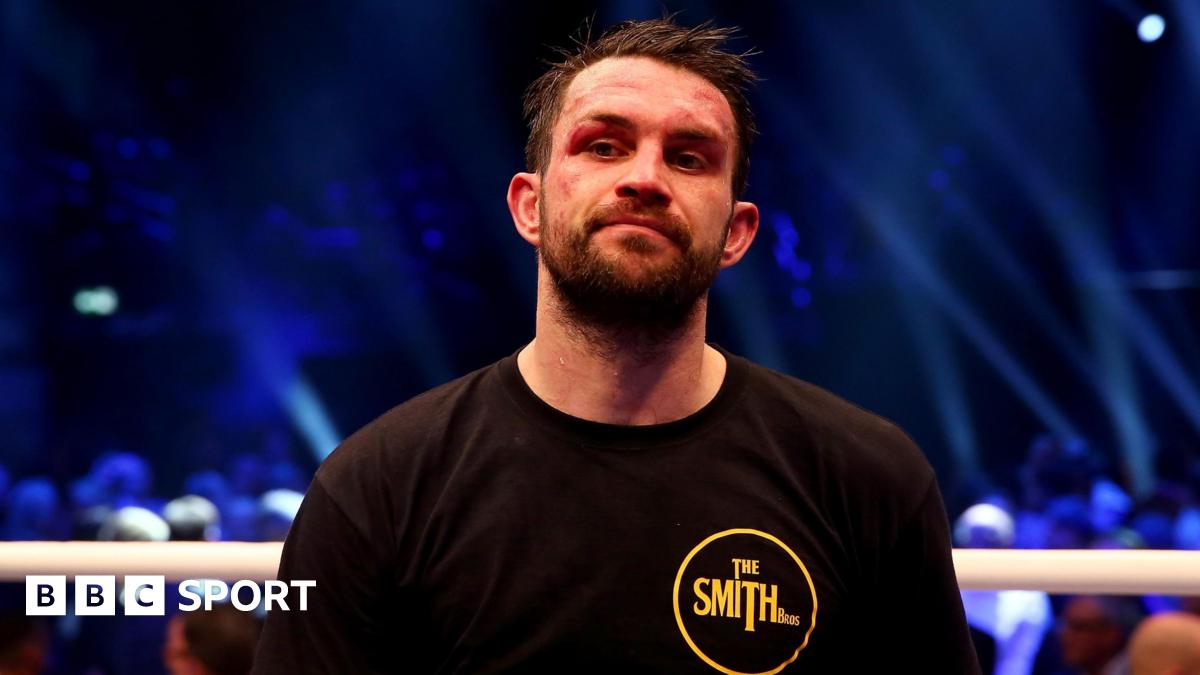
The fight business loves the highlight reel. Flash knockouts. Walkouts with smoke pouring through the tunnel. Gold around the waist. But this week, BBC Sport dropped the camera lower and closer to the canvas. Former boxer Paul Smith delivered a sharp warning about fighters being “hurt, exploited or forgotten” inside what he called a failing system, and the quote landed with real force across combat sports.
Not because the argument is new. Because the timing hit different.
Combat sports keep growing. Bigger gates. Bigger streaming deals. More cards stacked into the calendar. Yet the conversation around fighter care never really leaves. It circles every major promotion like a cut that keeps reopening. Smith’s comments pulled the focus away from title chatter and straight onto the people absorbing the damage.
That part of the game never trends for long.
Smith’s criticism, published by BBC Sport, centered on the long-term treatment of fighters and the gaps that appear once the lights fade. The language was blunt. Fighters being “exploited and forgotten” is not the kind of phrasing that slips quietly through a news cycle. It sticks because everyone around combat sports understands the tension built into the business. Fighters chase opportunity while promotions chase momentum. Sometimes those tracks align perfectly. Sometimes they leave people behind.
And in MMA circles, the conversation always carries extra edge because of how brutal the sport can get. Smaller gloves. Relentless schedules. Weight cuts that turn fight week into survival mode before the cage door even shuts. Fans celebrate toughness because toughness is part of the deal. But the modern fight economy keeps asking for more rounds, more appearances and more visibility while scrutiny around long-term care grows louder.
The old code in combat sports says fighters know the risks.
The newer question is whether the system does enough once those risks cash in.
That tension hovered over the entire week. Smith’s comments did not arrive as a random complaint tossed into the void. They landed in a climate where athlete health, post-career support and pay structure remain constant friction points across the fight world. Even outside boxing, the themes sound familiar. Fighters build promotions with their bodies. They create viral moments, headline arenas and drive subscriptions. Then the clock moves fast. One bad stretch. One rough injury. One stalled contract negotiation. The game can get cold in a hurry.
The BBC Sport piece pushed that reality back into open air.
There is also a cultural split at work here. Fans love authenticity in fighters. They want grit, sacrifice and willingness to push through damage. Promotions market that edge constantly because it sells. Yet the same toughness that creates stars can make vulnerability invisible. Fighters often compete hurt. Train hurt. Negotiate hurt. Then disappear quietly once the momentum dries up.
That cycle has become impossible to ignore.
Smith’s warning carried weight because it came from someone who understands the machinery from the inside. Not an outside critic firing blind shots. A former fighter speaking directly about the cost attached to surviving the business. Combat sports has always celebrated durability. The harder conversation is what durability extracts over time.
This week did not bring a giant title fight or a blockbuster announcement that hijacked headlines. Instead, it delivered something more uncomfortable. A reminder that the fight game’s biggest issue may not live inside the cage at all. It lives in the structure around it.
And fans are paying closer attention now.
That shift matters. Conversations that once stayed buried in gyms and locker rooms now move fast online and across mainstream outlets. Every time a former fighter speaks openly about neglect, exploitation or long-term damage, the pressure builds a little more. Promotions can control matchmaking. They cannot fully control perception once fighters start publicly describing the cracks.
The UFC world, boxing world and broader MMA scene are all connected by that reality. Different rule sets. Same physical toll.
Looking Ahead: The next few weeks will show whether Smith’s comments spark wider pushback from fighters, trainers and promoters or fade into the endless churn of fight news. Combat sports never stays quiet for long, but this issue keeps returning because the stakes are written directly onto the athletes themselves. In a business built on toughness, the loudest story this week was about what happens after the punches land.