
 F1
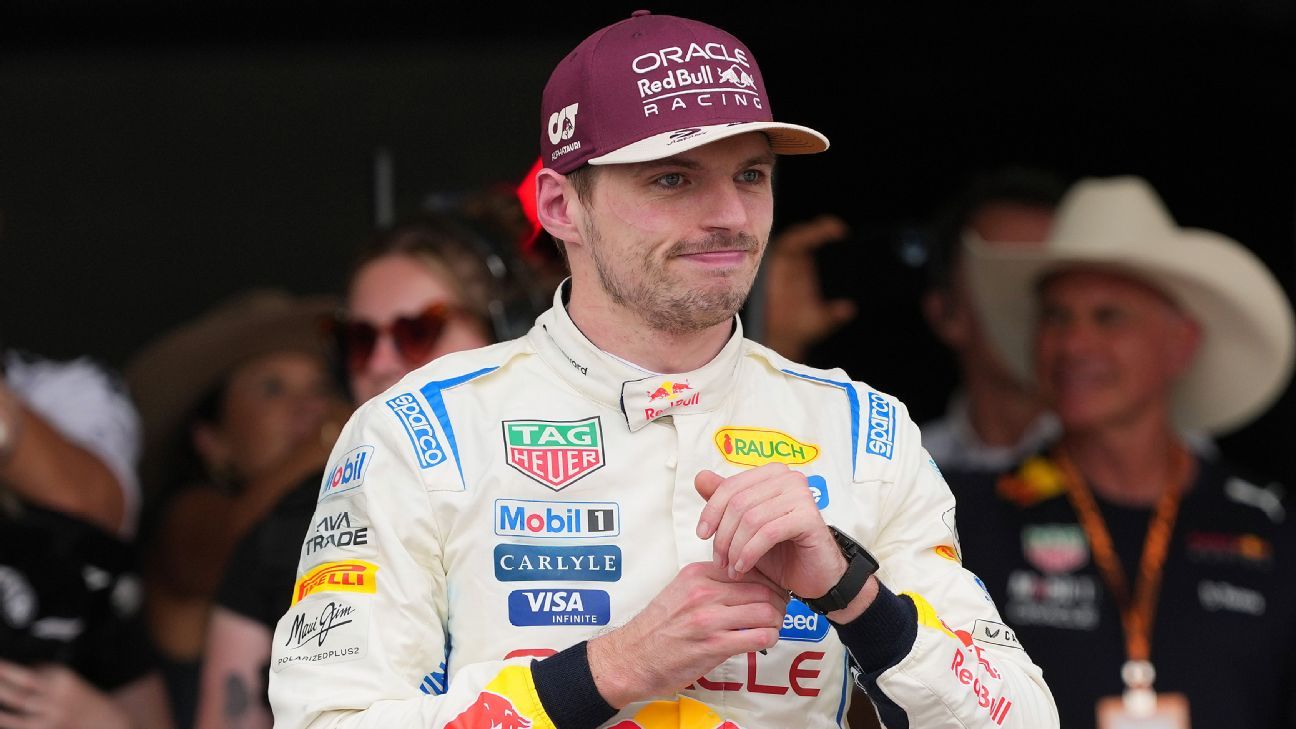
Formula 1 runs on milliseconds, coded language, and absolute clarity at 200 mph. So when the radio starts sounding like a busted headset at a pickup game, the whole paddock notices. Max Verstappen made sure of that after the United States Grand Prix in Austin, where Red Bull’s communication issues turned into the story hanging over an otherwise solid podium finish.
Verstappen finished third at Circuit of the Americas behind race winner Kimi Antonelli, but the bigger headline came after the checkered flag. ESPN and Motorsport.com both detailed Verstappen’s frustration with repeated radio problems during the weekend, with the Dutch driver joking Red Bull might be better off switching to sign language. Funny line. Real issue.
Because in modern F1, team radio is not background noise. It is race strategy, tire management, energy deployment, traffic calls, safety warnings, and damage control rolled into one nonstop stream. One missed instruction can blow an undercut. One delayed message can wreck an entire stint.
And Red Bull suddenly sounded messy.
The timing lands awkwardly for a team that built its dynasty on precision. Verstappen still dragged the car onto the podium, which says plenty about his level right now, but the Austin weekend exposed friction in a place Red Bull rarely leaves exposed. Elite teams survive pressure because communication stays clinical even when the race does not. Austin felt different. Choppy. Frustrated. Slightly off-beat.
Verstappen did not explode publicly. That is what made the comments hit harder. The tone carried the kind of sarcasm drivers use when irritation has been simmering for more than one session. Motorsport.com noted the repeated failures over the weekend, while ESPN framed the exchange around Verstappen’s post-race humor. In the F1 paddock, jokes usually arrive attached to a message.
The message here was simple: clean this up.
Small cracks get amplified late in a season. Every radio dropout becomes a talking point. Every missed instruction starts sounding bigger than it is. The sport operates in microscopic margins, and Red Bull knows that better than anyone after years spent turning operational sharpness into trophies.
Austin also delivered an uncomfortable contrast. Antonelli took the win while Red Bull wrestled with internal static. No panic required. But the visual mattered. One garage looked composed. The other spent part of the weekend fighting its own equipment.
That sticks.
Verstappen’s ability to still bank a podium through the noise says plenty about why he remains the grid’s benchmark. Drivers talk constantly about rhythm inside the cockpit. Radio interruptions wreck rhythm. They break concentration. They force repeat confirmations at speeds where focus already runs razor-thin.
Yet Verstappen kept grinding laps, kept extracting pace, and kept Red Bull in the fight. That part almost gets overlooked because the quotes were sharper than the result.
But the result counts too.
Third place on a compromised weekend is exactly how championship campaigns stay alive. Ugly weekends become damaging only when points disappear with them. Red Bull escaped Austin with silverware and a reminder that operational details still decide races even when raw pace looks strong.
There is also a wider F1 reality here. Team radio has become part race control, part entertainment product. Fans hear everything now — frustration, confusion, strategy debates, sarcastic comments fired out mid-corner. The Verstappen remarks spread quickly because modern Formula 1 broadcasts every crackle and every complaint straight into the global conversation.
That changes pressure dynamics inside teams. Problems no longer stay internal for long.
And Red Bull’s radio issues are not the kind of thing rivals ignore. The paddock hunts weakness aggressively. If competitors sense operational instability, even temporary instability, they push harder on strategy calls and race management. Elite teams smell hesitation the way drivers smell rain clouds over Turn 1.
For Verstappen, the challenge now becomes balancing irritation with momentum. Austin did not look like a collapse. It looked like a warning light blinking on a dashboard that normally stays dark. The four-time champion remains brutally efficient behind the wheel, but Formula 1 history is full of title defenses that slowly unraveled through tiny operational errors before anyone realized the trend was real.
Red Bull has built its recent dominance on eliminating exactly these kinds of distractions.
Now the radios are the distraction.
Looking Ahead: The next race weekend suddenly carries extra scrutiny around Red Bull’s garage communication. Every engineer exchange will get monitored. Every radio crackle will become a social clip within seconds. Verstappen still has the speed. Red Bull still has the machinery. But after Austin, silence might actually sound healthier than static. If you missed it, you’re behind.