
 NBA
October 2026
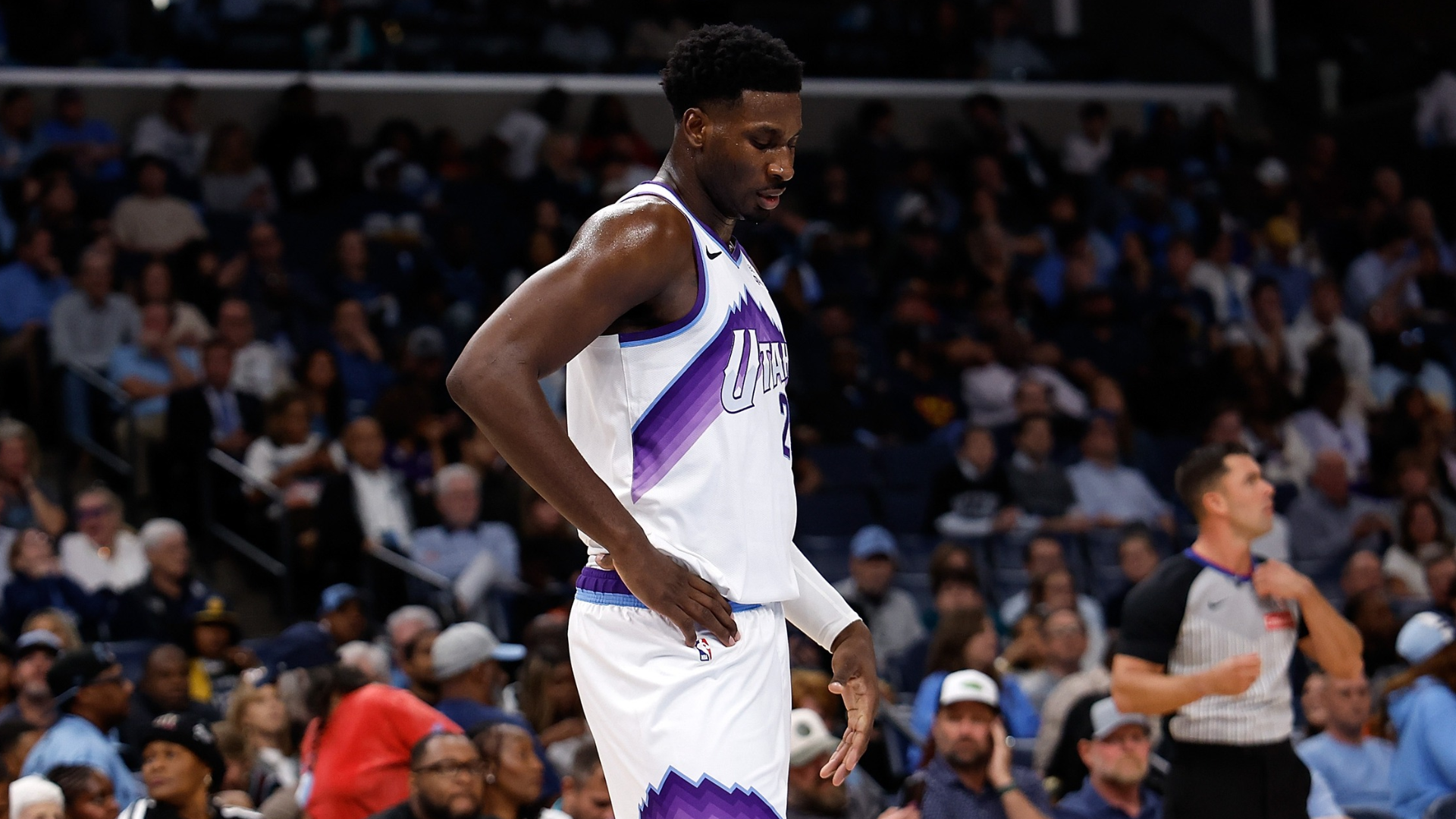
Four games into the season and the Utah Jazz already look like a team trying to patch a leak with duct tape. Jaren Jackson Jr. is expected to miss at least six weeks with a knee injury, with NBC Sports reporting the big man suffered a torn MCL. CBS Sports added the timeline could stretch into the six-to-eight-week range. Either way, the timing could not hit harder. Utah already reshaped its frontcourt before the season, moving Walker Kessler and betting on a new interior identity. Now the Jazz are staring at a calendar that suddenly feels very long.
This is the kind of injury that changes the temperature around a franchise overnight. Jackson was not brought in to be a role-player patch job. Utah needed his rim protection, weak-side chaos and floor-spacing ability to stabilize both ends. Instead, the Jazz are back in emergency mode before Halloween decorations come down.
And in the West, early losses stick to your shoes.
The immediate concern is depth. CBS Sports pointed directly at Utah’s thinning frontcourt after the Kessler move, and that reality is already staring the Jazz in the face. Jackson’s versatility was supposed to cover cracks. He can switch, recover, contest at the rim and still punish defenses offensively. There are not many bigs in the league who erase mistakes while also stretching the floor. Utah just lost that safety net.
The ripple effects go beyond one lineup card. Lauri Markkanen now carries even more offensive gravity every night. Opposing teams can load up differently when Jackson is unavailable, especially in half-court sets where his spacing matters. The Jazz suddenly look smaller, less flexible and far easier to pressure physically.
This is where seasons drift if teams are not careful.
The brutal part? Utah had barely started gathering information about what this roster could become. Four games is not enough time to establish rhythm, identity or rotations. Now the coaching staff is forced into improvisation mode immediately. Minutes get redistributed. Matchups get tougher. Development timelines speed up whether players are ready or not.
A six-week absence in January feels survivable. A six-week absence in October and November can hijack the foundation of the season before teams even settle into routines. The Western Conference does not hand out sympathy possessions. Lose ground early and suddenly every road trip feels like scoreboard watching by Christmas.
Jackson’s defensive value especially looms here. Utah’s margin for error shrinks dramatically without his ability to clean up possessions around the basket. Rim protection is not just about blocked shots; it changes how opponents attack. Drivers hesitate. Guards pull up earlier. Offensive spacing warps because elite interior defenders bend decisions before the play fully develops. Jackson gives teams second thoughts. Without him, Utah risks becoming easier to attack possession after possession.
And that pressure compounds fast on younger rotations.
NBC Sports described the injury as a torn MCL, a diagnosis that at least provides some timetable clarity compared to the uncertainty that often follows early-season knee injuries. Still, knee recoveries for big men are always delicate territory. The Jazz do not just need Jackson back. They need him explosive, mobile and willing to trust the joint defensively when the schedule tightens later in the year.
That balance becomes the organization’s challenge now. Push too hard and risk long-term issues. Play it cautiously and the standings can start drifting out of reach before winter. There is no clean answer.
Utah also now faces the reality of roster evaluation under stress. Injuries expose the true shape of teams faster than any analytics report ever could. Frontcourt depth that looked manageable in preseason suddenly gets tested possession by possession. Rebounding assignments become survival drills. Foul trouble becomes dangerous instead of annoying. One injury starts changing substitution patterns by the second quarter.
The Jazz are not the first team to absorb an early hit, and they will not be the last. But this one lands differently because of the timing and roster construction attached to it. The Kessler move already invited scrutiny. Fair or not, every Utah frontcourt struggle over the next month now gets viewed through that lens.
That is the pressure attached to aggressive roster swings in the NBA. When the fit works, executives look visionary. When injuries arrive early, the microscope turns brutal fast.
Looking Ahead: Utah now enters a critical stretch searching for stability without one of its most important defensive anchors. The Jazz need enough wins to stay connected in the West while protecting Jackson’s long-term health. That balancing act starts immediately. The schedule does not care about recovery timelines.
If you missed it, you’re behind.