
 MLB
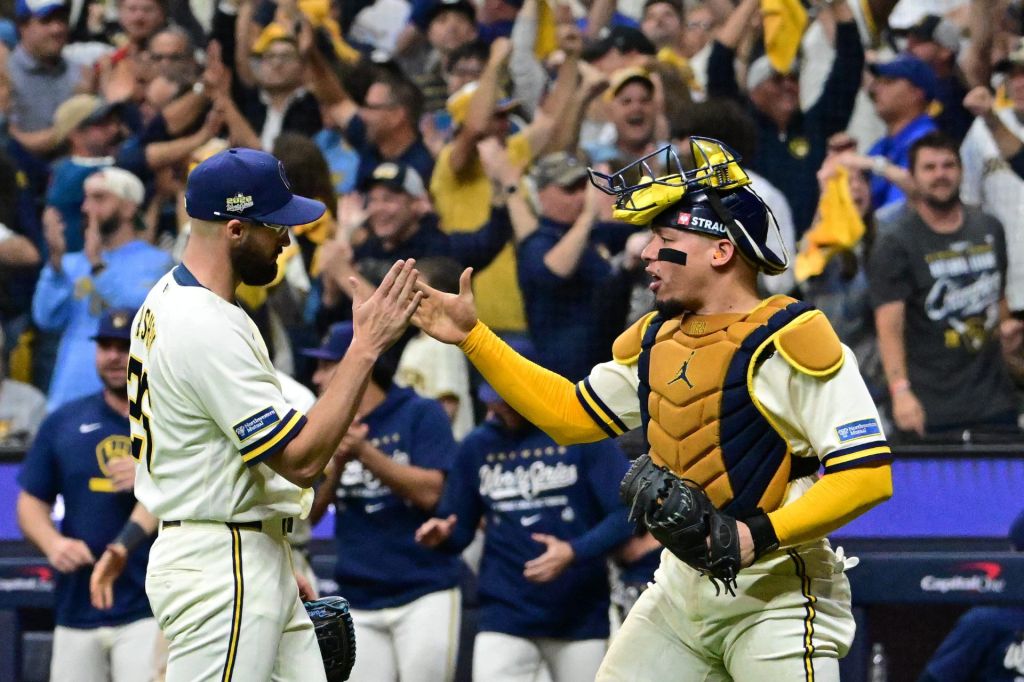
Baseball spent years hearing the same tired line: the game is too regional, too slow, too buried under football season to own the national spotlight in October. Then this World Series came along and cracked that script with a fastball at the letters. Front Office Sports reported that television viewership for the Fall Classic blew past expectations, a sharp swing for a league that has spent the last several postseasons fighting through debates about audience erosion and attention span economics. The timing could not be cleaner for MLB. October baseball suddenly looked loud again.
That changes the conversation around the sport in a hurry.
The ratings surge lands at a moment when baseball has been searching for proof that its recent momentum is real and not just a summer blip. The league has pushed pace-of-play changes, leaned harder into star marketing, and tried to make October feel less like a niche product and more like appointment television. This World Series appears to have rewarded that bet. Front Office Sports framed the audience jump as a major surprise relative to expectations entering the matchup, and Yahoo Sports amplified the same takeaway. The signal here is obvious: people showed up.
And they stayed.
That matters inside front offices, network offices, and ownership suites all at once. Television still drives the sport’s economic engine, especially in October when every inning carries national weight instead of local-market loyalty. Strong ratings do more than create a good headline. They strengthen MLB’s hand in future media conversations and reinforce the idea that postseason baseball still has gravity in an increasingly fragmented sports calendar. Football dominates Sundays. Basketball owns social clips. Baseball just reminded everyone that playoff tension over nine innings still hits different when the games feel enormous.
The broader baseball angle is hard to miss, too. For years, the sport has wrestled with a perception problem. Younger audiences. Streaming habits. Marketability debates. Endless discourse about whether baseball could still cut through culturally the way it once did. A postseason ratings jump does not erase every long-term question, but it does hammer home one point: meaningful October baseball remains one of the cleanest drama products in American sports. Every pitch slows the room down. Every managerial move becomes a conversation. Every late-inning swing carries enough emotional weight to freeze an entire stadium.
That tension translated through the screen.
The league also benefits from this carrying over into the offseason cycle. Baseball is built differently from the NFL machine. Momentum matters more because the calendar stretches so long. A postseason that captures viewers creates oxygen for winter meetings, free-agency chatter, trade speculation, and spring anticipation. MLB does not just want people watching the World Series. It wants those viewers hanging around through February. Ratings like these help keep the engine warm.
There is also a competitive edge to all of this. National relevance changes how teams, players, and markets are discussed. Clubs that reach October on a visible stage gain more than postseason revenue. They gain footprint. They become part of the larger sports conversation instead of existing inside regional silos. That carries into merchandise, sponsorships, and player visibility. October exposure can reshape how a franchise is viewed for years. A World Series that overdelivers commercially gives the entire league more runway heading into 2027.
Baseball needed a postseason with pulse. It got one.
Looking Ahead: MLB now turns toward the offseason with actual momentum instead of manufactured optimism. Owners will watch the ratings data closely. Networks will too. The challenge is obvious now: turn one strong October into a trend instead of a one-year spike. The league has the audience’s attention again. Winter gets a lot more interesting when that happens.