
 Tennis
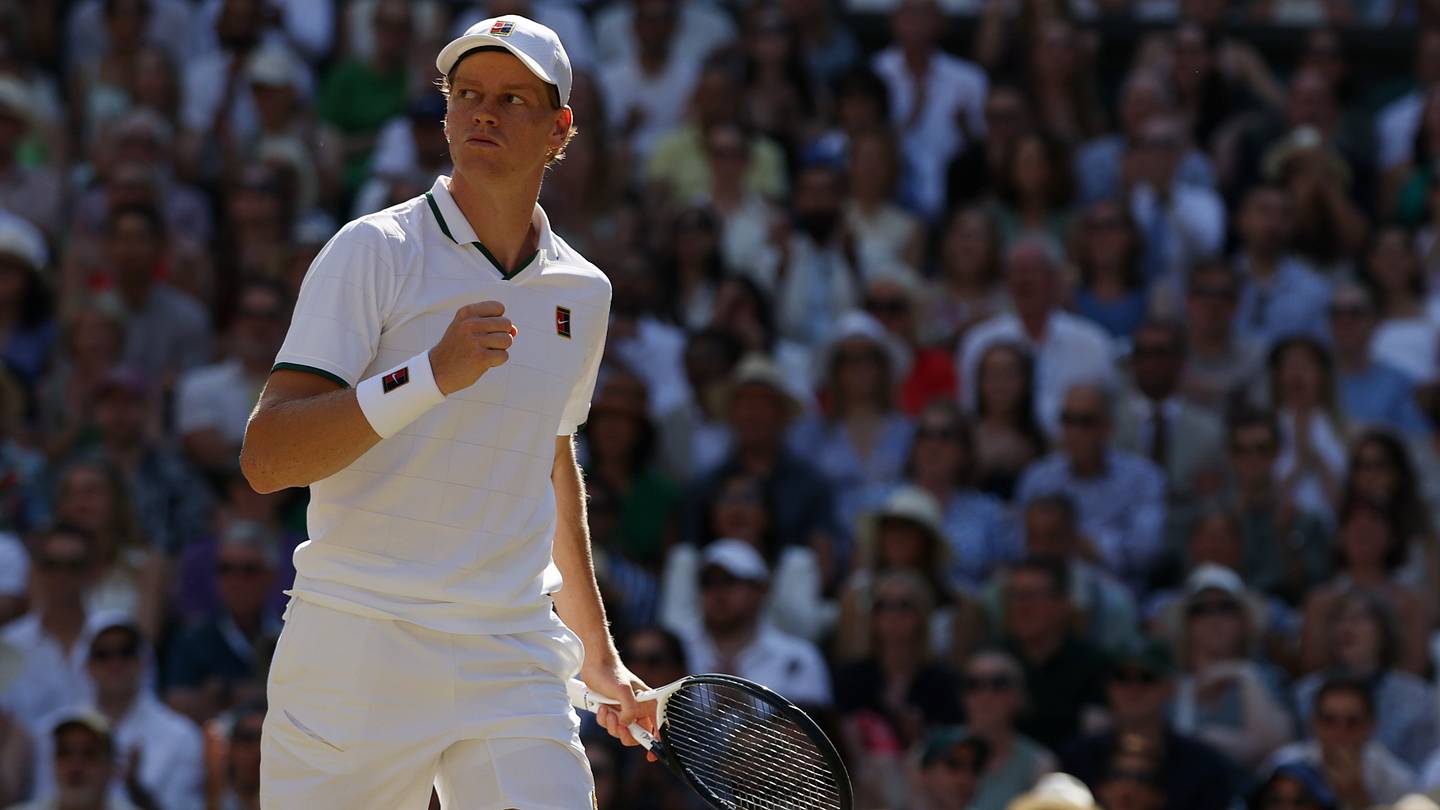
Tennis lives on timing. The toss. The split step. The break point that flips a whole night. This week, the timing belonged to Jannik Sinner. Bleacher Report highlighted that Sinner is set to return at the rescheduled Six Kings Slam in December, instantly giving the sport a late-season pulse check after weeks of uncertainty around his absence. One announcement. Whole conversation changes.
The modern tennis calendar never really sleeps anymore. Exhibition events once floated outside the main current of the sport; now they carry real gravity because the biggest names turn them into global spotlights. Sinner’s return does exactly that. The Six Kings Slam was already positioned as a showcase. Now it has tension again. Fans are not just buying a ticket to see clean baseline hitting and polished entrances. They are watching for rhythm, movement, sharpness, competitive edge. In tennis, every comeback gets dissected through tiny details. How the forehand lands crosscourt. How the legs react in long exchanges. How the serve holds up deep into sets.
And Sinner is not the kind of player who drifts quietly back into the frame.
His game demands attention because it is built on pressure. Relentless depth. Early ball striking. The kind of pace that rushes opponents before points even fully develop. A return appearance in December suddenly turns the event into more than a glossy offseason exhibition. It becomes a live read on where one of the sport’s defining players stands heading into the next cycle.
That is the hook here. Not nostalgia. Not ceremony. Competitive curiosity.
Bleacher Report noted the event had been rescheduled, which only adds another layer of intrigue around the atmosphere surrounding the tournament. Rescheduled events can lose momentum fast in a crowded sports landscape. Tennis fans move quickly from one surface to another, one city to another, one rivalry to another. But attach Sinner’s name to the headline and the energy snaps right back. The sport understands star gravity better than almost any other league structure in the world. Individual players are the ecosystem. One return can reshape the feel of an entire week.
The interesting part now is the expectation curve. Tennis audiences rarely grade returning stars softly. They expect clean timing almost immediately, especially from elite players whose games rely on precision more than improvisation. Every rally becomes a referendum. Every service game gets overanalyzed. If Sinner looks sharp early, the noise around him will accelerate in a hurry. If there is rust, every missed backhand suddenly becomes discussion fuel. That is the deal at the top of this sport. The spotlight does not warm up gradually.
December also matters because tennis increasingly stretches beyond the old definitions of “season” and “offseason.” Big events in nontraditional windows now carry their own prestige and commercial pull, especially when premier players commit. The Six Kings Slam landing Sinner after the reschedule gives organizers exactly what they needed: relevance, urgency, and a reason for the wider tennis world to lock back in during a period that used to belong mostly to recovery blocks and training footage.
Short version? The return date matters because elite tennis is driven by presence as much as trophies. A healthy, active Sinner changes conversations immediately. Tournament buzz changes. Broadcast attention changes. Fan energy changes. The sport moves differently when its biggest attractions are back on court.
And make no mistake, the margins in tennis are brutally thin. A few weeks away can alter timing. A few sharp sessions can restore it. That uncertainty is part of what makes returns compelling in this sport compared to almost anywhere else. Tennis exposes every detail in full view. There are no teammates to absorb a rough stretch. No hiding place when rhythm disappears for a few games. The court tells the truth quickly.
Looking Ahead: All eyes now shift toward December and what version of Jannik Sinner walks into the Six Kings Slam after the reschedule. In tennis, anticipation is its own kind of pressure. This one already feels loud before a single ball has been struck.