
 Boxing
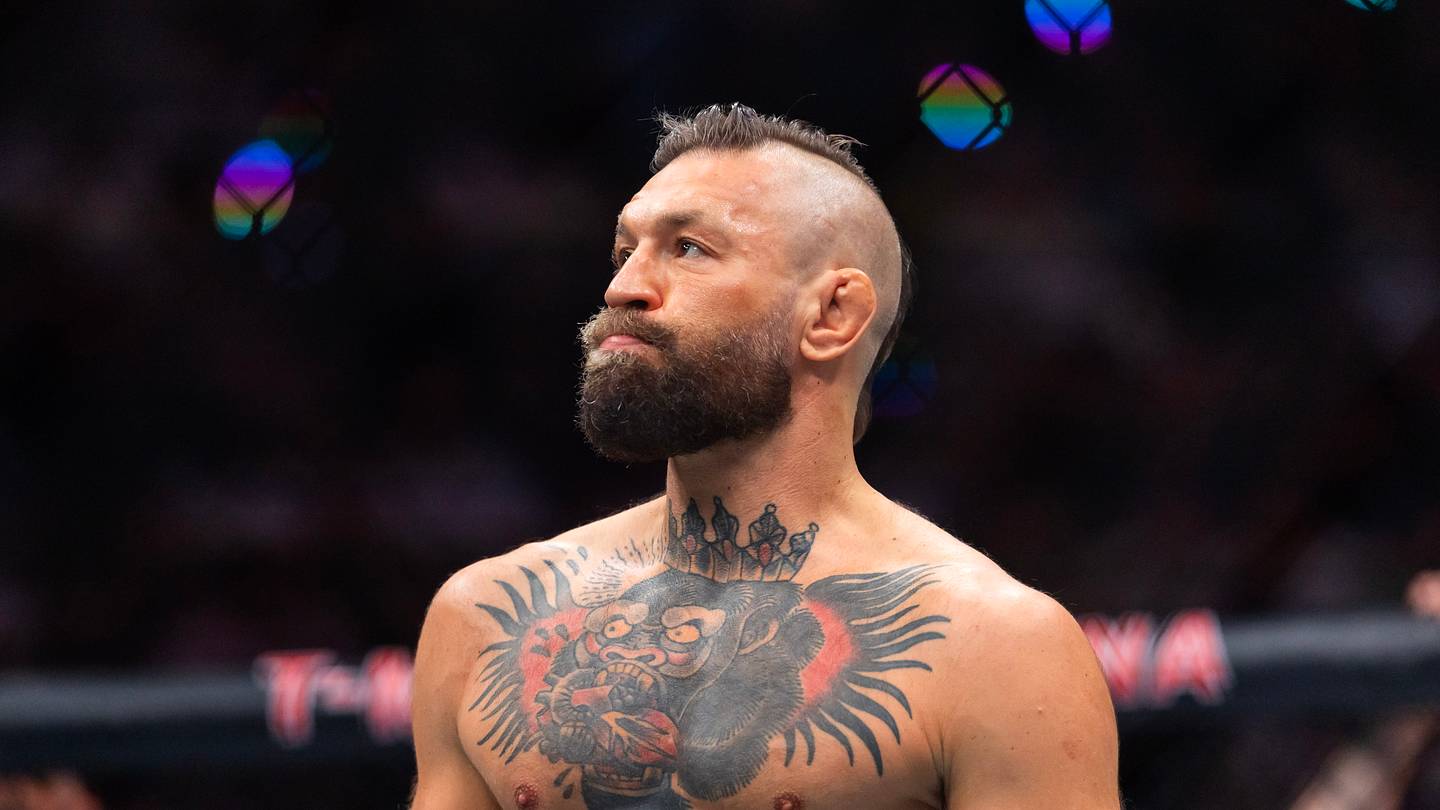
Boxing never sleeps. It just changes weight classes. This week, the sport’s loudest conversation did not come from a sanctioned title fight or a late-round knockout. It came from the possibility of Conor Benn and Conor McGregor sharing a ring, a crossover concept Sports Illustrated explored as a potentially makeable mega-fight. In a sport built on risk, timing and spectacle, that idea landed like a flash knockdown.
The key word is “possible.” Not signed. Not announced. Not moving toward a confirmed date. But boxing has always understood one thing better than almost any sport on earth: attention is currency, and curiosity can carry a promotion halfway to the opening bell before contracts even hit the table.
Benn already knows how to live inside the glare. His name draws heat in Britain. His style helps. Aggressive pace. Forward pressure. The kind of fighter who understands that audiences pay for tension as much as technique. McGregor, meanwhile, remains one of combat sports’ biggest commercial magnets even without a recent boxing run. Mention his name near a boxing ring and the temperature changes immediately.
That is the gravity behind this week’s conversation. Not rankings. Not sanctioning bodies. Pure event energy.
And boxing has never pretended otherwise.
Sports Illustrated framed the matchup around scale and marketability, and that part is impossible to ignore. Benn carries legitimate boxing visibility. McGregor carries crossover reach that stretches far beyond hardcores and gym rats. Put those names on a poster and suddenly the sport enters a different lane entirely, one driven by pay-per-view math, social media traction and mainstream curiosity.
This is where boxing separates itself from cleaner, more orderly sports ecosystems. The sport has always had room for theater alongside competition. Sometimes that balance works beautifully. Sometimes it detonates in public. Either way, people watch.
A Benn-McGregor build would likely become less about belts and more about collision. Two combustible personalities. Two fan bases that thrive on confrontation. The prefight weeks alone could dominate combat sports coverage if momentum ever becomes real.
The matchup also says something revealing about the current state of boxing economics. Traditional title paths still matter deeply inside the sport, but massive event fights now operate on a parallel track. Star power can bend the calendar. One viral clip can push a hypothetical bout into serious business discussions almost overnight.
That pressure cuts both ways.
For Benn, a crossover event of this size could elevate his global profile beyond the usual boxing audience. It could also invite criticism from purists who want elite contenders chasing divisional milestones instead of celebrity-driven spectacles. Fighters walk that tightrope constantly now. Legacy on one side. Revenue on the other. The modern game demands both.
For McGregor, the intrigue comes from unfinished boxing business. His previous venture into the sport remains one of the most commercially successful combat events ever staged. That history still hangs over every boxing rumor connected to his name. Even years later, promoters understand the upside immediately.
The sport does not ignore a money bell that loud.
Still, this conversation remains rooted in possibility, not certainty. Sports Illustrated focused on whether the fight is realistically makeable, and that distinction matters. Boxing rumors move fast. Negotiations move slower. Weight, rules, promotional alignment and timing can turn a viral concept into a stalled negotiation in a hurry.
Yet the reaction this week revealed something bigger than one hypothetical matchup. Boxing is still elite at manufacturing anticipation before a single punch lands. Few sports can turn a speculative pairing into a full-week debate cycle this efficiently. Fans immediately started arguing over styles, legitimacy, danger and drawing power. That means the hook worked.
And beneath the noise sits a familiar question: what does the audience want boxing to be in 2026?
A pure meritocracy? A spectacle business? Ideally both. The healthiest versions of the sport usually find a way to merge elite competition with outsized personality. That balancing act has defined boxing for generations, from old-school promotional wars to today’s digital-age fight economy.
Benn versus McGregor would not be subtle. It would not be quiet. It would not need to be.
It would sell emotion first and punches second.
That does not automatically make it hollow. Big-event boxing has always depended on emotional investment. Rivalries. Ego. National pride. Chaos. Fans buy fights that feel alive before fight night arrives. A matchup like this checks every promotional box before anyone even starts talking undercards.
Looking Ahead: The next phase is simple. Watch for movement, not noise. If conversations around Benn and McGregor begin shifting from theory to logistics, boxing’s calendar could suddenly gain its biggest commercial wildcard. Until then, the rumor itself remains the headline — and in this sport, that can be enough to own an entire week.
If you missed it, you’re behind.