
 Tennis
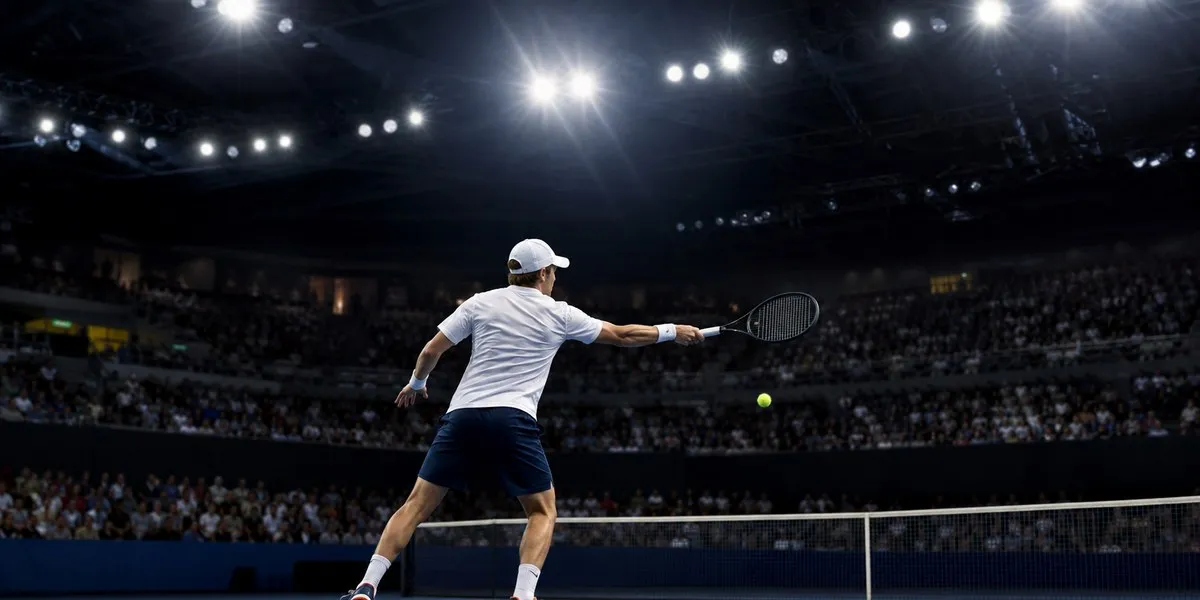
October tennis always carries a different kind of tension. The rallies stretch a little longer. The margins tighten. Legs get heavy. Minds have to stay sharp anyway. In Basel, Novak Djokovic walked straight into that atmosphere and survived it.
The headline result of the week came from BBC Sport coverage in Basel, where Djokovic battled past Ugo Humbert 4-6, 6-3, 6-4. Not a cruise. Not one of those clinical straight-set nights where the scoreboard barely blinks. This one required adjustment, patience and a little old-school problem solving from one of the sport’s great tacticians.
Humbert landed first. The lefty rhythm disrupted Djokovic early and forced the match onto uncomfortable patterns. Basel indoor conditions can reward clean first strikes, and Humbert pushed that edge in the opening set. Djokovic responded the way elite champions usually do late in the season: by shrinking the chaos point by point. Better depth. Cleaner returning windows. More control over the center of the court.
Then the match tilted.
A single break can feel massive indoors. Every service game becomes a small pressure chamber. Djokovic steadied his delivery in the second set and started reading Humbert’s patterns earlier off the toss. Suddenly rallies that belonged to Humbert in the first set were ending on Djokovic’s terms.
That’s the detail that still separates him from almost everyone on tour.
The BBC Sport report also noted the victory marked Djokovic’s 20th tour-level win of the year. On paper, that number may not scream dominance by his own impossible standards. In context, though, it says something else. He is still stacking wins deep into the calendar while navigating the wear that comes with years at the top of the sport.
And tennis right now does not hand out easy nights to anyone. Not indoors. Not against an opponent like Humbert, whose shot-making can turn a match into a sprint without warning.
This version of Djokovic looked more pragmatic than explosive. That matters in October. The season does not always belong to the biggest hitter by this stage. It belongs to the player who can absorb turbulence without donating games mentally. Basel became another reminder that Djokovic remains one of the sport’s best problem-solvers when a match drifts sideways.
Three sets. Two hours of adjustments. Zero panic.
The scoreline also reflected the current state of the ATP race late in the year. Veterans are protecting status. Younger contenders are hunting statement wins. Every indoor event starts carrying playoff-style tension because momentum can flip quickly before the season closes.
Djokovic still commands that aura where opponents know they must sustain elite tennis for multiple sets just to stay level. Humbert managed it early. Keeping it there for an entire match proved harder. The Serbian veteran slowly narrowed the court, reduced the free looks and turned the physical exchanges into controlled attrition.
That is championship tennis indoors. Not flashy every second. Ruthless in the right moments.
The interesting part now is what this stretch says about Djokovic’s form heading deeper into the indoor calendar. A comeback win in Basel does not rewrite the entire season, but it sharpens the signal. The movement looked steadier as the match progressed. The competitive edge stayed intact after dropping the first set. Most importantly, he trusted his patterns under pressure instead of forcing low-percentage shotmaking.
Elite players often reveal their level in the ugly portions of matches, not the highlights package.
Djokovic passed that test this week.
There is also a psychological layer to these indoor wins that resonates across the locker room. Opponents can start fast against him. They can even control stretches. But if the match drifts into a deciding set, the pressure often changes sides. Basel followed that familiar script. Humbert had opportunities early, yet Djokovic gradually imposed order.
That slow squeeze remains one of the most difficult dynamics in men’s tennis. A lot of players can hit through an opponent for a set. Doing it for three against Djokovic still feels like solving advanced calculus with a stopwatch running.
Looking Ahead: Basel now becomes another checkpoint in Djokovic’s late-season push as the indoor swing tightens across Europe. The matches get faster. The pressure gets heavier. One comeback win can become a launch point if the rhythm holds. For now, Djokovic leaves Basel with another hard-earned reminder to the field: even in October, he is still standing in the middle of the draw like a final boss nobody enjoys seeing. If you missed it, you’re behind.