
 NHL
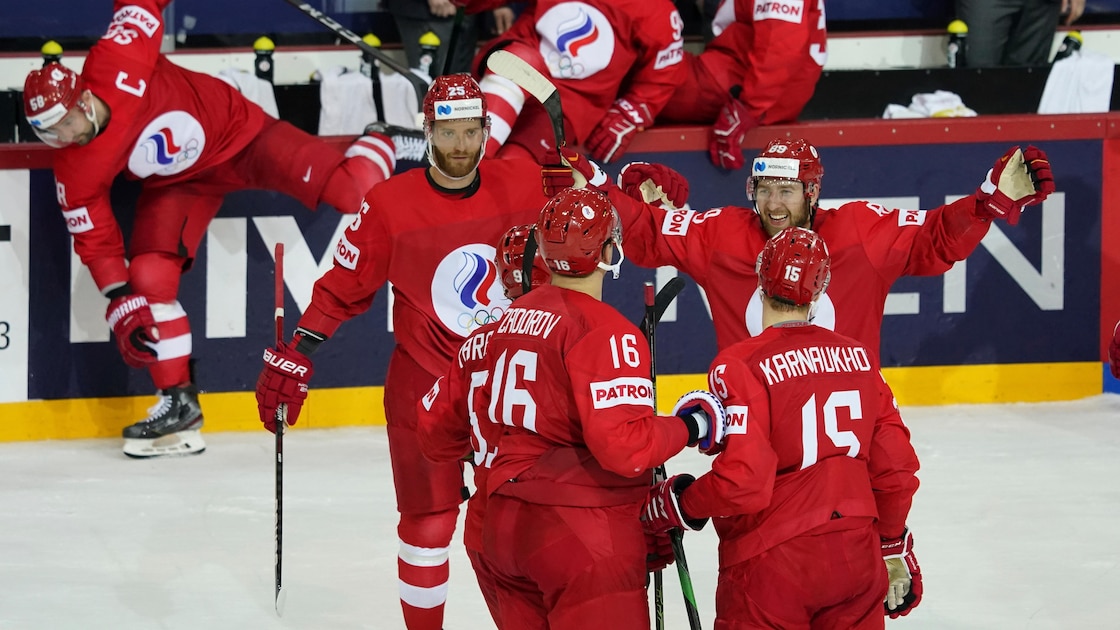
The hockey world got a ruling with real weight on October 30. The Court of Arbitration for Sport decided Russia must be allowed to return to the Ice Hockey World Championships, ending one of the sport’s biggest international standoffs. Bleacher Report and Fox Sports both detailed the decision, which cuts directly into years of IIHF exclusion tied to geopolitical fallout and international sanctions.
This was not a rumor-cycle story or a soft reopening discussion. CAS ruled Russian teams must be permitted to participate again in world championship competition. That instantly changes tournament planning, qualification pathways, roster projections and the political climate around international hockey heading into the next championship calendar. The IIHF now moves from gatekeeper to organizer under a legal directive.
The timing matters almost as much as the ruling itself. International hockey has spent the last several years operating without one of the sport’s deepest talent pipelines on the world stage. Russia’s absence altered medal races, reshaped group dynamics and softened several classic rivalry matchups that normally define the tournament atmosphere every spring. CAS just threw all of that back into motion.
And make no mistake, this lands far beyond federation offices and legal filings. NHL executives, players and national programs are all reading the same scoreboard here. Russian players have remained central figures across the NHL during the ban era, but the split between league stardom and international exclusion created a strange disconnect for the sport. Elite Russian talent dominated North American ice while the national program sat outside the championship picture. That wall now looks cracked open.
**The IIHF is about to face a pressure test it cannot sidestep anymore.** The legal ruling settles one lane. The political and competitive fallout is still arriving at full speed.
Countries that supported continued exclusion now have to decide how hard they push back against implementation. Federations that wanted Russia reinstated suddenly have momentum and legal cover. Fans who grew used to a reshaped international field now have to recalibrate what a true medal race looks like again. Hockey thrives on national identity and rivalry fuel. Sweden versus Finland matters. Canada versus the United States always carries edge. But a world championship with Russia back in the bracket immediately changes the emotional gravity of the event.
The competitive side is impossible to ignore. Russia has historically fielded elite scoring depth, high-end goaltending and tournament-tested stars. Their return raises the standard overnight. Programs that benefited from a thinner field lose breathing room immediately. A semifinal path that looked manageable a week ago suddenly gets heavier. Coaches know it. General managers know it. Every federation scouting department knows it.
**International hockey just regained one of its loudest engines, whether everyone was ready for it or not.**
There is also the larger optics battle sitting underneath the ice surface. Hockey has long tried to present itself as global while wrestling with the realities of politics intersecting with sport. CAS delivered a ruling rooted in participation rights, but public reaction will not stay confined to legal language. Expect fierce debate from fans, national federations and political leaders over what this return represents and how quickly it should be implemented.
For the NHL audience specifically, the story carries another layer of intrigue. International competition is back near the center of the sport’s conversation after years of uneven scheduling and fractured tournament structures. A reinstated Russia dramatically increases attention around future world events, possible best-on-best formats and television demand. Rivalries sell. Star power travels. Hockey knows that better than any boardroom statement ever could.
Now the IIHF has to operationalize the ruling and navigate the backlash that comes with it. The decision landed October 30. The reactions are only getting started. The next championship cycle suddenly looks a lot more crowded — and a lot more combustible.