
 F1
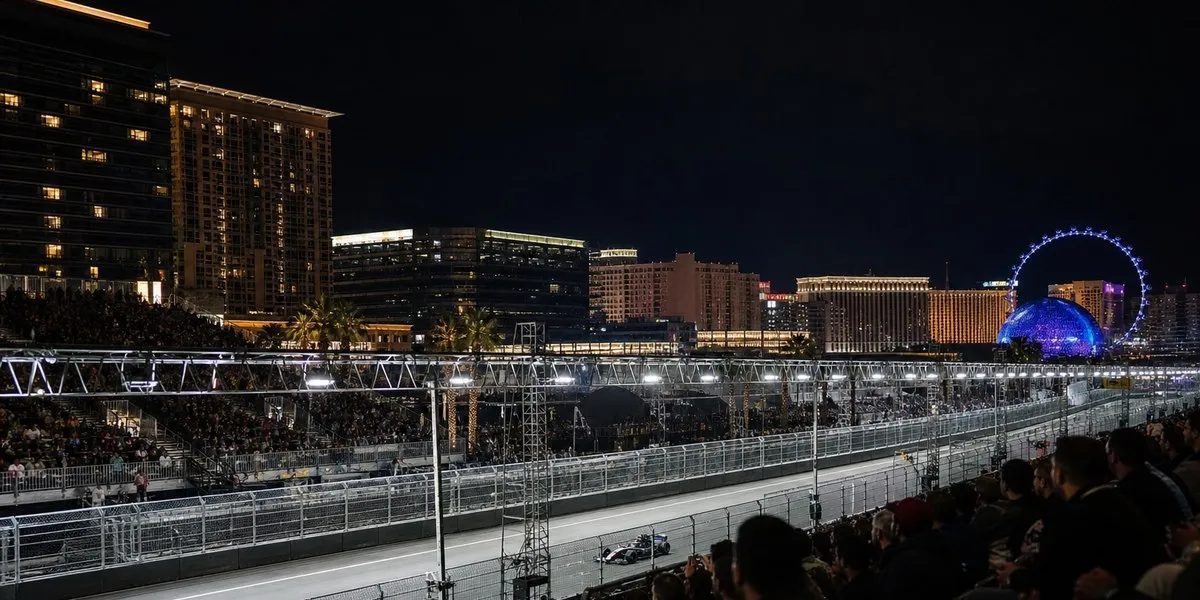
Haas is rolling the dice again in Las Vegas, and this one comes with real intrigue. BBC Sport, via ua.news, reported that Brazilian driver Rafael Camara will replace Esteban Ocon for the Las Vegas Grand Prix. It marks Camara’s second appearance for Haas, and the timing matters. Vegas is not a soft landing spot. It is fast, cold, chaotic under the lights, and brutally exposed when drivers miss the mark. Haas still handed the seat to a young driver getting another crack at the Formula 1 stage.
The move instantly becomes one of the sharpest storylines heading into the race weekend because Haas is choosing experimentation over stability at one of the calendar’s most unforgiving circuits. Ocon stepping aside for the event puts all eyes on Camara’s adaptability and composure. One clean weekend changes perception fast in Formula 1. One mistake in Las Vegas gets replayed for months.
Camara’s opportunity also arrives with pressure baked into every lap. Formula 1 reserve and junior drivers rarely get relaxed auditions anymore. Teams want instant data. They want pace. They want clean execution in traffic, under safety car restarts, through tire degradation swings, and in sessions where track evolution can flip the order within minutes. Haas already trusted Camara once. A second call-up signals the team sees enough upside to keep evaluating him in live conditions.
Vegas amplifies everything. The walls feel tighter at night. Brake confidence matters more. Drivers attack long straights before throwing the car into technical sections that punish hesitation. That is why this move stands out. Haas could have stayed conservative. Instead, the team opened the garage to a younger option with another chance to prove he belongs around the Formula 1 paddock.
**This is not a ceremonial seat fill. Haas is gathering real information in a real race environment.**
The Esteban Ocon angle naturally hangs over the weekend too, even with limited details surrounding the change. Ocon is an established Formula 1 presence, and replacing a proven veteran for a marquee event always creates noise inside the paddock. Teams do not make these decisions casually at this point of the season. Every practice lap carries value. Every qualifying run matters. Haas clearly believes the upside of seeing Camara again outweighs sticking with the known quantity for Las Vegas.
Camara now walks into one of the sport’s brightest spotlights. Las Vegas was designed to feel massive, and for young drivers it can either sharpen reputations or expose rough edges instantly. Formula 1 careers often turn on moments exactly like this: one weekend, one opportunity, one set of sessions where engineers and team principals quietly decide whether more doors should open.
**Haas just handed Camara a pressure test wrapped in neon.**
The other fascinating piece is rhythm. Drivers stepping into unfamiliar race weekends often struggle most with confidence buildup across sessions. Vegas leaves little margin to find comfort slowly. The circuit rewards commitment early. Camara’s challenge is not only speed but control — maximizing laps without overdriving a track that punishes impatience. That balance separates promising prospects from drivers teams genuinely trust.
There is also a broader Formula 1 reality sitting underneath this decision. Teams continue searching aggressively for future lineup answers, especially when younger talent can provide useful comparisons against established race drivers. Every substitute appearance becomes a data point. Every clean stint becomes evidence. Camara now gets another chance to build his case where everybody in the paddock can see it.
The Las Vegas Grand Prix weekend now carries an extra layer of curiosity for Haas. Camara returns. Ocon steps aside. And one of Formula 1’s loudest stages suddenly belongs to a driver with a fresh opportunity and almost no room to waste it.