
 MLB
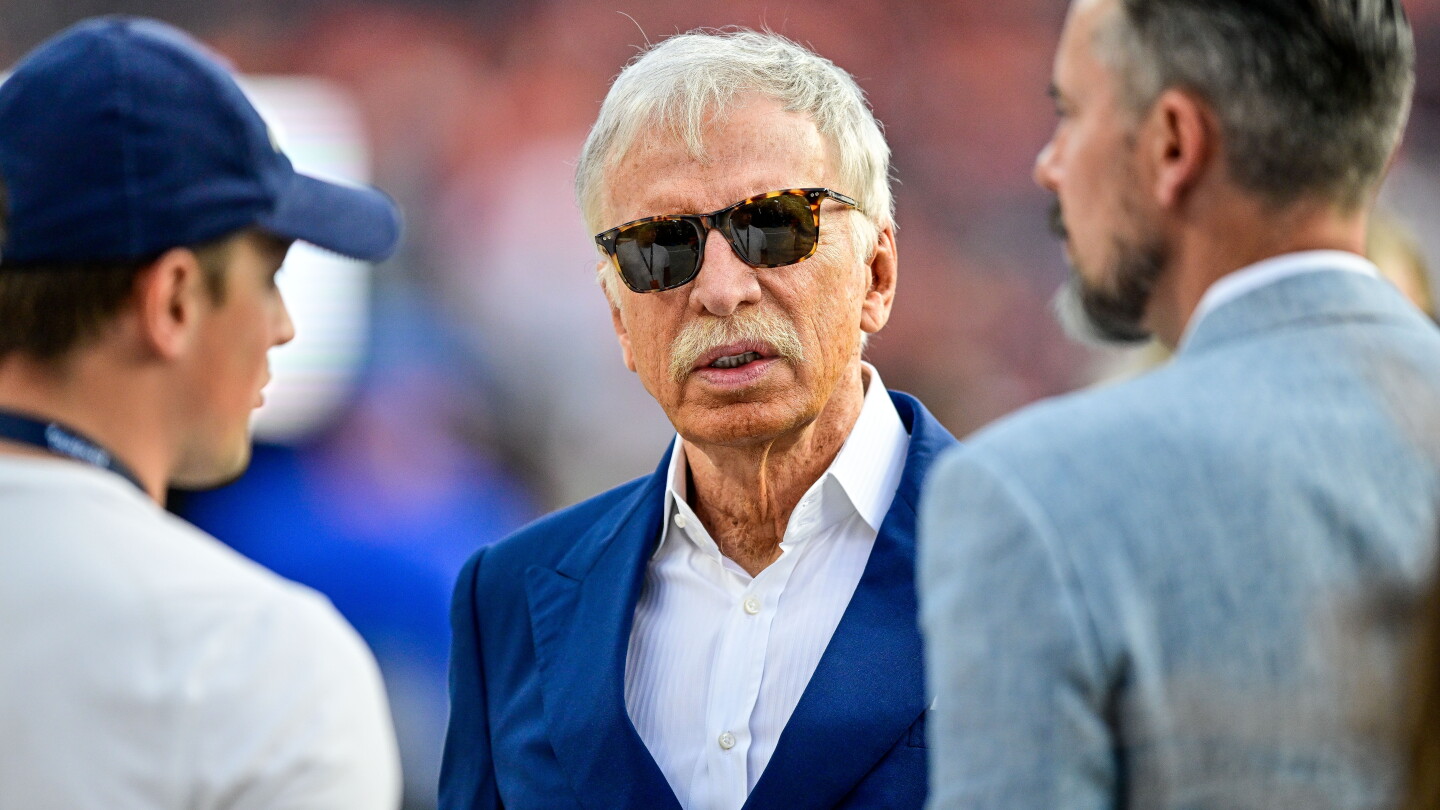
Major League Baseball expects the reported $4 billion sale of the Los Angeles Angels to Stan Kroenke to close in January. NBC Sports and Fox Sports both cited comments from commissioner Rob Manfred this week, placing a timeline on one of the sport’s biggest ownership moves in years.
The number jumps off the page first: $4 billion. That is franchise-altering money even in a sport where valuations keep climbing. Manfred’s public expectation of a January close signals the league believes the process is moving through the final stretch rather than drifting in approval limbo. No additional transaction details were outlined in the reports, but the timing matters.
NBC Sports noted Manfred’s expectation directly, while Fox Sports echoed the same January target tied to the Kroenke purchase. The reports did not indicate any roadblocks or revised valuation figures. At this stage, the headline is simple and enormous: MLB is preparing for the Angels to change hands at a reported $4 billion price.
That puts the Angels at the center of the league’s financial conversation overnight. Ownership changes always ripple through baseball, but this one lands differently because of the market size, the franchise profile, and the scale of the purchase. The Angels have spent years hovering between relevance and frustration. A transition this expensive raises expectations immediately, whether executives want to admit it publicly or not.
**A $4 billion handshake is not a quiet reset. It is a declaration that the Angels are expected to operate like a heavyweight.**
Kroenke’s sports portfolio already carries global reach, and MLB owners know exactly what comes with that level of infrastructure and capital. Even without new baseball-specific promises attached yet, the perception around the franchise changes the moment the sale closes. Rivals notice it. Agents notice it. Fans definitely notice it.
There is also league-wide significance here. Franchise valuations continue climbing at a pace that keeps redefining ownership economics across MLB. A sale at this figure becomes another benchmark point for future transactions and expansion chatter. Clubs watching regional media uncertainty and attendance swings still see buyers willing to spend at the very top of the market for marquee brands.
**The Angels suddenly look less like a stalled operation and more like a franchise about to be reintroduced to the sport.**
For now, the calendar is the story. Manfred expects January. That gives baseball roughly two months before one of its most recognizable clubs potentially enters a new era with spring training around the corner. The next concrete step is the anticipated completion of the sale in January, as outlined by Manfred this week.